As temperatures soar across the continent, from London to Madrid, climate scientists are delivering a stark verdict: the extreme heatwave currently gripping Europe would have been virtually impossible half a century ago without the influence of human-caused climate change. The warning comes as multiple countries report record-breaking temperatures, with thermometers hitting nearly 39°C in parts of Spain and the UK breaking its June temperature record.
“Climate change is running rampant,” said a spokesperson for the World Weather Attribution network, a coalition of researchers that rapidly analyzes extreme weather events. “Continued fossil-fuel emissions are directly responsible for the disruption people are experiencing this week.” The group’s analysis, released on Tuesday, found that the heatwave was made at least 100 times more likely by climate change, and that without it, such an event would occur only once in several hundred years.
Human Cost and Infrastructure Strain
The human toll is already evident. In southern France, a toddler died after being left in an unlocked car as temperatures soared. In Paris, residents have been fleeing sweltering attic apartments—many with iconic zinc roofs that turn living spaces into ovens—to sleep in parks and public gardens. The city’s tourist sites have also been affected: the Eiffel Tower was forced to close temporarily, disrupting tourism at one of Europe’s most visited landmarks.
Beyond the immediate health risks, the heatwave is straining critical infrastructure. France has been forced to cut nuclear output as record temperatures stress river ecosystems, reducing the availability of cooling water for power plants. The country’s nuclear fleet, which supplies about 70% of its electricity, is particularly vulnerable to low river levels and high water temperatures.
Uneven Economic Impact
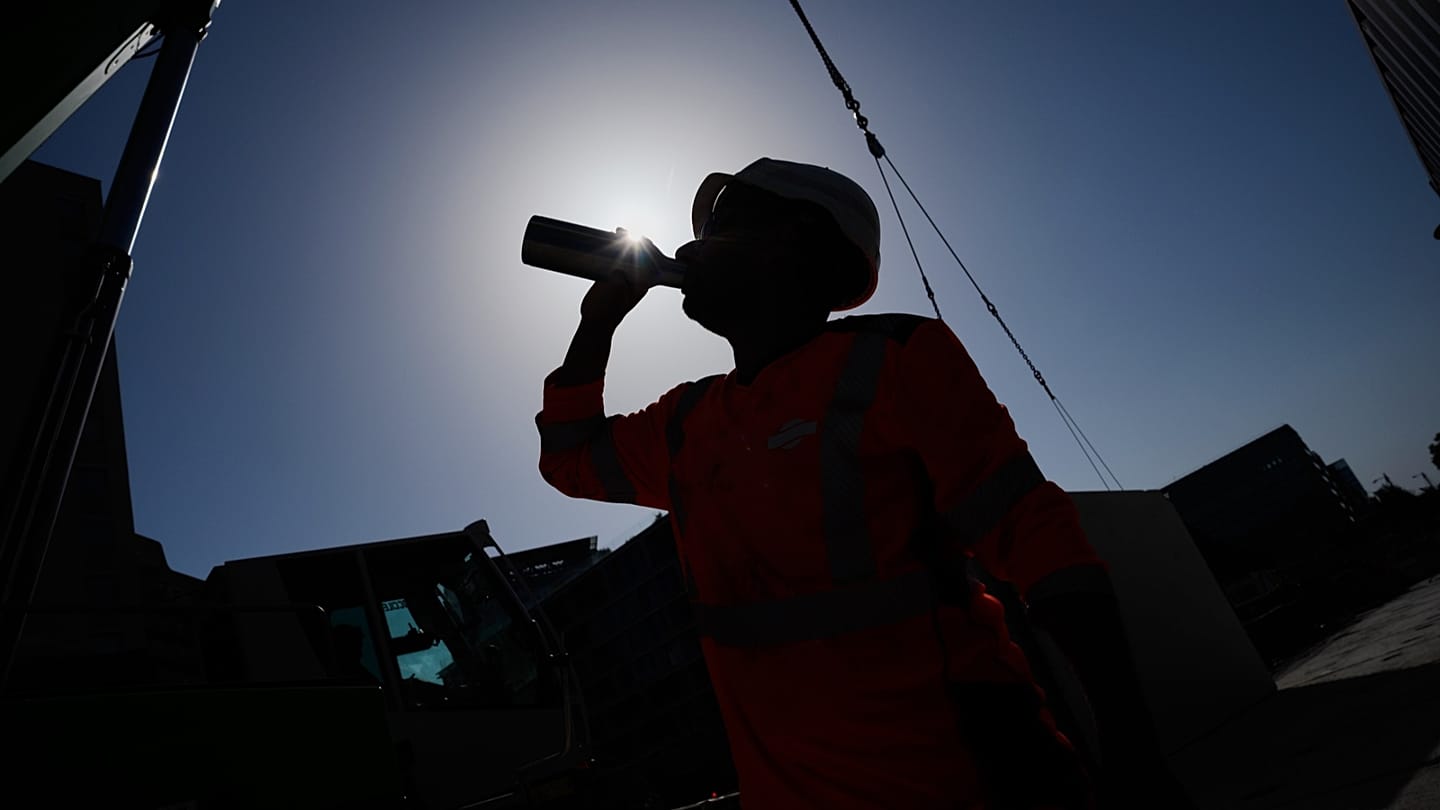
The economic consequences are hitting the most vulnerable hardest. A recent analysis highlighted that heatwave costs hit working mothers, farm labourers, and low-income households hardest across Europe. Outdoor workers, particularly in agriculture and construction, face reduced productivity and health risks, while low-income families often lack access to air conditioning or green spaces. Working mothers, already juggling childcare and employment, face additional burdens as schools and daycare centers close or operate at reduced capacity.
In Spain, which recorded its hottest June days on record, the agricultural sector is bracing for crop losses. Olive groves in Andalusia and vineyards in La Rioja are suffering from heat stress, threatening yields of some of Europe’s most iconic products. The heatwave is also exacerbating drought conditions across southern Europe, with reservoirs in Italy and Portugal at critically low levels.
A Continent on the Front Line
Europe is warming faster than the global average, according to the European Environment Agency. The continent’s average temperature has risen by about 2°C since pre-industrial times, compared to the global average of 1.1°C. This makes European heatwaves particularly intense and frequent. The current event follows a pattern of increasingly severe summer heat, including the deadly 2003 heatwave that killed an estimated 70,000 people across the continent.
“What we are seeing is not a freak event but a systematic shift,” said Dr. Friederike Otto, a climate scientist at Imperial College London and co-leader of the World Weather Attribution network. “As long as we continue to burn fossil fuels, these heatwaves will become more common, more intense, and longer-lasting.”
The findings underscore the urgency of reducing emissions, a challenge that remains politically fraught across the EU. While the bloc has committed to cutting greenhouse gas emissions by 55% by 2030, member states are struggling to implement the necessary policies. The heatwave has reignited debates in Berlin and Paris about the pace of the energy transition, with some politicians calling for faster deployment of renewables and others warning of economic disruption.
For now, millions of Europeans are simply trying to cope. In Paris, the city has opened cooling centers and extended park hours. In Madrid, residents are advised to stay indoors during the hottest part of the day. But as the climate continues to change, such measures may no longer be enough. The scientists’ message is clear: the heatwave of 2023 is a glimpse of a future that is already here, and only rapid decarbonization can prevent it from becoming the new normal.