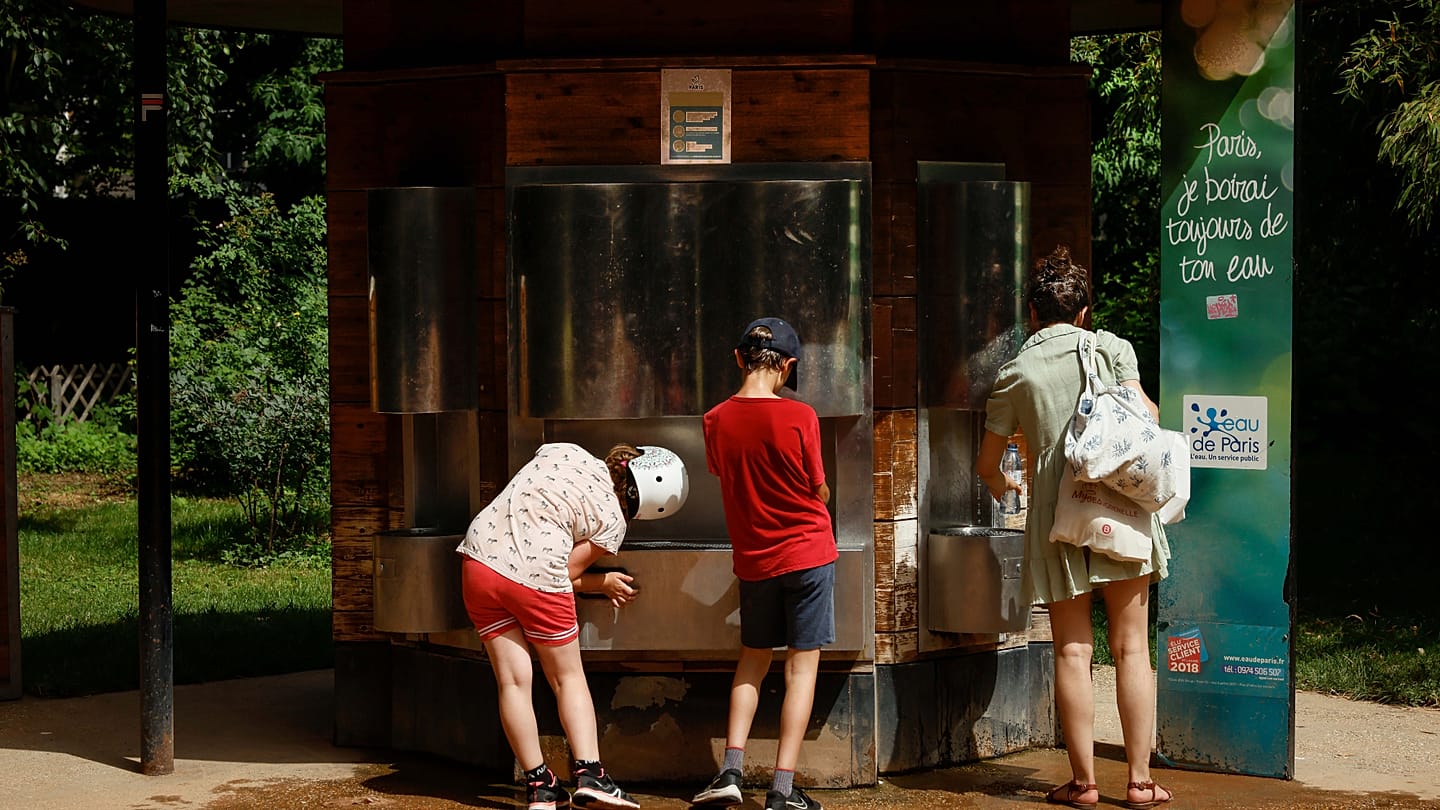
As Europe swelters under another intense heatwave, the human toll extends far beyond the immediate health risks. A new analysis reveals that the economic burden of extreme heat is falling disproportionately on specific groups: working mothers, agricultural labourers, and households struggling to pay their bills. The findings underscore a growing inequality in how climate change impacts daily life across the continent.
Working Mothers: The Double Burden
For working mothers, the heatwave compounds existing pressures. With schools and childcare facilities often closing or reducing hours during extreme heat, many women are forced to take unpaid leave or reduce their working hours. In cities like Paris, where the Eiffel Tower closure disrupted tourism and local businesses, the knock-on effect on families has been severe. The lack of affordable cooling options at home further strains budgets, as electricity bills spike from running fans and air conditioners.
Agricultural Labourers: On the Frontline
Agricultural workers, many of whom are migrants from southern Europe or North Africa, face the most direct physical risks. In Spain, where June temperatures broke records, farm labourers in Andalusia and Murcia continue to work under a blazing sun, often without adequate shade or hydration. The result is a spike in heat-related illnesses, lost wages, and in some cases, fatalities. The economic cost is borne not just by individuals but by entire regions dependent on agriculture, from the Po Valley in Italy to the Peloponnese in Greece.
Bill Payers: The Hidden Cost of Cooling
For low-income households across Europe, the heatwave translates into a stark choice: stay cool or pay the rent. Energy prices, already elevated due to the war in Ukraine and inflation, have surged further as demand for cooling rises. In Belgium, where health alerts have been issued, families in Brussels and Antwerp report cutting back on food to afford electricity. The situation is particularly acute in poorly insulated housing stock, common in older European cities like Lisbon and Warsaw.
The European Commission has acknowledged the problem, but critics argue that current policies are insufficient. The proposed tax overhaul aimed at reducing compliance costs for businesses does little to address the immediate needs of vulnerable households. Meanwhile, national governments have been slow to implement targeted subsidies for cooling or to mandate heat-safe working conditions.
A Continent-Wide Challenge
The heatwave is not just a southern European problem. The UK broke its June temperature record, and even Nordic countries like Sweden and Finland have experienced unusually high temperatures. In France, power cuts in Finistère and wildfire alerts across the south highlight the strain on infrastructure. The WHO has urged European leaders to act, warning that heatwave deaths are mounting and will only increase without systemic change.
Some cities are innovating. Paris's Ciné-clim initiative offers cool refuge in cinemas, while Barcelona has opened public pools free of charge. But these measures, while welcome, are stopgaps. The underlying economic disparities remain unaddressed.
As Europe faces more frequent and intense heatwaves, the question is no longer just about survival—it is about fairness. The costs of a warming climate are not shared equally. Working mothers, agricultural labourers, and bill payers are bearing the brunt, and without targeted policy interventions, the gap will only widen.