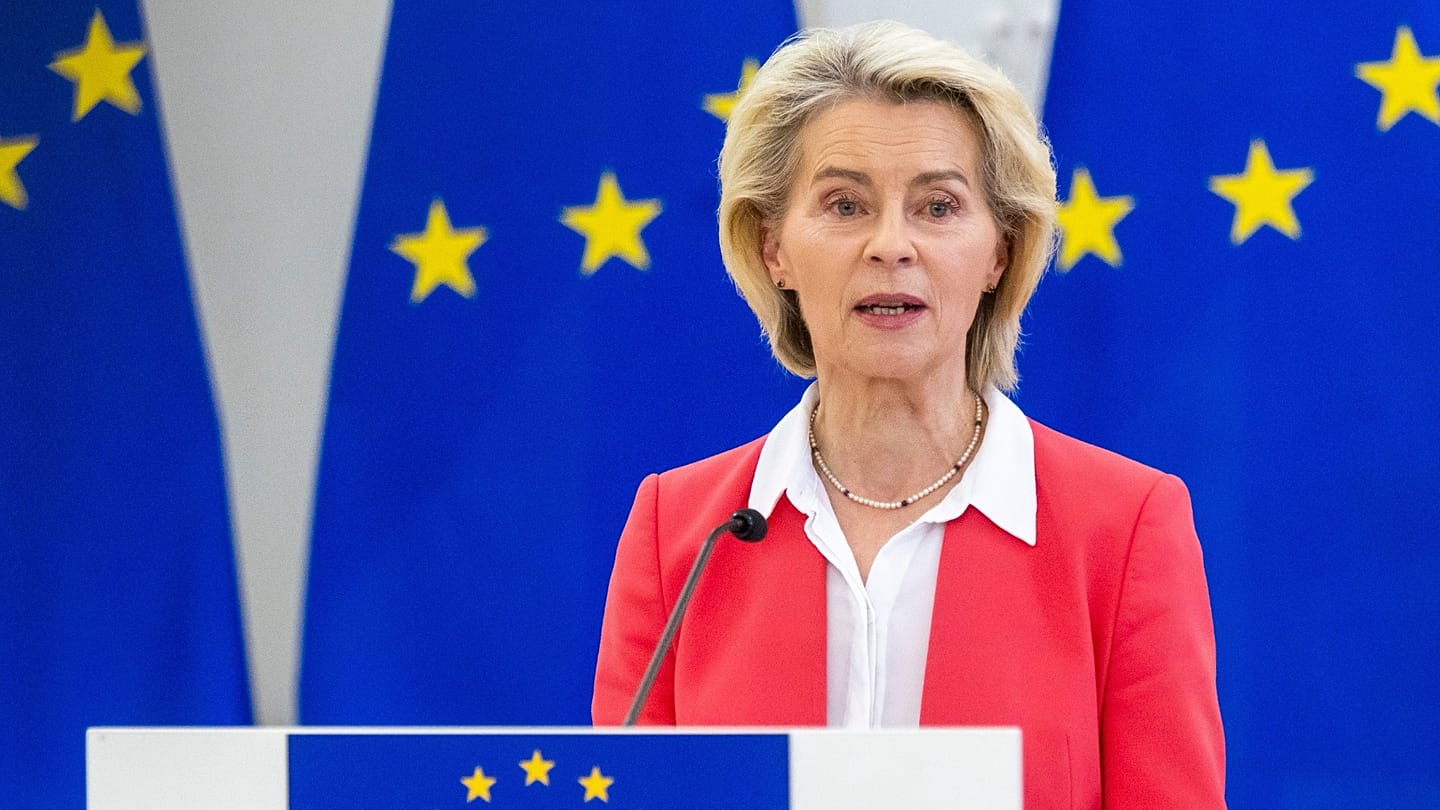
The European Commission has put forward a sweeping tax reform proposal that promises to reduce compliance costs for businesses operating across the European Union by an estimated €8 billion annually. The initiative, unveiled in Brussels, aims to streamline tax rules and simplify cross-border financial transactions, addressing long-standing grievances from companies about the complexity of navigating 27 different national tax systems.
Simplifying the Single Market
At the heart of the proposal is a push to harmonise reporting requirements and eliminate redundant paperwork. Currently, multinational firms must file separate tax returns in each member state where they operate, a process that costs billions in legal and accounting fees. The new framework would introduce a common set of rules for calculating taxable income, reducing the need for multiple filings. This aligns with broader efforts to deepen the single market, as seen in the EU's planned banking reform by early 2027 to unlock €1.4 trillion in annual investment.
Cross-border payments, a particular headache for small and medium-sized enterprises (SMEs), would also become cheaper and faster under the plan. The Commission estimates that businesses currently lose up to €1.5 billion each year due to currency conversion fees and delayed settlements. By standardising payment protocols and reducing transaction costs, the reform could give a significant boost to intra-EU trade, which accounts for roughly 60% of member states' exports.
Political Hurdles Ahead
Despite the economic logic, the proposal faces a tough road in the Council of the EU, where tax matters require unanimous approval. Several member states, including Ireland and Luxembourg, have historically resisted harmonisation efforts that could erode their competitive tax regimes. The Commission has attempted to sweeten the deal by allowing opt-outs for certain provisions, but negotiations are expected to be protracted.
“This is not about imposing a one-size-fits-all solution,” said a senior Commission official during a press conference in Brussels. “It’s about giving businesses the predictability they need to invest and grow across Europe.” The official emphasised that the reform would not raise overall tax revenues but rather shift the burden from compliance to productive investment.
The proposal also includes measures to combat tax avoidance, such as stricter reporting on shell companies and enhanced data sharing between national tax authorities. This follows recent scandals like the Pandora Papers, which exposed how wealthy individuals and corporations exploit loopholes in the EU's fragmented tax landscape.
Impact on European Competitiveness
Economists have broadly welcomed the plan, noting that Europe’s tax complexity is a drag on its global competitiveness. A 2023 study by the European Central Bank found that compliance costs for SMEs are 30% higher in the EU than in the United States. By slashing these costs, the reform could free up capital for innovation and expansion, particularly in sectors like technology and green energy.
The timing is also critical, as the EU seeks to reduce its dependence on external suppliers for critical technologies. The survey showing European support for digital sovereignty underscores the public appetite for a more self-reliant economy, though cost concerns remain a barrier.
If approved, the tax overhaul would take effect in phases, with the first changes expected by 2027. The Commission has pledged to monitor implementation closely and adjust rules if unintended consequences arise. For now, the ball is in the court of member states, who must balance national interests against the collective benefit of a simpler, more efficient tax system.