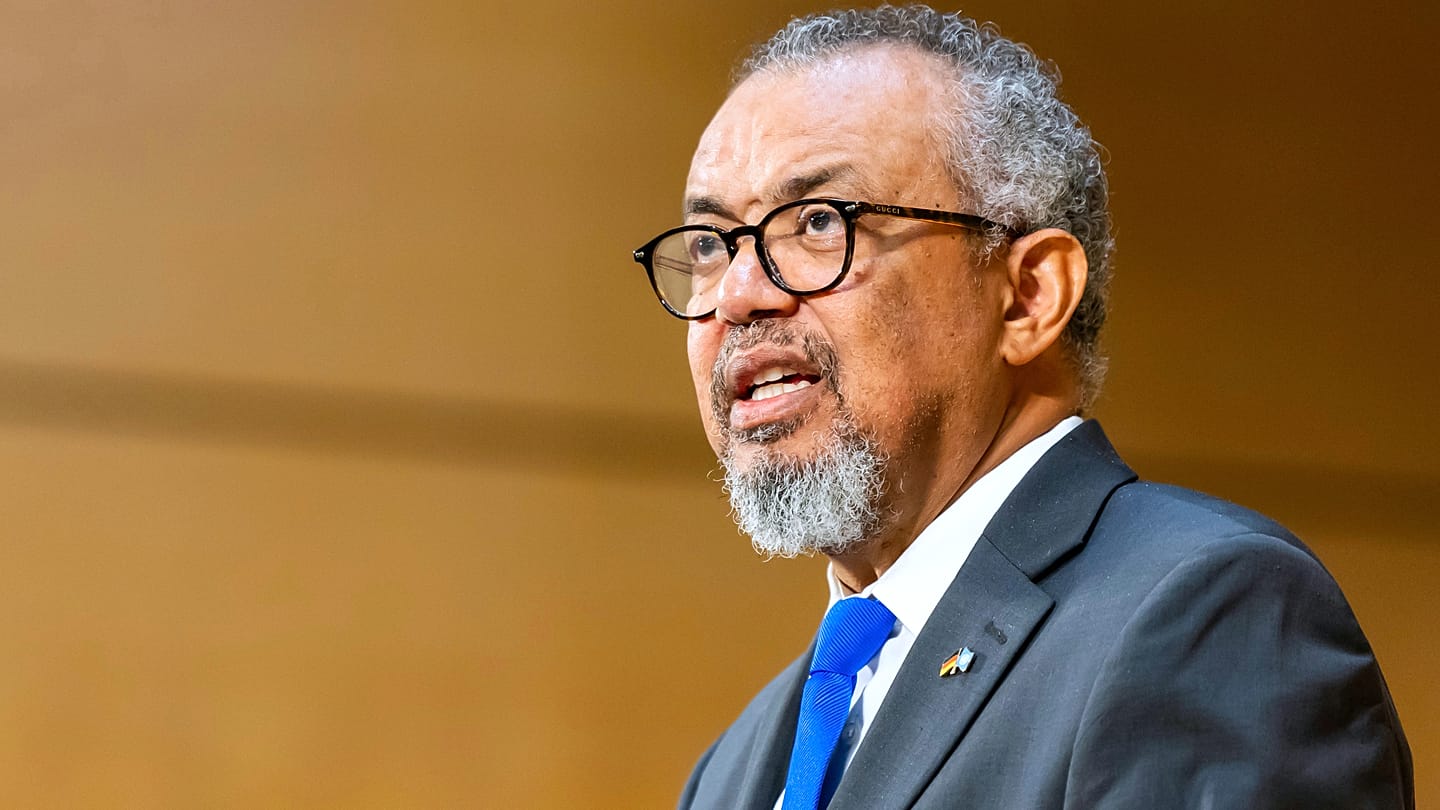
As a punishing heatwave tightens its grip across much of Europe, the World Health Organization’s director-general, Tedros Adhanom Ghebreyesus, has issued an urgent call for governments to accelerate investments in climate-adapted healthcare. Speaking from Geneva, Tedros stressed that the continent can no longer afford to postpone measures that protect vulnerable populations from extreme heat.
“No further delays,” Tedros said. “We urge leaders to prioritise investment in climate-resilient health systems. The evidence is clear: heatwaves are becoming more frequent, more intense, and more deadly.” His remarks come as temperatures in several European capitals surpass 40°C, straining emergency services and prompting public health warnings.
In Belgium, authorities have activated a national heat plan, with Brussels residents seeking relief in public fountains as the mercury climbs. Belgium issued a health alert earlier this week, advising the elderly and those with chronic conditions to stay indoors during peak hours. Similar measures are in place across France, where power cuts in Finistère and wildfire alerts in the south have compounded the crisis.
Climate Change, Not El Niño
Scientists have been quick to point out that this heatwave is not an isolated weather event but a direct consequence of human-driven climate change. A recent analysis by European climate researchers concluded that the heatwave is not El Niño’s fault; rather, it is the result of greenhouse gas emissions trapping heat in the atmosphere. The findings underscore the urgency of the WHO’s message: adaptation must go hand in hand with mitigation.
In Paris, the city has launched the Ciné-clim initiative, turning air-conditioned cinemas into cooling shelters for residents without access to relief. The programme is one of several local innovations aimed at reducing heat-related mortality. Yet Tedros warned that such ad-hoc measures are insufficient without systemic change. “Health systems must be designed to withstand the shocks of a warming planet,” he said.
The WHO chief’s appeal resonates particularly in southern Europe, where Italy, Spain, and Greece have recorded dozens of heat-related deaths this summer. In Spain, Prime Minister Pedro Sánchez faces a corruption scandal that has diverted attention from the climate emergency, even as EU defence chiefs meet in Berlin to discuss Ukraine. Critics argue that political distractions are delaying necessary public health investments.
Economic and Social Costs
The economic toll of the heatwave is also mounting. Labour productivity has dropped in sectors such as construction and agriculture, while energy grids are under pressure from surging demand for cooling. The IMF’s Kristalina Georgieva has previously urged EU member states to invest collectively in infrastructure that can withstand climate shocks, warning that fragmented national responses will prove costlier in the long run.
For now, European governments are scrambling to respond. In Berlin, the Bundestag is debating a new climate adaptation law that would mandate heat-action plans for all municipalities. In Rome, the health ministry has activated a hotline for heatstroke cases. Yet Tedros’s message is clear: piecemeal efforts will not suffice. “We have the tools and the knowledge,” he said. “What we lack is the political will to act at the scale required.”
As the heatwave shows no signs of abating, the WHO’s warning serves as a stark reminder that Europe’s health systems must evolve—or face a future of preventable deaths. The continent’s leaders, meeting in Brussels next week for a summit on climate resilience, will have the opportunity to translate Tedros’s words into binding commitments.