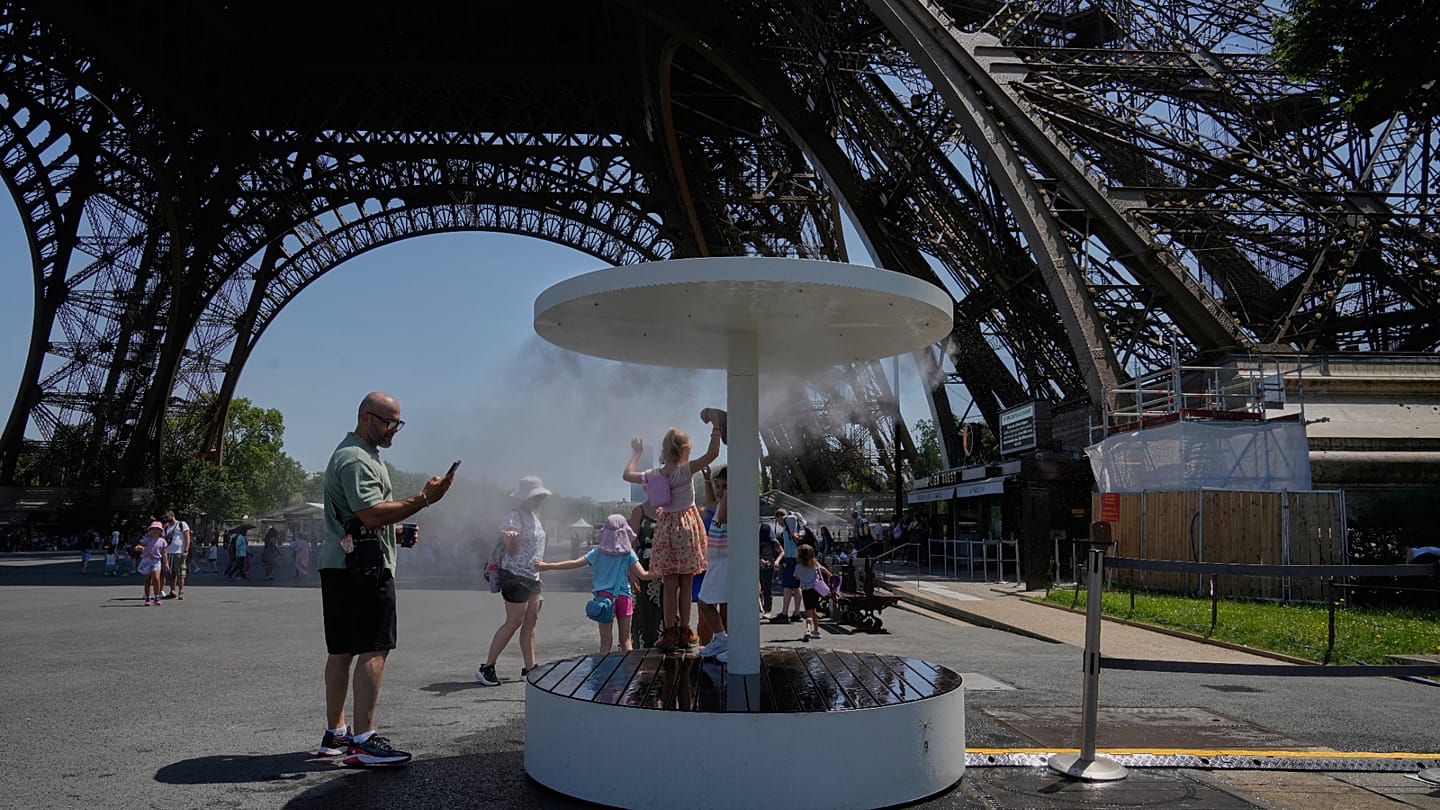
Paris, the City of Light, has dimmed some of its most iconic attractions as an intense heatwave forces early closures. The Eiffel Tower and the Louvre Museum, two of the world's most visited sites, have been shutting their doors ahead of schedule, leaving thousands of tourists scrambling for alternatives.
The decision came as temperatures in the French capital soared past 40°C, prompting authorities to prioritize visitor safety. The Eiffel Tower, which typically remains open until late evening, closed its upper levels by mid-afternoon on consecutive days. The Louvre, meanwhile, reduced its opening hours and advised visitors to seek refuge in its air-conditioned galleries.
Disappointment and Adaptation
For many travelers, the closures were a bitter pill. “We came all the way from Buenos Aires to see the Eiffel Tower at sunset,” said María González, a tourist waiting near the Trocadéro. “Now we’re just trying to find a café with air conditioning.” Similar scenes played out across the city, as visitors adjusted itineraries on the fly.
The heatwave, which has also affected other parts of Europe, is part of a broader pattern. The UK recently broke its June temperature record, and southern Europe has seen prolonged periods of extreme heat. In Spain, the hottest June days on record were logged, straining infrastructure and public health systems.
Parisian authorities have responded with emergency measures. The city has opened cooling centers in public parks and extended the hours of public pools. The Ciné-clim initiative, which turns air-conditioned cinemas into temporary shelters, has seen a surge in attendance. Yet for the tourism sector, the disruption is a stark reminder of vulnerability.
France’s tourism industry, a cornerstone of the national economy, relies heavily on summer visitors. The Eiffel Tower alone draws nearly 7 million people annually. Early closures, even for a few days, can ripple through the local economy, affecting hotels, restaurants, and transport services.
Climate scientists warn that such events will become more frequent. The WHO has urged European leaders to act, noting that heatwaves already claim thousands of lives each year across the continent. In Belgium, a health alert was issued as temperatures broke records, and in France, power cuts in Finistère and wildfire alerts in the south have compounded the crisis.
For now, tourists in Paris are making do. Many have turned to indoor attractions like the Musée d'Orsay or the Catacombs, which remain open. Others have ventured to the city’s parks, where shade and fountains offer some respite. But the message is clear: Europe’s summer heat is no longer just an inconvenience—it is a force reshaping travel and daily life.
As the heatwave persists, officials are monitoring conditions closely. The Eiffel Tower’s management has stated that closures will continue as long as temperatures pose a risk. For visitors, the advice is simple: check ahead, stay hydrated, and be prepared for change.