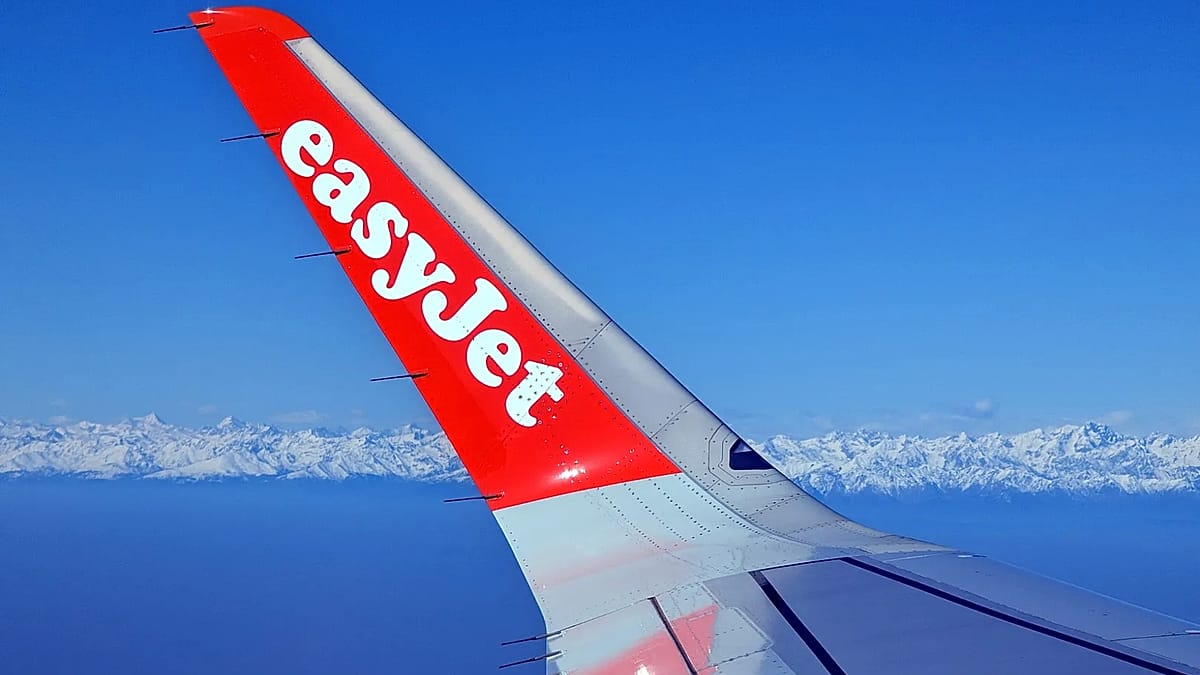
Shares in British low-cost carrier easyJet climbed more than 12% in London trading on Monday after US private investment firm Castlelake confirmed it is in the early stages of considering a takeover offer. The rally brought the stock to 445.80 pence, partially reversing a 23% decline over the past twelve months driven by elevated jet fuel prices and travel disruption linked to conflicts in the Middle East.
Castlelake, which has a history of investments in the aviation sector, stated on Friday that it is “in the early stages of considering a possible offer” and stressed that no approach has yet been made to easyJet’s board. Under UK takeover rules, the firm has until 26 June to either make a formal bid or announce it will not proceed.
Board Responds to Opportunistic Timing
EasyJet’s board acknowledged the interest in a statement, saying it is “clear in its duty of aiming to maximise shareholder value and will consider any proposal, should one be made.” However, it added that any assessment would be “especially mindful of its valuation and deliverability.” The board also noted the “highly opportunistic timing” of the potential bid, given that the share price is “temporarily depressed due to the current situation in the Middle East and its impact on customer confidence and jet fuel prices.”
The airline emphasised that it remains in “a position of strength, underpinned by an investment grade balance sheet with a net cash position, alongside strong customer satisfaction and high employee engagement.” It expressed confidence in its strategy to “deliver attractive long-term value for shareholders.”
Dan Coatsworth, head of markets at AJ Bell, commented that easyJet’s biggest shareholders are unlikely to accept a takeover unless there is a “knockout price.” He described the current period as the airline’s most challenging since the COVID-19 pandemic, largely due to higher jet fuel costs linked to the closure of the Strait of Hormuz following the conflict involving Iran. Coatsworth added that “there is logic to Castlelake being interested in the business, given its history of investments linked to the aviation sector,” but noted the big unknown is whether the firm would run easyJet in its current form or “simply flip it when market conditions improve.”
The board also highlighted “considerable regulatory, financial and other execution challenges” associated with a potential takeover. EasyJet operates across multiple European markets, including bases in the UK, Switzerland, Italy, France, Germany, Spain, Portugal, and the Netherlands, and any acquisition would likely face scrutiny from competition authorities in several jurisdictions.
The news comes amid broader turbulence in the European aviation sector, where carriers are grappling with volatile fuel costs and geopolitical uncertainty. The potential bid also reflects continued investor interest in European low-cost airlines, which have seen demand rebound strongly after the pandemic but face margin pressure from rising input costs.