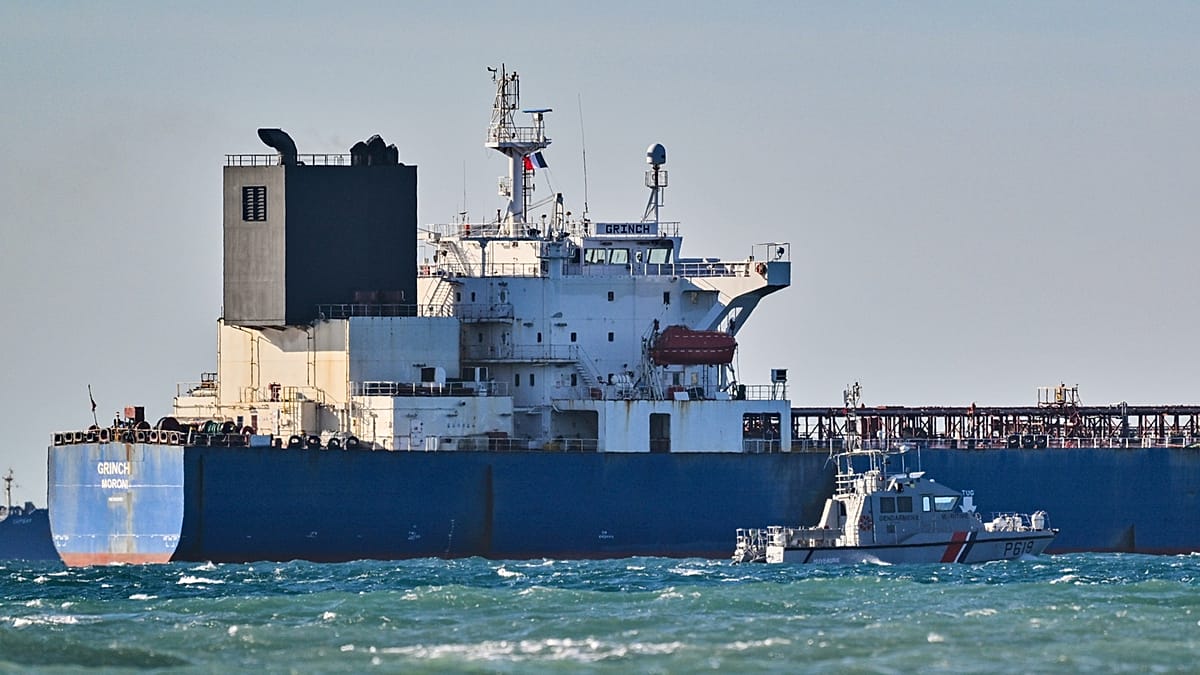
Brussels is quietly shelving its ambition to enforce a comprehensive ban on maritime services for Russian oil tankers, as a combination of internal resistance, allied indifference, and global market turmoil renders the policy unworkable. “It’s not happening,” one EU diplomat told European Pulse, reflecting a growing consensus among officials and diplomats that the measure, approved in late April as part of the 20th sanctions package, will remain indefinitely suspended.
Why the Ban Stalled
The ban was designed to prohibit banking, shipping, flagging, and insurance services for tankers transporting Russian crude, aiming to tighten the screws on Moscow’s war economy. Yet from the outset, it was left sine die—without a fixed implementation date—pending coordination with G7 partners, mirroring the earlier price cap mechanism. “This was the best way to send a signal that we were ready,” a second diplomat explained. “It was a deliberate choice.”
But that signal has gone unanswered. The United States, preoccupied with the fallout from the Strait of Hormuz crisis, has issued three successive sanctions waivers on Russian oil to stabilize energy markets. The United Kingdom’s recent moves have also raised eyebrows in Brussels. Meanwhile, the European Commission, along with Baltic and Nordic member states, continues to publicly advocate for the ban, but privately acknowledges the headwinds.
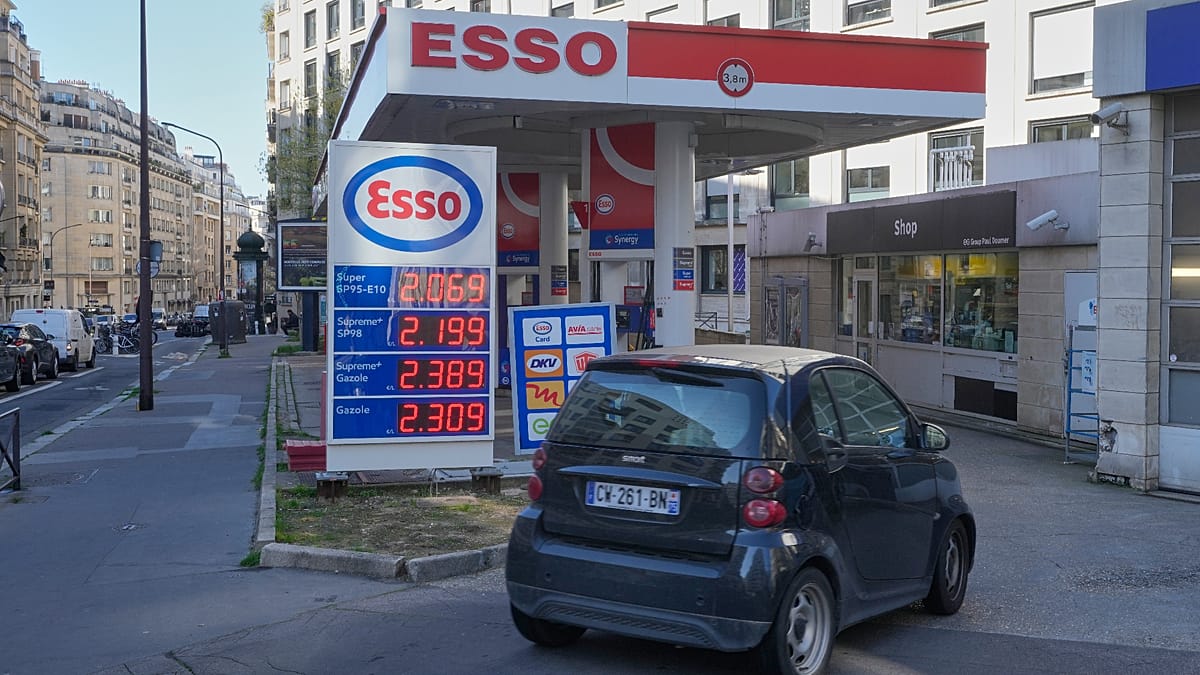
“Events in the Gulf have clearly changed the calculus about anything to do with energy,” David O’Sullivan, the EU sanctions envoy, told Euronews. “For the moment, what all Western economies are struggling with is access to energy at reasonable prices… there is scarcity of supply in the area, for example, of refined products, so diesel, jet fuel and so forth. So I think at this point there is no appetite to take additional measures which might aggravate that situation.”
Greece and Malta Hold the Key
Two member states with direct maritime interests—Greece and Malta—have effectively vetoed the ban without G7 alignment. Greece hosts a powerful shipping industry, while Malta controls Europe’s largest ship registry. Both argue that unilateral EU action would drive business to Russia’s “shadow fleet” and benefit Chinese and Indian competitors, while inflicting economic losses on their own sectors.
A spokesperson for the Maltese Foreign Ministry warned that “the main risk is fragmentation. If coalition partners do not act cohesively, operators may simply shift between jurisdictions within the same ecosystem, reducing the effectiveness of the sanctions. That is why coordination is essential.” The spokesperson added, “Sanctions must work in practice, not just in principle.”
These concerns echo broader anxieties about the EU’s ability to enforce sanctions without global buy-in. The Commission is currently preparing a new sanctions package, expected in the coming days, but the maritime services ban is unlikely to feature prominently.
Price Cap Under Pressure
As hopes for the full ban fade, attention shifts to the G7 price cap on Russian oil, which must be adjusted every two months to stay 15% below the average market price for Urals crude. With Urals prices surging due to the Strait of Hormuz disruption, the next revision—scheduled for 15 July—is expected to be upward, not downward. Diplomats anticipate the EU will find a way to lock in the cap to avoid giving Moscow a financial boost.
The stalled ban comes amid heightened tensions in Ukraine, where President Zelenskyy has warned of an imminent large-scale Russian aerial attack. He has repeatedly called for stronger sanctions, including on energy, but the EU’s internal divisions and external pressures are proving formidable obstacles.
The G7 leaders’ summit in Évian, France, in mid-June may offer a platform for renewed discussion, but few in Brussels expect a breakthrough. For now, the maritime services ban remains a policy in name only—a symbol of the EU’s intent, but not its capacity to act alone in a volatile energy landscape.