As Europe emerges from a summer marked by extreme heat and prolonged drought, the full scale of the damage to agriculture is becoming clear. From the olive groves of Andalusia to the wheat fields of the Beauce, crops have withered, and many farmers are staring at severe financial losses. The European Commission has responded by encouraging member states to make full use of the flexibility built into the EU's common agricultural policy (CAP), but the bloc's agriculture chief has been blunt about the limits of what Brussels can do.
No new money on the table
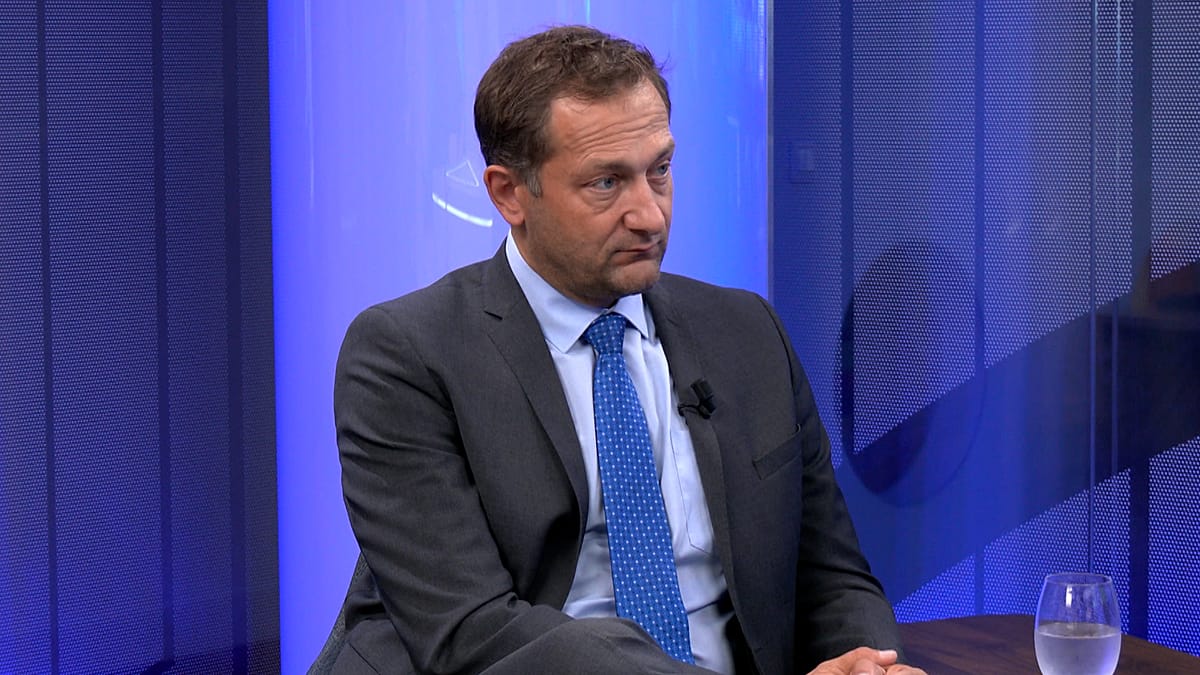
In an interview with European Pulse, EU Agriculture Commissioner Christophe Hansen acknowledged that farmers cannot expect fresh financial support from the EU budget. “Farmers know that cash is limited,” he said, stressing that the Commission's focus is on helping member states redirect existing funds rather than unlock new ones. Hansen urged national capitals to exploit the crisis provisions in the CAP, which allow for advance payments and exemptions from certain greening rules.
The summer of 2026 has been particularly harsh. France recorded its hottest summer since 1900, and Belgium saw nearly 3,000 excess deaths linked to the heat. These conditions have devastated harvests across the continent, from maize in Romania to sunflowers in Bulgaria. In southern Europe, irrigation reservoirs have run dry, forcing farmers to abandon fields.
Hansen's message is not what many in the agricultural sector wanted to hear. Farmers' unions in several countries have called for emergency aid packages, but the Commissioner insists that the EU budget is already stretched. Instead, he is appealing to consumers to show “solidarity” and to adjust their expectations. “We should not expect a certain quality of produce this year,” he warned, suggesting that cosmetic imperfections and lower yields may become the norm.
Flexibility in the CAP
The Commission's main tool is the crisis reserve, a fund of around €450 million per year, but Hansen noted that this is “not a bottomless pit.” He pointed to the possibility of using the CAP's crisis framework to allow member states to pay farmers up to 70% of their direct payments in advance, rather than the usual 50%. This would inject much-needed liquidity into farms without requiring new budget lines.
However, the effectiveness of these measures depends on how quickly member states act. Some, like Poland and Italy, have already announced national aid schemes, but others are still assessing the damage. Hansen called on all governments to “move fast” and to simplify administrative procedures.
The Commissioner also highlighted the need for long-term adaptation. “We cannot just react to each crisis; we must build resilience,” he said. This includes investing in water-efficient irrigation, drought-resistant crop varieties, and better soil management. He pointed to the upcoming review of the CAP post-2027 as an opportunity to embed climate adaptation more deeply into farm support.
Consumer solidarity and quality expectations
Hansen's plea for consumer solidarity is a recognition that the impact of climate change on food production is no longer a distant threat. Shoppers across Europe may see smaller fruit, misshapen vegetables, and higher prices in the coming months. The Commissioner urged retailers and consumers to be more accepting of produce that does not meet the usual aesthetic standards, reducing food waste and supporting farmers.
This is not just a matter of charity; it is an economic necessity. The agricultural sector is a cornerstone of the European economy, employing millions and ensuring food security. As pesticide poisoning affects nearly half of global farmers annually, the health of the sector is also a public health concern.
Hansen's comments come at a time when the EU is also grappling with trade pressures. The EU trade chief has set an October deadline for China to deliver concrete results on market access, which could affect agricultural exports. Meanwhile, the bloc is trying to maintain its position in global markets while dealing with internal climate shocks.
For now, the message from Brussels is clear: the immediate response to this summer's crisis will be one of management, not expansion. Farmers will have to rely on the flexibility of existing programs, the patience of consumers, and the hope that next summer brings more rain. As Hansen put it, “We are all in this together, and we must adapt to a changing climate.”