As Europe wrestles with soaring gas prices and unusually low storage levels, Brussels is looking across the Atlantic for new supply options. A draft joint statement prepared for the EU-Canada summit in Montreal on 29–30 October, seen by Euronews, proposes a feasibility study into long-term exports of liquefied natural gas (LNG) from Canada to Europe.
The two sides also plan to deepen cooperation on electricity grids, battery storage, and the physical and cyber protection of energy infrastructure. The draft text says they will “assess opportunities for long-term energy connectivity, investment and offtake arrangements that contribute to European energy security and Canadian economic development while supporting our shared climate objectives.”
The initiative is part of a broader push by EU institutions to diversify energy imports and reduce strategic vulnerabilities, a priority that has gained urgency since Russia’s full-scale invasion of Ukraine. Washington has since become the bloc’s largest LNG supplier, replacing much of the cheaper pipeline gas that once flowed from Russia. Disruptions in Qatari production and shipping have further tested Europe’s supply security.
Unanswered questions
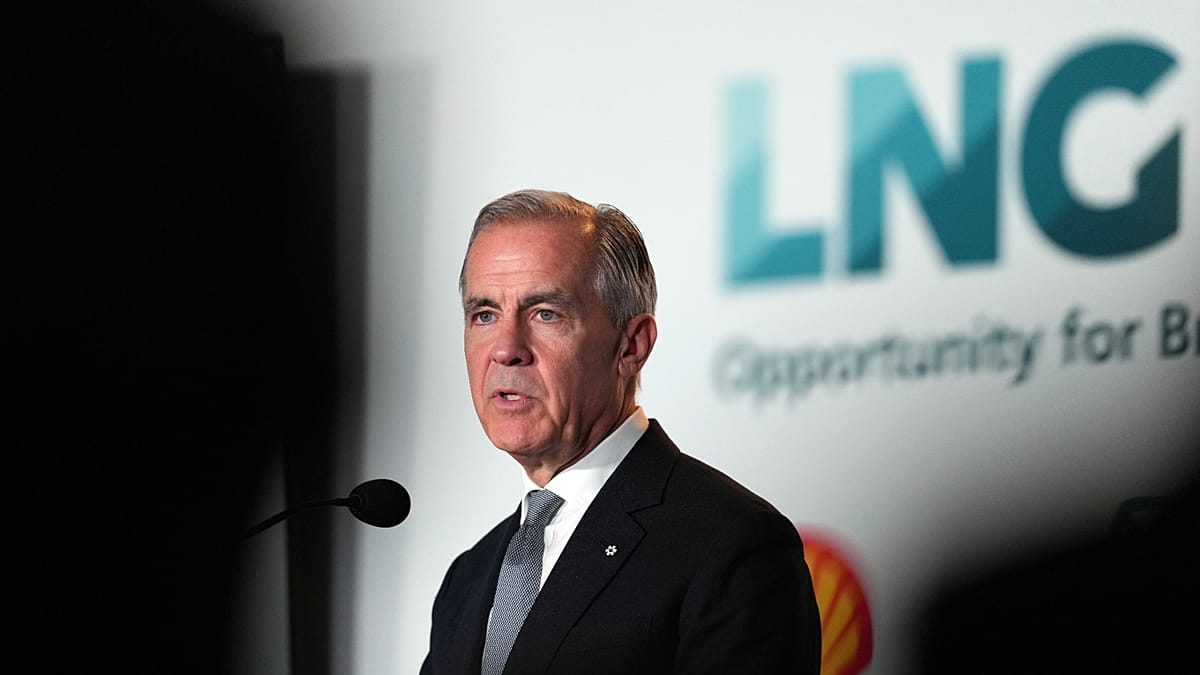
Yet the draft leaves key questions open: how much LNG could Canada realistically deliver, at what price, and through which infrastructure? Canada has vast gas reserves, but its export capacity is limited. Prime Minister Mark Carney has backed plans that could double LNG export capacity on the country’s west coast, presenting Ottawa as a reliable partner for nations seeking to diversify. He has also hinted at supporting gas exports from New Brunswick if the province lifts its fracking ban and builds a domestic industry. “We will change things at the federal level that need to be changed in order for projects to move forward,” Carney told local media in May 2025.
Additional supplies from politically stable producers could bolster Europe’s energy security, especially as Brussels tries to wean itself off Russian fossil fuels and navigate an unpredictable US administration. But Canadian LNG would also compete for Asian buyers, who are often willing to pay premium prices.
Environmental groups warn that more gas infrastructure could lock in fossil fuel use for decades. Esther Bollendorff, fossil-free programme manager at Climate Action Network (CAN) Europe, argues that Canada should not become the EU’s next gas supplier but rather a partner in building an affordable, resilient energy system. She called the proposed feasibility study a “dangerous distraction” from renewables-based electrification and energy efficiency, saying it “risks locking in fossil fuel infrastructure, stranded assets and higher bills for consumers on both sides of the Atlantic, while undermining Europe’s climate goals.”
The summit comes as the EU and Canada deepen ties in other areas, including trade and security. Some EU capitals have pushed back on European Commission President Ursula von der Leyen’s idea of making Canada an “associate member” of certain EU programmes, reflecting the delicate balance between strategic cooperation and institutional boundaries. Meanwhile, Britain is seeking its own reset with Ottawa, adding another layer to transatlantic energy diplomacy.
For now, the feasibility study is just a first step. Whether it leads to actual LNG flows will depend on commercial viability, regulatory approvals, and the pace of Europe’s own energy transition. As the continent invests heavily in renewables and efficiency, the role of gas in the coming decades remains a contentious question—one that this proposed partnership with Canada brings into sharp focus.