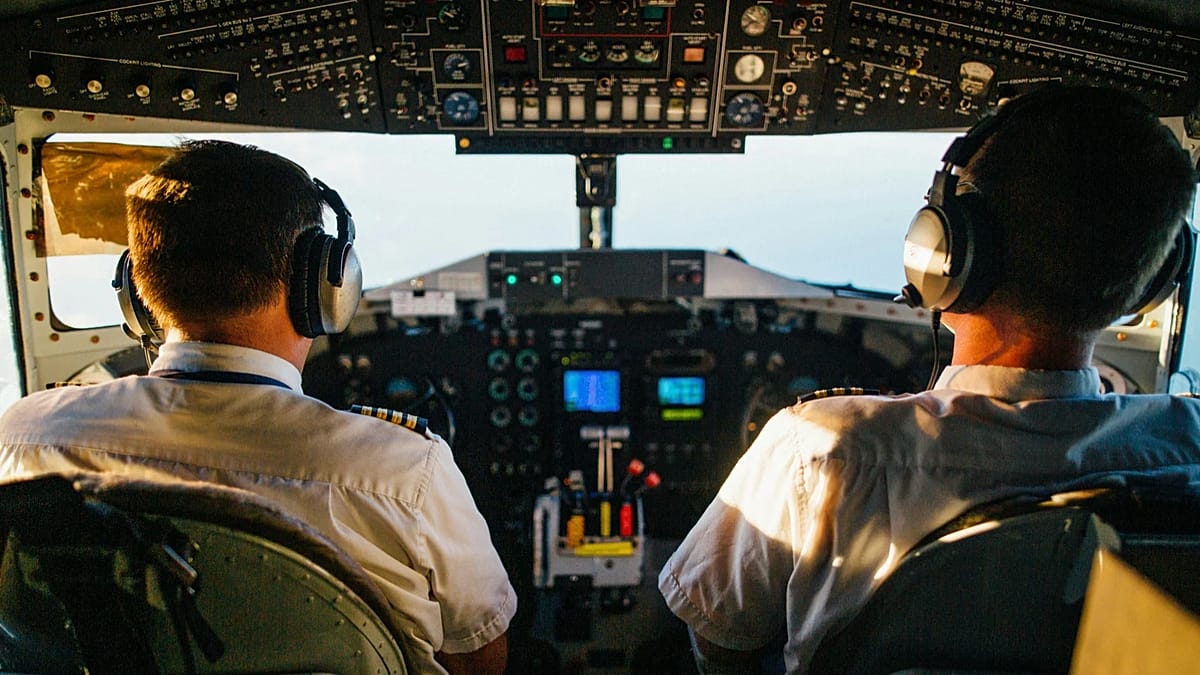
Pilot fatigue continues to pose a serious challenge to aviation safety across Europe, according to a new survey by the European Cockpit Association (ECA). The findings paint a troubling picture: more than half of the 7,200 pilots surveyed across 32 countries said they had operated a flight while tired, and over 76% reported experiencing at least one microsleep—a brief, involuntary lapse into sleep—on the flight deck in the previous four weeks.
The survey, conducted by aviation consultancy Baines Simmons, highlights a persistent gap between awareness of fatigue risks and the willingness of pilots to report them. More than half of respondents admitted that, in hindsight, they should have declared themselves unfit to fly due to fatigue at least once in the past three months but did not.
Fear of consequences silences pilots
When asked why they hesitated to report fatigue, the most common barrier was concern about management's reaction, cited by 47% of pilots. A further 44% said they wanted to avoid drawing attention to themselves, while 35% were reluctant to inconvenience their employer. These fears, the ECA argues, undermine the very systems designed to protect safety.
“When pilots fear career consequences, fatigue goes unreported and the risk returns to the cockpit,” said Captain Coen George, ECA Board Director.
The survey also revealed a stark lack of trust in reporting mechanisms. Although 82% of pilots knew how to submit a fatigue report, only 12% said they trusted the system, and just 11% believed that their submissions had led to operational changes that improved safety. Half of respondents said fatigue risks at their airline were either poorly managed or not managed at all.
Fatigue can stem from acute sleep loss, long or demanding duty periods, or insufficient recovery time between shifts. The report places particular emphasis on cumulative fatigue, which builds up over time and can be harder for pilots to recognise than the effects of a single sleepless night. This insidious nature makes it especially dangerous, as pilots may not realise they are impaired until it is too late.
The issue is not new. In a June 2026 report, the European Union Aviation Safety Agency (EASA) identified aircrew fatigue as one of the most consistent and prominent safety concerns in European aviation. It linked fatigue to a range of operational and socio-economic factors, including flight scheduling, short-notice roster changes, and the use of commanders' discretion to extend flight duty periods beyond scheduled limits.
The ECA's findings echo broader concerns about safety culture in the industry. While airlines and regulators have made strides in fatigue risk management, the persistent underreporting suggests that a cultural shift is still needed. Pilots must feel confident that declaring fatigue will not lead to punishment or stigma, but rather to constructive adjustments that benefit everyone.
As air travel continues to recover and grow, the pressure on pilots is unlikely to ease. The ECA's survey serves as a reminder that fatigue is not just an individual problem but a systemic one, requiring commitment from airlines, regulators, and pilots alike to ensure that safety remains the top priority.