The European Union's next seven-year budget was never going to be easy, but the Visegrád Four have just made it considerably harder. Meeting in Bratislava on Monday with Austrian Chancellor Christian Stocker, the prime ministers of Hungary, Poland, Czechia and Slovakia aired a litany of complaints about the European Commission's spending plans, setting the stage for a contentious summit in Brussels later this week.
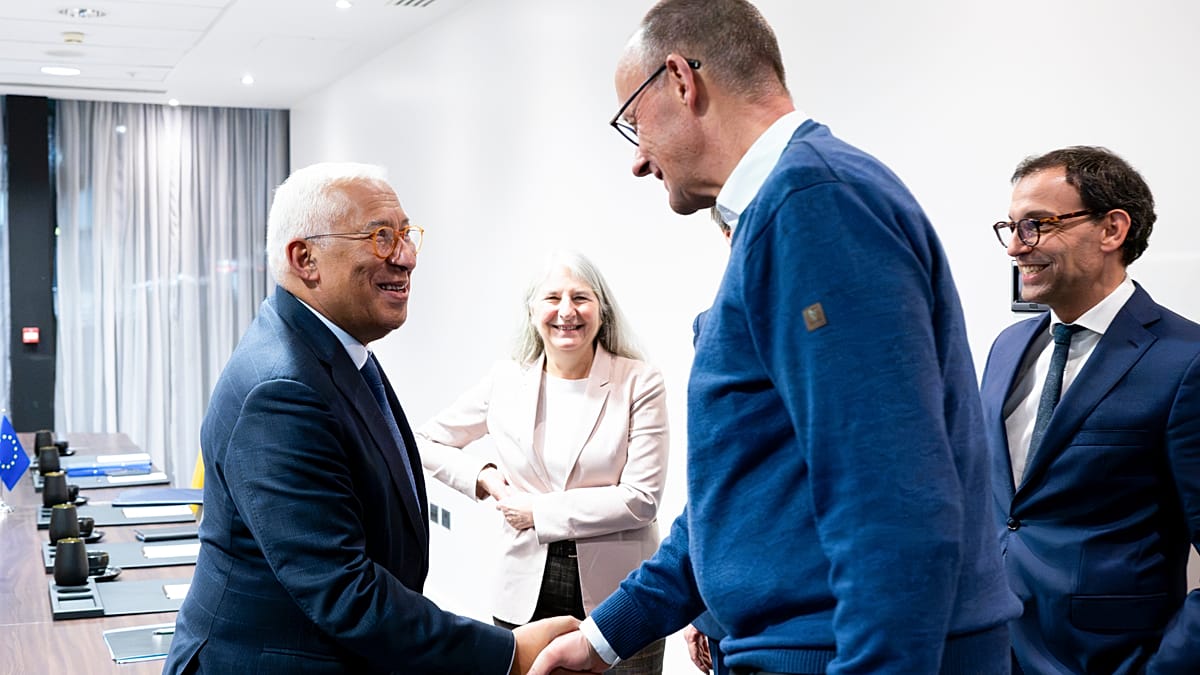
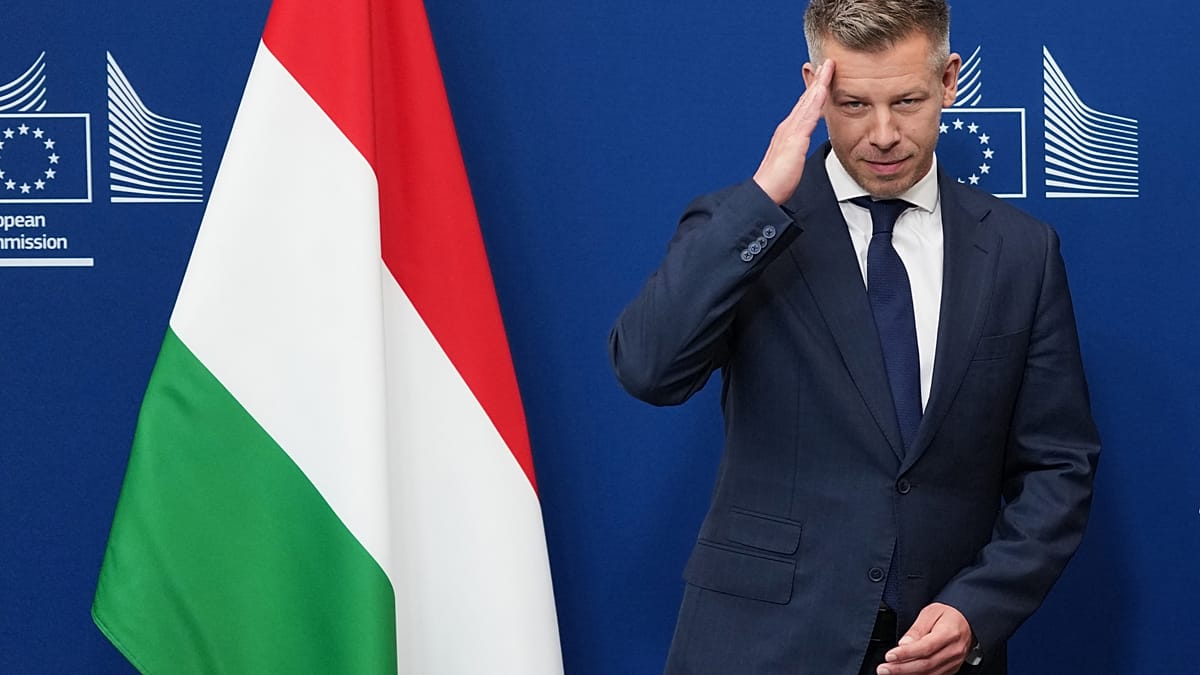
Hungarian Prime Minister Péter Magyar dismissed the Commission's proposal as an unacceptable starting point. In a letter to European Council President António Costa, he questioned the value of convening a special summit at all: “There is no point spending two days in Brussels not agreeing on anything.” His blunt assessment reflects a broader frustration among member states that the budget arithmetic is becoming increasingly unworkable.
Czech Prime Minister Andrej Babiš took aim at what he called unnecessary expenditures, reviving a perennial gripe about the European Parliament's three seats. “Has anyone thought about saving money?” he asked, echoing a sentiment that has long resonated with net contributors and frugal governments alike.
The Ukraine financing puzzle
Perhaps the most delicate fault line is how to finance Ukraine. Magyar insists that support for Kyiv should remain outside the EU budget, fearing that mandatory contributions would become a permanent burden. More surprisingly, Poland's Donald Tusk — hardly a Ukraine-sceptic — expressed reservations about joint EU borrowing to fund Kyiv. His caution suggests that even staunch allies of Ukraine are wary of the fiscal implications.
Slovak host Robert Fico stressed that the V4 had not adopted a common budget position, although the leaders broadly agreed on the importance of cohesion spending, agriculture and migration. That lack of unity may be the only saving grace for Brussels, but it also underscores the deep divisions that remain.
The arithmetic is getting ever more complicated. The EU must simultaneously increase spending on defence, competitiveness and Ukraine, repay its pandemic-era debt, and placate governments fiercely protective of their agricultural and regional subsidies. And, lest we forget, the budget requires unanimity. As Costa's budget plan shows, the Commission is already exploring deeper cuts and new revenue sources, but the Visegrád pushback suggests that even those measures may not be enough.
Magyar's European paradox is striking. Even as he complicates Brussels' financial planning, he continues to repair relations with Kyiv, announcing a visit to Transcarpathia and pledging solidarity with Ukrainians under Russian attack. His efforts to restore the rule of law have also earned Hungary approval for €10 billion in EU recovery funding, a sign that Budapest is willing to engage constructively when it suits its interests.
The budget standoff is not happening in a vacuum. The Commission has just unveiled its 22nd sanctions package against Russia, targeting banks, crypto platforms, energy facilities, “shadow fleet” vessels and former soldiers. The package also seeks to exclude Russian teams and athletes from European sports events, ban Russian symbols, and prevent Russians from holding governing posts in sports federations. “Sports events can not be a forum for propaganda activities,” Commission President Ursula von der Leyen said.
Meanwhile, the war continues to spill across Ukraine's borders. NATO's North Atlantic Council meets today to discuss Friday's Russian incursion into Polish airspace, with Warsaw seeking additional allied support to protect its eastern border. The security dimension adds another layer of urgency to the budget negotiations, as member states grapple with how to fund both defence and reconstruction.
The Visegrád leaders' resistance is a reminder that the EU's budget is not just a financial exercise but a political one. With unanimity required, every member state holds a veto, and the gap between what Brussels wants and what capitals will accept is widening. As the summit approaches, the question is not whether a deal will be reached, but at what cost — and whether the EU can afford to wait.