European Union governments and the European Commission convened an emergency meeting on Friday to weigh whether to tap the bloc's strategic fuel reserves, as diesel prices climb and Washington turns up the heat on its allies to act.
The talks, held under the Commission's crisis-monitoring and coordination table for energy security, bring together national representatives to assess whether current market disruptions threaten supply and what collective response might be warranted. Ireland, which holds the rotating presidency of the Council of the EU, confirmed the meeting and said the diesel market was "very tight", pushing up prices for consumers worldwide.
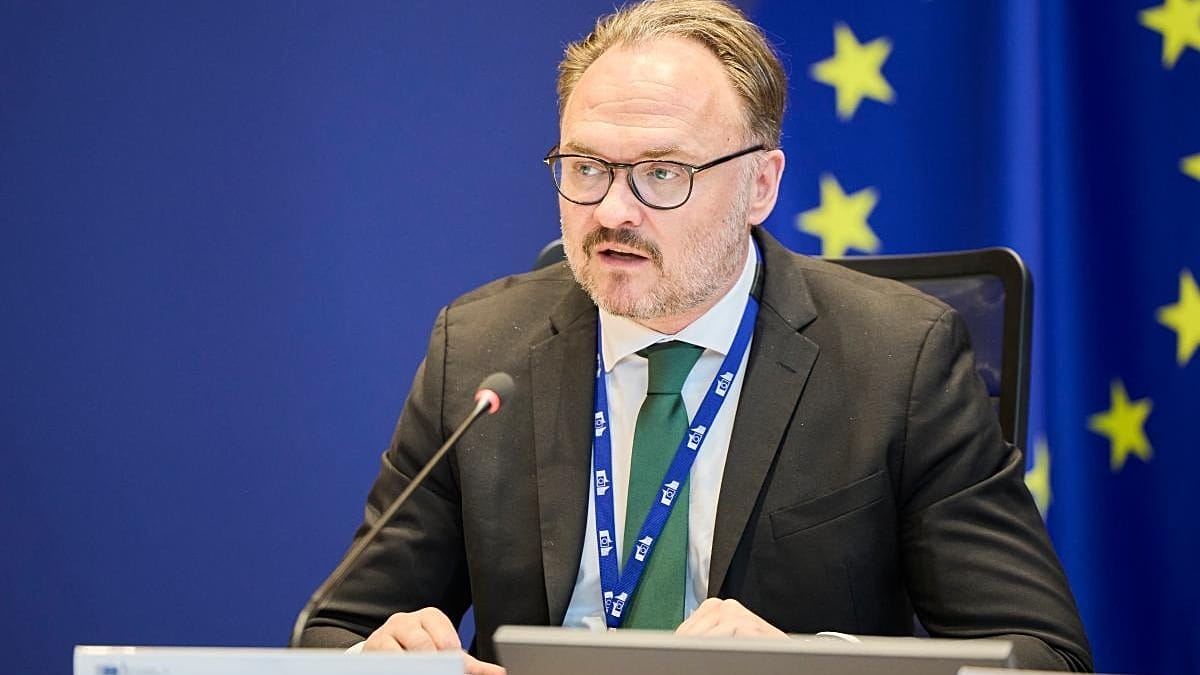
"We are discussing with all members of the International Energy Agency, not only the United States, when the right time is to release, because this is one of the opportunities that we have," EU Energy Commissioner Dan Jørgensen told Euronews. "We've used it before, and we'll likely use it again."
US pressure and the threat of export curbs
The urgency in Brussels has been sharpened by signals from Washington. A Commission spokesperson said the US has warned European allies that they must release more diesel supplies or face a possible American export ban. US Treasury Secretary Scott Bessent repeated that message on Thursday, writing on X that European partners should "accelerate delivery on their existing commitments and make additional supplies immediately available".
"American farmers, truckers, and businesses should not be left carrying the burden of a global diesel shortage," Bessent wrote. "America is doing its part. We look to our allies to match their commitments with action."
EU diplomats, speaking on condition of anonymity, described the American tone as "rough", saying Washington was not sending "gentle diplomatic messages". The pressure reflects a tightening global diesel market ahead of winter, with refined product prices rising across Europe and beyond.
Macron's calls and G7 coordination
French President Emmanuel Macron held an overnight call with US President Donald Trump to discuss the global energy situation, according to the Élysée. The French presidency said the two leaders shared a "common interest" in coordinated action "without export restrictions". Macron also spoke with Canadian Prime Minister Mark Carney.
According to the Élysée, the discussions stressed "the need to work together to combat rising fuel prices" and "ensure the global availability of refined products". A videoconference of G7 leaders, with France currently holding the presidency, is to take place "as soon as possible".
"The aim is to coordinate measures to help ease price pressures and guarantee supplies of crude oil and refined products — both among G7 nations and globally." — Élysée statement
An EU source said representatives from France, Germany, Ireland and the UK held a call with the European Commission on 1 October, apparently paving the way for Friday's technical meeting.
IEA reserves in focus
The International Energy Agency, which coordinates collective releases among its members, is also involved in the discussions. IEA chief Fatih Birol has urged European countries to make use of their diesel stocks. The agency last coordinated an emergency release in March, when 400 million barrels were put on the market following US and Israeli military strikes against Iran and the closure of the Strait of Hormuz.
The squeeze is being felt unevenly across the continent. In Bulgaria, fuel costs now consume a substantial share of the minimum wage, a burden that falls hardest on lower-income households. The prospect of further price spikes as winter approaches is concentrating minds in national capitals and in Brussels alike.
Friday's meeting is not expected to produce an immediate decision, but it could set the stage for a coordinated release in the coming weeks. For now, the message from both sides of the Atlantic is that the window for action is narrowing.