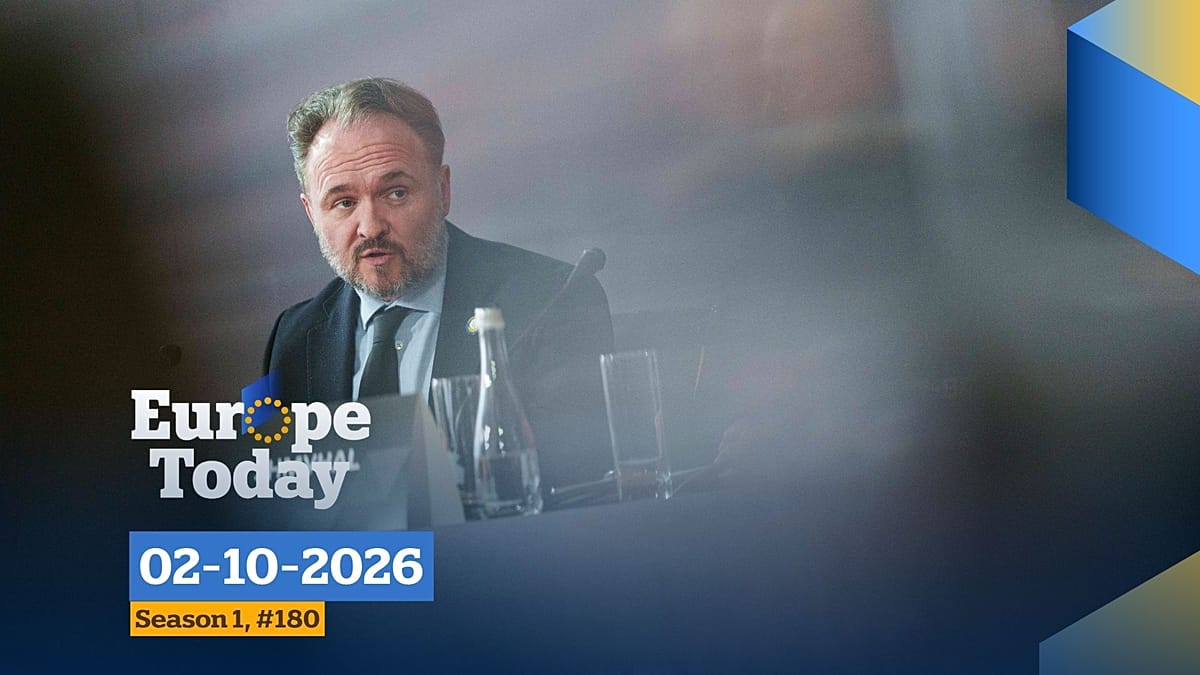
European motorists are feeling the pinch as diesel prices across the EU reach an all-time high, averaging €2.24 per litre. The surge, driven by supply disruptions and global market tensions, has prompted Energy Commissioner Dan Jørgensen to urge member states to use existing flexibility to ease the burden on households and businesses. In an exclusive interview, Jørgensen stressed that volatility is now a permanent feature of the energy landscape, not a temporary blip.
The price spike comes as the United States pressures European countries to release millions of barrels from their emergency oil reserves to stabilise markets. Brussels is weighing a coordinated release, a move that could provide some relief but also raises questions about strategic stockpiles. A coordinated EU response is under discussion, but member states remain divided on the timing and scale.
Meanwhile, in Madrid, Spain's Congress is set to vote on two government-backed housing decrees aimed at tackling soaring rents and protecting tenants. The measures, which follow days of street protests, are a test for Prime Minister Pedro Sánchez's minority coalition. With support from smaller parties uncertain, a rejection could trigger unpredictable political consequences, potentially destabilising the government and complicating its legislative agenda.
The housing crisis is not unique to Spain. Across Europe, tourism surges and short-term rental platforms have exacerbated housing shortages in cities like Lisbon, Barcelona, and Amsterdam. MEPs have recently confronted this issue, debating how to balance tourism revenue with residents' needs. Spain's vote could set a precedent for other countries grappling with similar pressures.
Hybrid threats from Russia
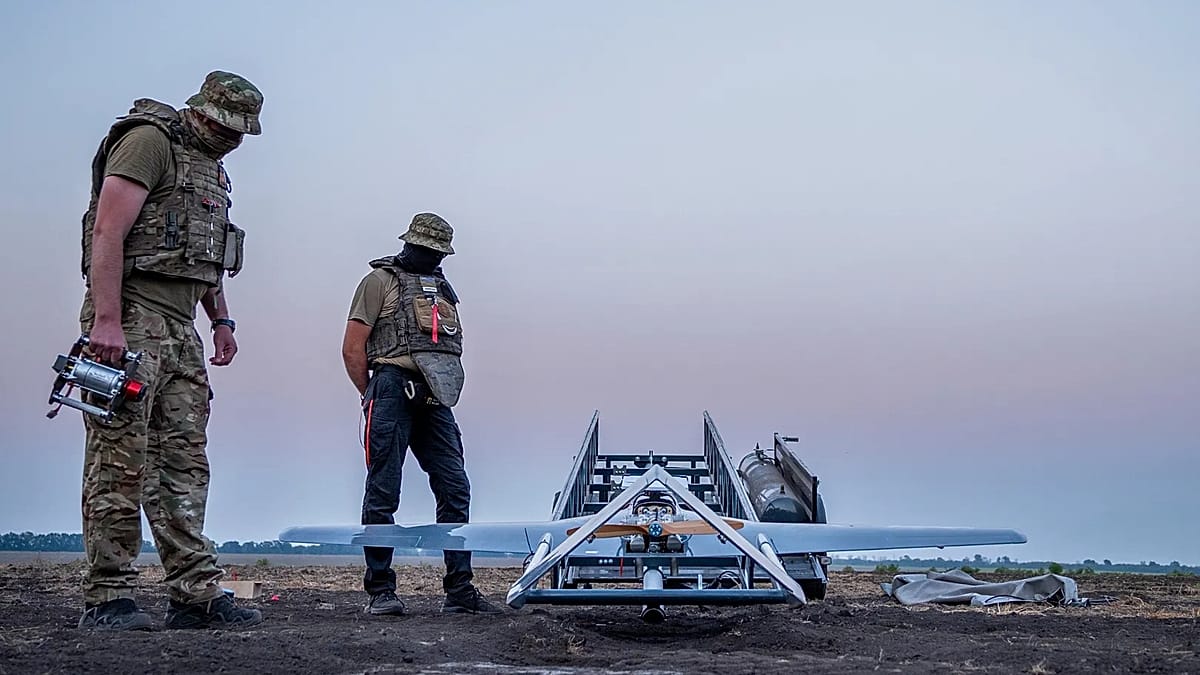
In a separate development, Romanian Foreign Minister Oana Țoiu has warned of a broader campaign of cyberattacks, sabotage, and other forms of hybrid warfare from Russia. The warning comes as Russian drone attacks on Ukraine spill into Romanian airspace and along the Black Sea, raising security concerns for NATO's eastern flank. Bucharest has called for enhanced EU and NATO cooperation to counter these threats, which are increasingly targeting critical infrastructure and democratic processes.
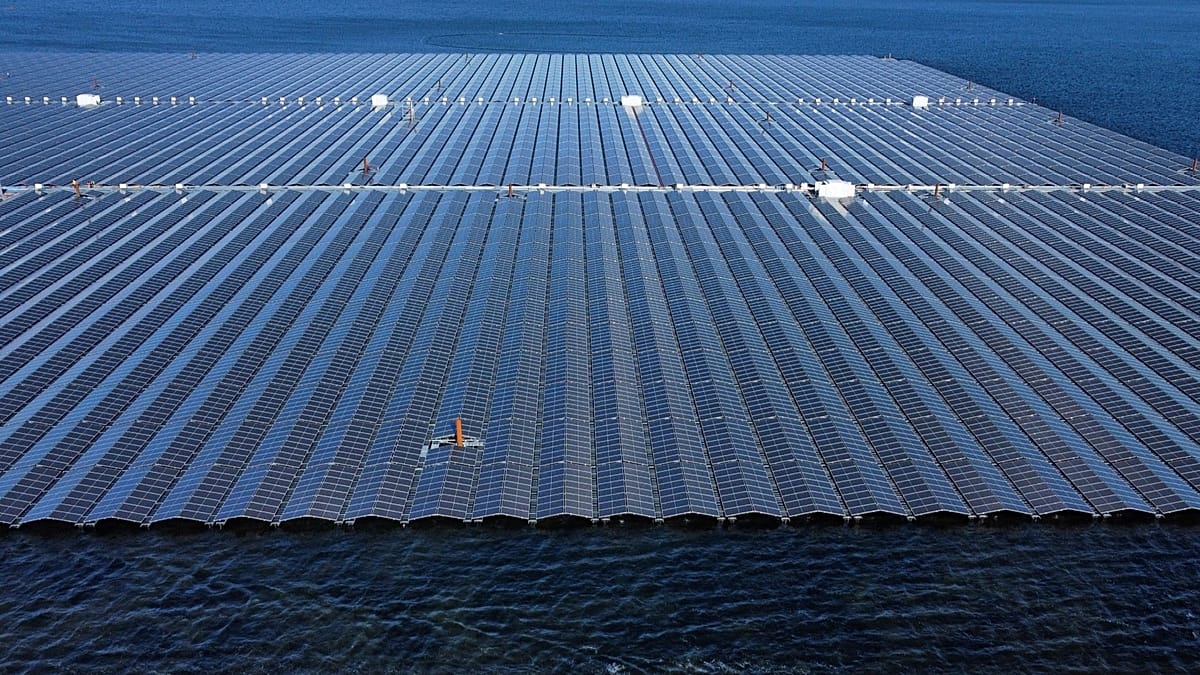
The energy crisis and security concerns are intertwined, as Russia's actions in Ukraine continue to disrupt European energy supplies. The EU's reliance on Russian energy has been a long-standing vulnerability, and the current price surge underscores the urgency of diversifying sources and accelerating the transition to renewables.
As European leaders grapple with these challenges, the human cost is evident. From Madrid to Bucharest, citizens are feeling the impact of rising prices and geopolitical instability. The EU's response will be closely watched, with many hoping for decisive action that balances short-term relief with long-term resilience.
For now, the focus remains on Spain's parliamentary vote and the EU's energy strategy. Both will shape the continent's immediate future, and both carry significant political weight. As Jørgensen noted, the era of cheap and stable energy is over; adaptation is no longer optional.