The European Court of Justice (ECJ) delivered a landmark ruling on Tuesday, declaring that Hungary's amended Child Protection Law violates EU law by discriminating against gay and transgender people. This marks the first time the court has found an EU member state in breach of the fundamental values enshrined in the EU Charter of Fundamental Rights.
The legislation, pushed by former Prime Minister Viktor Orbán and approved via a referendum coinciding with a general election, was ostensibly designed to protect minors from sexual abuse. However, critics argued it unfairly criminalised gay men by linking them with paedophilia. The law banned the depiction or promotion of homosexuality and gender reassignment, forcing Hungarian media outlets and publishers to remove TV series, films, and books portraying homosexuality.
Court's Findings and Implications
The ECJ ruled that the law "stigmatises and marginalises non-cisgender people, including transgender people," and noted that its title associates them with individuals convicted of paedophilia. According to the court, this association increases stigma and may encourage hostile behaviour. All 27 judges participated in the decision.
The court found that Hungary violated several rights under the EU Charter, including protection from discrimination based on sex or sexual orientation, respect for private and family life, and freedom of expression and information. It also ruled that the law breaches EU rules on the free provision of services. The court ordered Hungary to repeal the law immediately.
During the hearing, Hungarian authorities argued that the measures were necessary to protect children and preserve national identity. The ruling comes nine days after Hungary's parliamentary elections, in which the opposition Tisza Party, led by Péter Magyar, defeated Orbán's Fidesz party. This political shift has already reshaped Budapest's stance towards Brussels, as noted in Péter Magyar's Victory in Hungary Reshapes Budapest's Stance Towards Brussels.
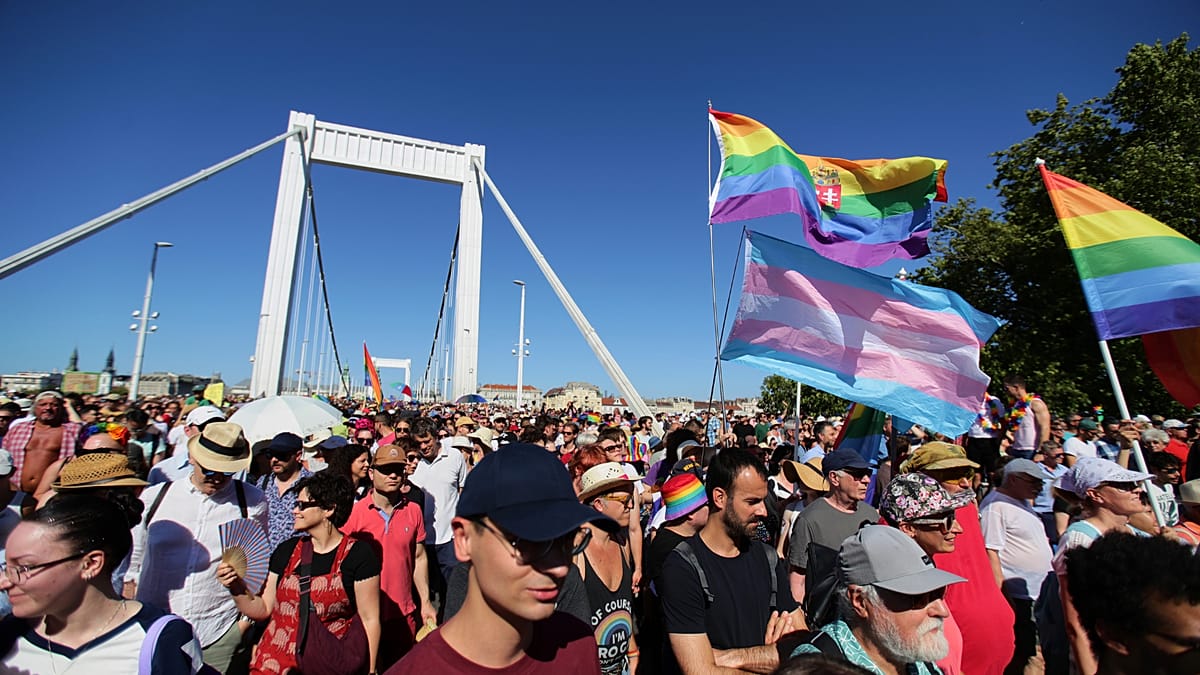
In 2025, Hungarian authorities banned Budapest Pride under the same law, claiming the event could harm minors. Organisers defied the ban, drawing hundreds of thousands of participants. The ECJ's ruling now puts pressure on the new government to align with EU fundamental values.
This decision sets a significant precedent for the enforcement of EU values across the bloc. It underscores the EU's commitment to protecting LGBTQ+ rights, even when member states invoke national identity or child protection. The ruling also highlights the tension between national sovereignty and EU law, a recurring theme in relations with Budapest.
As Europe continues to grapple with issues of discrimination and fundamental rights, this case serves as a reminder of the legal frameworks that bind member states. The ECJ's ruling is expected to influence similar cases in other countries, such as Poland, where LGBTQ+ rights have also been contested.



