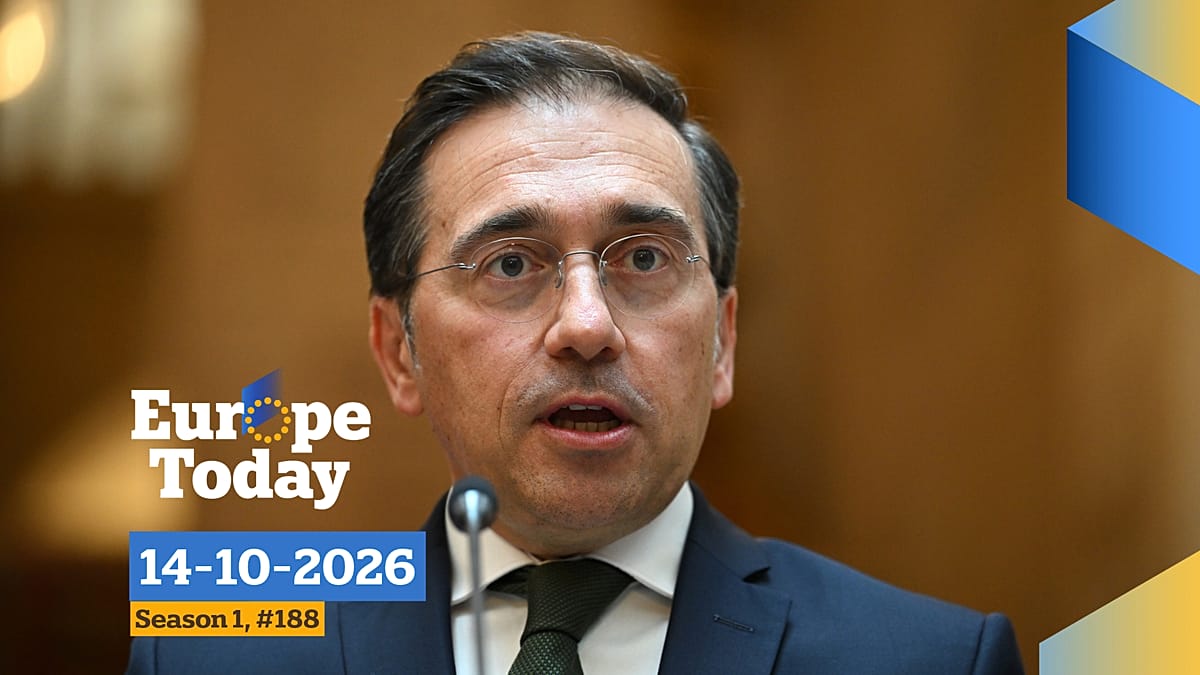
The question of whether the European Union should take on common debt to stimulate its sluggish economy has resurfaced with force, following a Spanish proposal for Brussels to borrow up to €850 billion each year. The plan, which has drawn support from France and other southern member states, pits advocates of fiscal solidarity against northern frugal nations demanding stricter budgetary discipline.
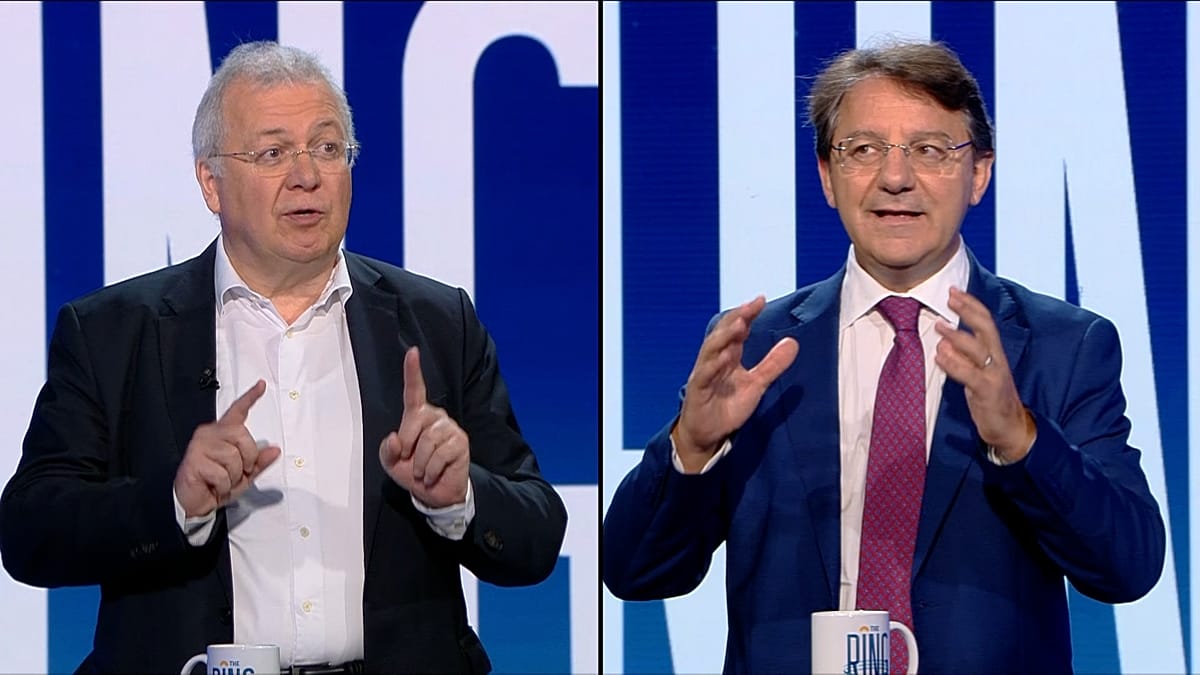
On Euronews' debate programme The Ring, two MEPs representing these opposing camps went head-to-head. Markus Ferber, a German conservative, argued that additional borrowing would only strain public finances without addressing the structural causes of slow growth. He called instead for spending reforms within existing budgets.
Pasquale Tridico, an Italian MEP from the Five Star Movement, countered that public debt is “one of the most important tools for economic growth” and urged its expanded use. “We need to accept common debt. It is not a matter only of solidarity, it is a matter of a well-built economy,” Tridico said.
Ferber pointed to the EU's ongoing difficulties with repaying the Next Generation EU funds, the bloc's pandemic-era joint borrowing programme. “Since we are looking to delay repayments, the markets will not trust us with more borrowing,” he warned. “I wish you all the best to go to the market asking for money. But refinancing, repayment, sorry, the market will ask for high interest rates.”
Competitiveness and the China Factor
Both MEPs acknowledged the fierce global competition facing Europe, particularly from Chinese industrial overcapacity driven by state subsidies. Cheap Chinese exports are flooding the EU market, threatening manufacturing industries across the continent. The European Commission has set an October deadline to secure “tangible” results from talks with Beijing before considering a firmer response.
Ferber argued that the EU is not doing enough on China because it fails to leverage its greatest asset: the Single Market. He noted that internal barriers within the EU are so significant that their economic impact is equivalent to imposing 45% tariffs on trade within the bloc. “We are not doing enough because we are not using the only asset we have, which is the Single Market,” he said.
The debate over common debt is not new, but it has gained urgency as Europe's economy struggles to regain momentum. The Spanish proposal, which has been welcomed by ECB President Christine Lagarde as a debate starter, highlights the persistent divide between member states. Southern countries, including Italy, Greece, and Portugal, see joint borrowing as a way to fund investments in green transition, digitalisation, and defence. Northern states, led by Germany, the Netherlands, and Austria, fear that common debt will lead to fiscal irresponsibility and higher borrowing costs for all.
The outcome of this debate will have significant implications for Europe's economic future. As the EU grapples with slowing growth in China and rising global competition, the question of whether common debt can fix Europe's growth problem remains unresolved.