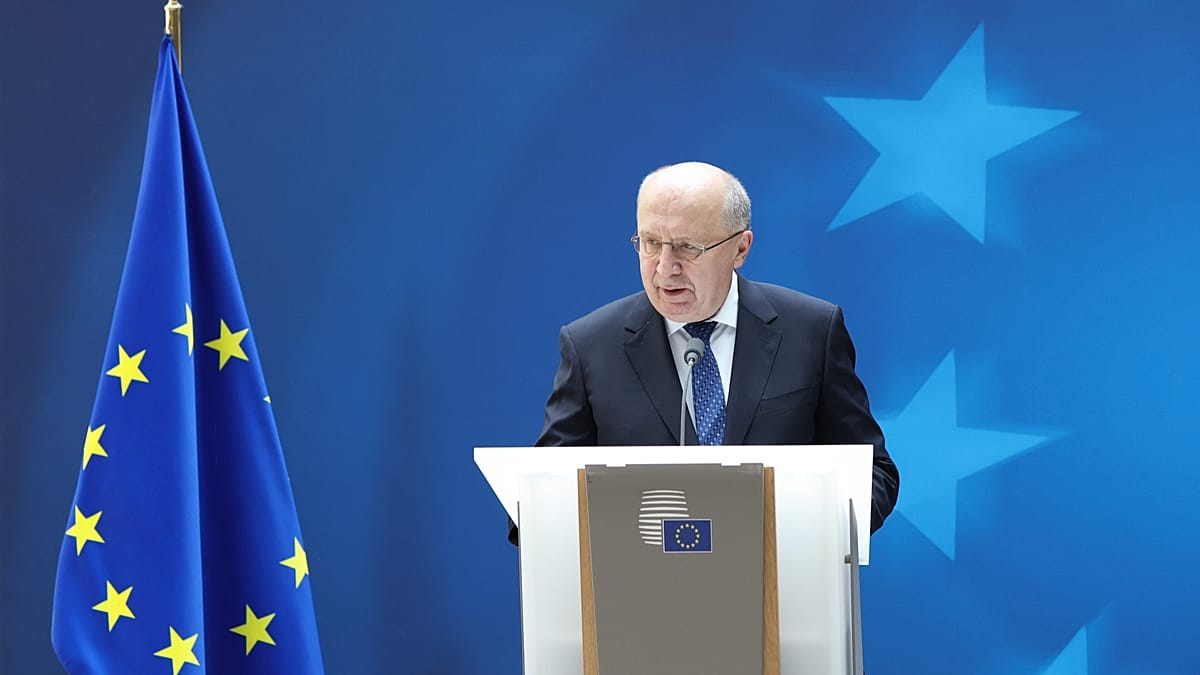
Europe is preparing a tough response to Russia's campaign of hybrid attacks, with the EU's first defence commissioner warning that Moscow will face a “painful price” for its provocations. In an interview with Euronews, Andrius Kubilius said the European Commission is developing an anti-hybrid warfare playbook that would give the bloc concrete options to retaliate against incidents that fall short of open military conflict.
“We can find ways for how Russia will pay quite a painful price for their provocations,” Kubilius said. “This is what the Commission president spoke about.” His remarks follow Ursula von der Leyen's State of the Union address on Wednesday, in which she proposed a new mechanism to respond to hybrid threats – a category that includes sabotage, disinformation, cyberattacks, and the weaponisation of migration.
A growing threat on Europe's eastern flank
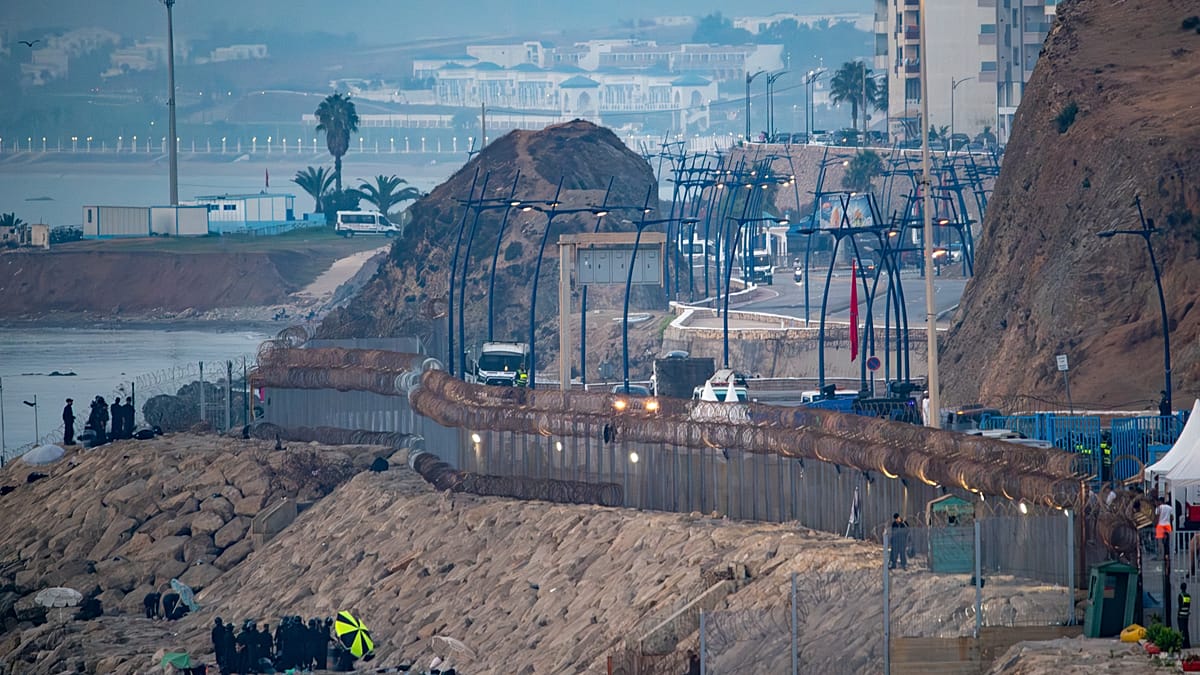
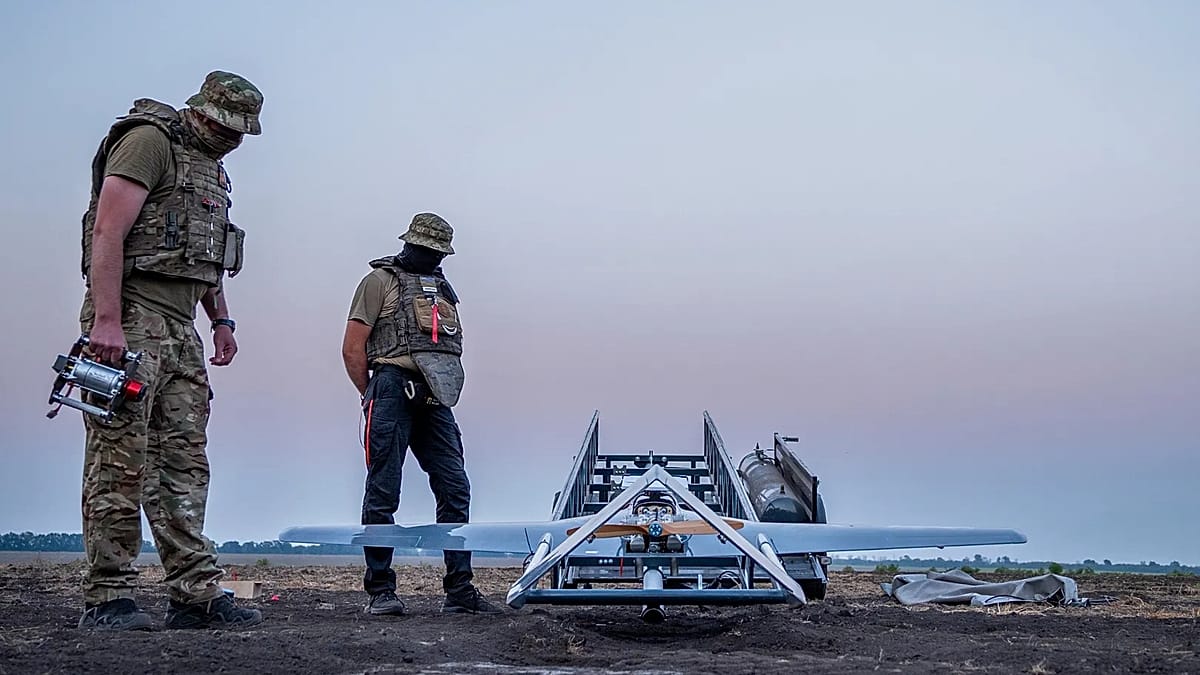
The urgency is driven by a steady drumbeat of incidents that have rattled EU member states, particularly those bordering Russia and Belarus. Recent weeks have seen drone incursions into Polish and Romanian airspace, damage to undersea cables in the Baltic Sea, and accusations that Moscow is pushing migrants across the Finnish and Polish borders. These actions, von der Leyen said, “fall below armed aggression but clearly threaten our national security.”
In response, five Baltic European Commissioners – including Kubilius and economy chief Valdis Dombrovskis – have called for a stronger EU-wide response. Their pressure helped shape the proposals unveiled in the State of the Union, which include a new Emergency Security Protocol designed to complement NATO's Article 4. Under the protocol, if one member state triggers it, all EU members would convene to coordinate a joint response, aiming to deter further escalation and mitigate the impact.
Kubilius stressed that the EU's approach is rooted in solidarity. “The European Union is a solidarity union,” he said, adding that the Commission is working on ways to assist countries most exposed to hybrid threats. The recent use of Belarus as a launchpad for drone strikes has only heightened concerns in Warsaw, Vilnius, and Riga.
A new security council for Europe
Beyond the protocol, von der Leyen proposed a new leaders' format – the European Security Council – that would bring together EU member states and like-minded partners such as Ukraine, the United Kingdom, Norway, and Canada. The aim is to create a dedicated forum to address the continent's biggest geopolitical challenges, from an increasingly assertive Russia to the retreat of the United States from Europe's security architecture.
“For a long time, we have discussed a leaders' format focused on the security of our continent,” von der Leyen said. “This is even more urgent now, given the nature and scale of the risks at play.” Ukrainian President Volodymyr Zelenskyy is already a frequent guest at European Council meetings; the new format would institutionalise that relationship, giving it a standing agenda for security discussions.
The proposal has raised questions about duplication with NATO, which has been the cornerstone of European defence for 77 years. Of the EU's 27 member states, 23 are also NATO allies. But Dombrovskis insisted the new body would “complement NATO” and not “compete with NATO.” He pointed to the war in Ukraine, which has become a drone war, with Russia producing millions of drones a year. “We need to strengthen our drone defence capabilities,” he said.
A NATO official told Euronews that the alliance welcomes European allies and partners stepping up to do more in support of shared security. The sentiment echoes broader efforts to bolster European defence, including Rheinmetall's push for robots and space-based capabilities.
The Commission's plans are still in development, but Kubilius made clear that the EU is moving beyond rhetoric. The anti-hybrid playbook, he said, would give Europe a set of tools to respond in kind – economically, diplomatically, and technologically. Whether that will be enough to deter Moscow remains to be seen, but European leaders are signalling that the era of patience is over.