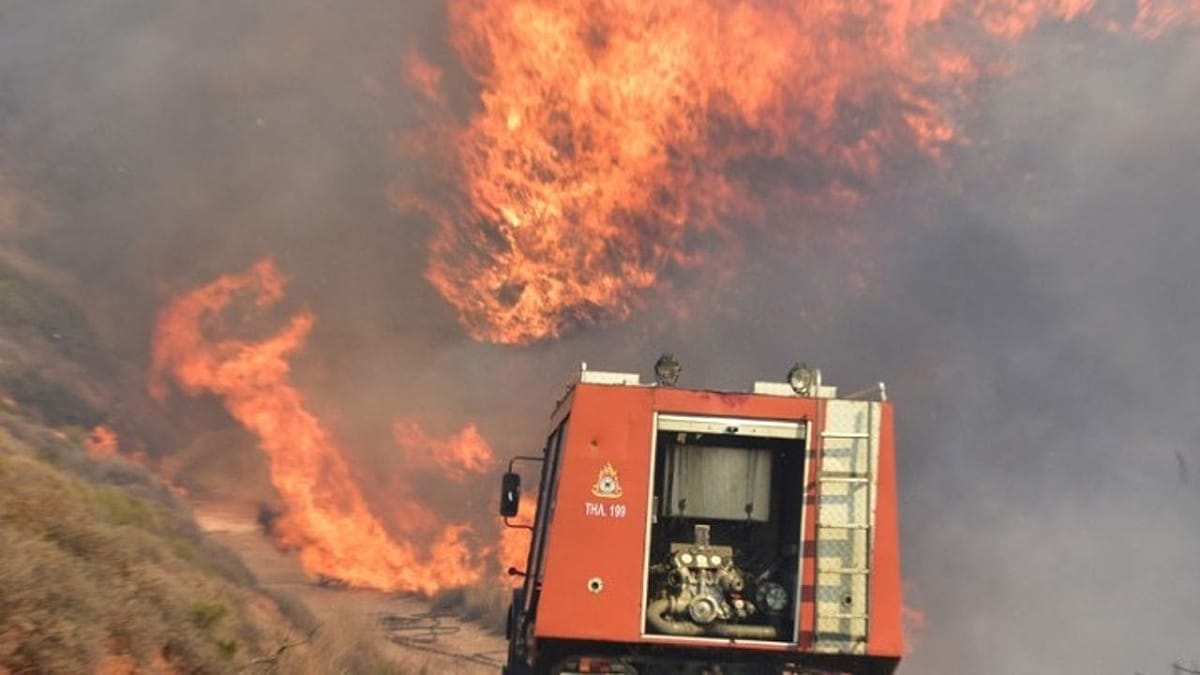
The European Union's energy security has been severely tested by the closure of the Strait of Hormuz following the Iran war in early March 2026. Tanker traffic halted, cutting flows of Qatari and Emirati LNG and Persian Gulf oil, forcing the bloc to accelerate its shift away from foreign fossil fuels.
Renewables, particularly wind and solar, now form the backbone of the EU's power sector. In 2025, they generated a record 30% of total EU electricity, surpassing the 29% share from fossil fuels for the first time. This milestone underscores the rapid expansion of clean energy across member states, from Germany's North Sea wind farms to Spain's Andalusian solar plants.
Nuclear's Role in the Mix
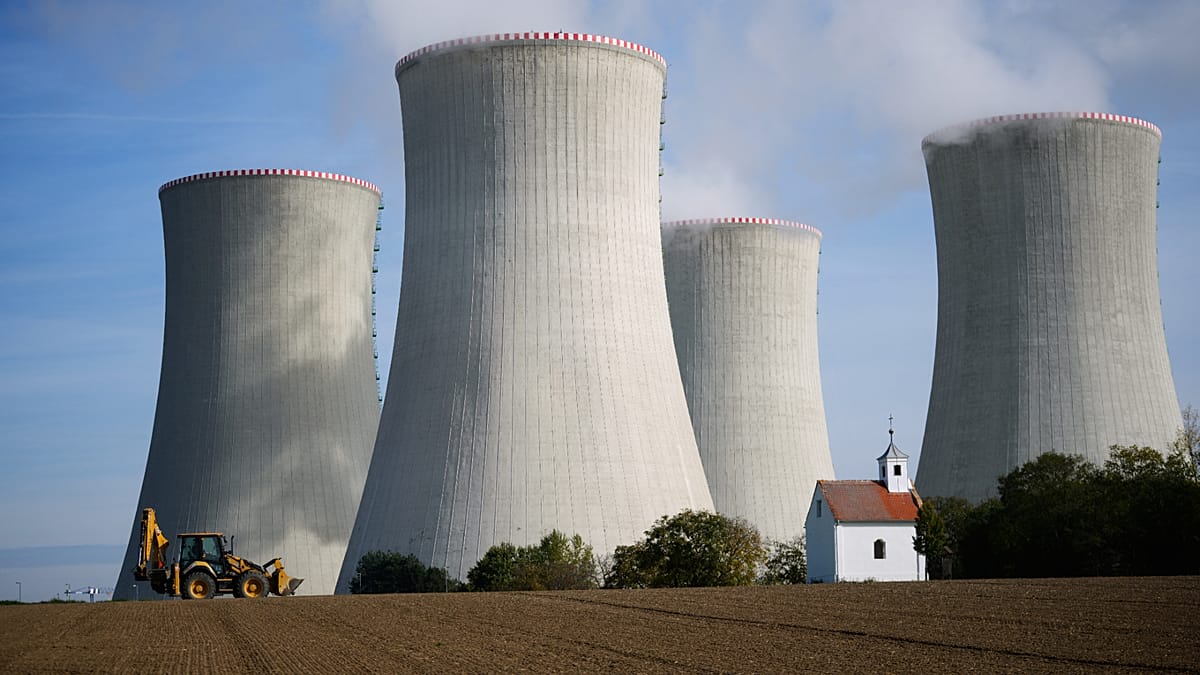
Nuclear energy currently provides roughly 23% of the bloc's electricity, with France leading the way through its fleet of reactors. The EU has recently outlined a strategy to bring the first Small Modular Reactors (SMRs) online by the early 2030s, and as of March 2026, has committed €330 million to accelerate nuclear and fusion research. This investment aims to complement intermittent renewables with stable, low-carbon baseload power.
However, nuclear remains contentious. Some member states, like Germany and Austria, have phased out or opposed nuclear power, while others, such as Poland and the Czech Republic, see it as essential for decarbonization. The EU's approach seeks to balance these views, but the debate over safety, waste, and cost persists.
Green Hydrogen and Gas Transition
The EU banned all Russian gas and LNG imports in January 2026, replacing them with global LNG supplies and increased biomethane production. Green hydrogen, produced via electrolysis using renewable electricity, plays a central role in the bloc's long-term strategy. Its development is coordinated through the EU Energy and Raw Materials Platform, launched in July 2025, which aims to scale up production and infrastructure.
Green hydrogen is seen as crucial for decarbonizing hard-to-abate sectors like steelmaking and heavy transport. But critics question its cost-effectiveness compared to direct electrification. The EU's plan relies on significant investment and technological breakthroughs to make hydrogen competitive.
The AccelerateEU Plan aims to fast-track these projects, but questions remain about whether the bloc can meet its targets without new energy crises.
Italy, one of the most exposed EU nations to fossil fuel shocks, has urged a united European energy transition. The country's reliance on imported gas makes it vulnerable, and it has pushed for faster deployment of renewables and interconnection infrastructure.
The EU's energy mix is a bet on multiple technologies, but the geopolitical landscape adds urgency. The Iran conflict has also fueled US plans to transform Syria into an energy corridor for Europe, potentially opening new supply routes. Meanwhile, the Caspian Transit Investment remains key to diversifying energy sources away from Russia.
As the EU navigates these challenges, the balance between nuclear, renewables, and green hydrogen will define its energy future. The bloc's success depends on member state cooperation, technological progress, and the ability to adapt to a volatile world.