Forty years after the explosion at the Chornobyl nuclear power plant in Ukraine sent a cloud of radiation across Europe, the exclusion zone—a contaminated area larger than Luxembourg—has transformed into an accidental wildlife sanctuary. On 26 April 1986, the worst nuclear disaster in history forced the evacuation of tens of thousands of people from entire towns. Today, the land remains too hazardous for permanent human habitation, but nature has reclaimed it.
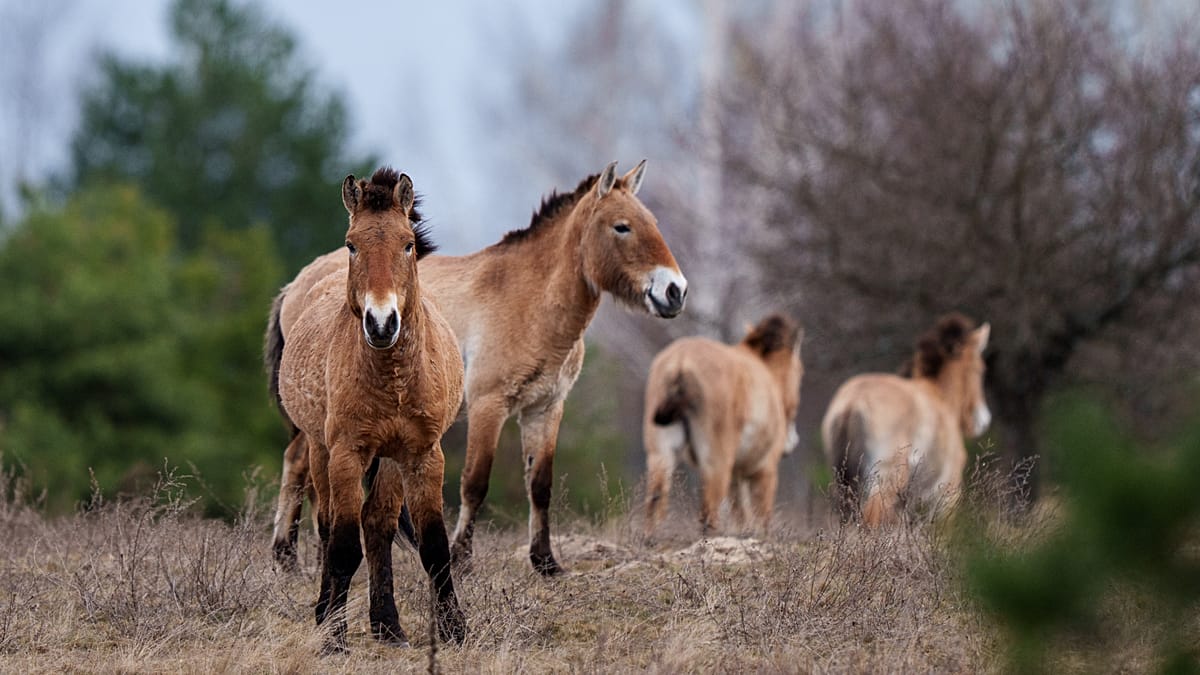
Przewalski's horses, stocky and sand-coloured, now graze freely across the radioactive landscape. Native to Mongolia and once declared extinct in the wild in 1969, these horses—known as 'takhi' in Mongolian, meaning 'spirit'—were introduced to the zone in 1998 as an experiment. They have 33 pairs of chromosomes, compared with 32 in domestic horses, and have proven remarkably adaptable. Denys Vyshnevskyi, the zone's lead nature scientist, calls their presence 'something of a small miracle.'
The horses live in small social groups, typically one stallion with several mares and their young, alongside separate bands of younger males. Hidden cameras have captured them seeking shelter in crumbling barns and deserted homes, using these structures to escape harsh weather and insects. Florian Drouard, an operations manager at a reintroduction program in France's Cévennes National Park, notes that the species 'has shown that with proper preparation, a species kept in captivity can regain the social and ecological behaviors needed to live freely.'
Wildlife Recovery and New Threats
Beyond the horses, the exclusion zone has seen a broader resurgence of wildlife. Wolves now prowl the vast no-man's-land that spans Ukraine and Belarus, and brown bears have returned after more than a century. Populations of lynx, moose, red deer, and even free-roaming packs of dogs have rebounded. Vyshnevskyi observes that with human pressure gone, parts of the zone 'resemble European landscapes from centuries past.' Trees pierce abandoned buildings, roads dissolve into forest, and weathered Soviet-era signs stand beside leaning wooden crosses in overgrown cemeteries.
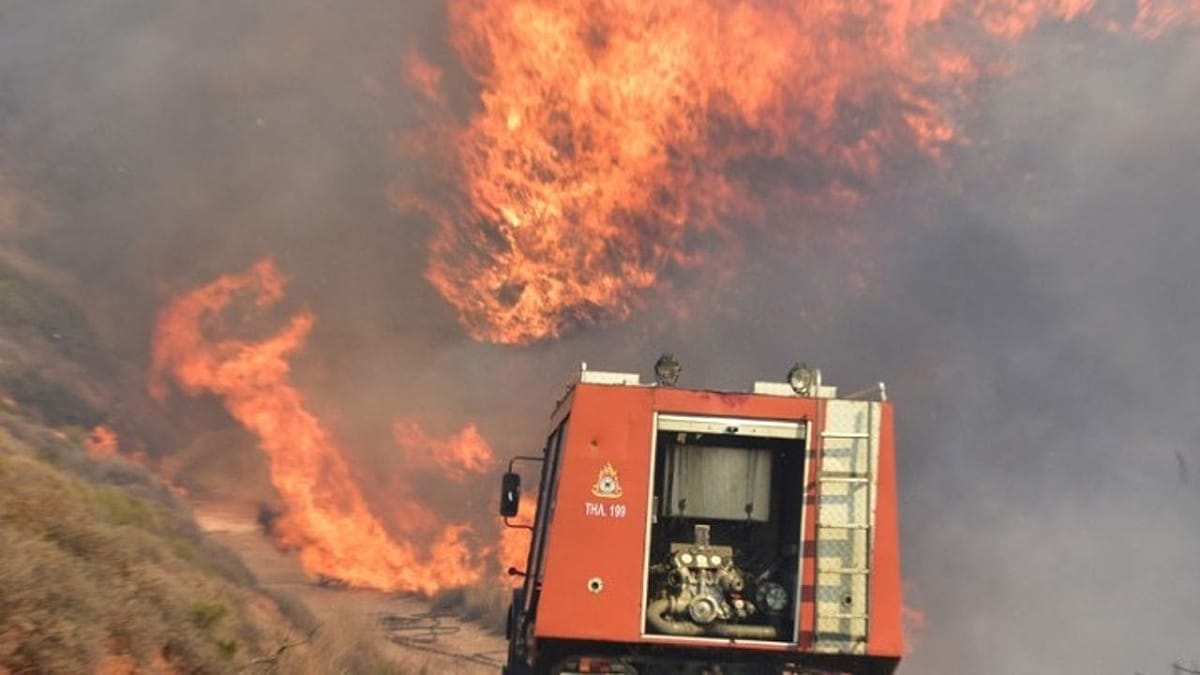
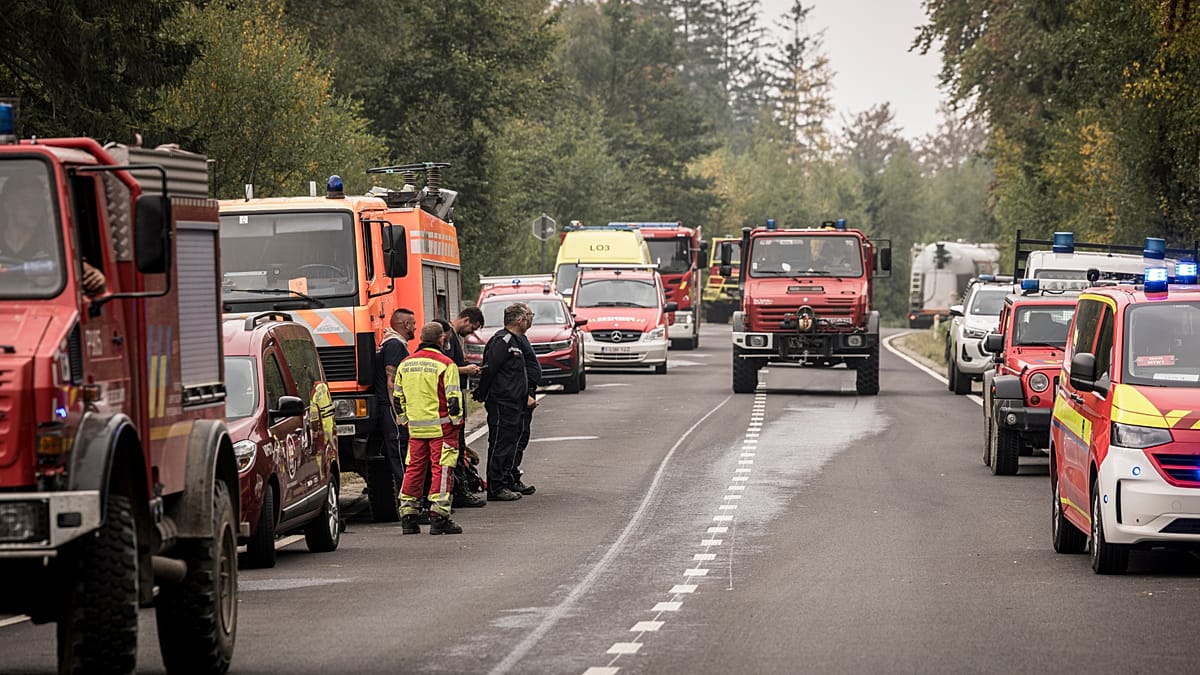
Despite persistent radiation, scientists have not recorded widespread die-offs among animals. However, subtler effects are evident: some frogs have developed darker skin, and birds in higher-radiation areas are more likely to develop cataracts. The zone's status as a wildlife refuge is now complicated by new, human-induced threats. Russia's 2022 invasion brought fighting through the exclusion zone as troops advanced toward Kyiv, digging defences into contaminated soil. Fires linked to military activity have swept through forests, and damage to the power grid has left surrounding managed areas without resources, leading to increases in fallen trees and dead animals. Oleksandr Polischuk, who leads a firefighting unit in the zone, says most fires are caused by downed drones, and his team sometimes has to travel dozens of kilometres to reach them. These fires can send radioactive particles back into the air.
Today, the zone is no longer just an accidental refuge for wildlife. It has become a heavily monitored military corridor, marked by concrete barriers, barbed wire, and minefields—a landscape of what some describe as grim beauty. Personnel rotate in and out to limit radiation exposure. Chornobyl is likely to remain off-limits for generations, too dangerous for people yet full of life. As Vyshnevskyi puts it, 'This land was once heavily used—agriculture, cities, infrastructure. But nature has effectively performed a factory reset.'
The story of Chornobyl's wildlife recovery echoes broader European efforts to restore ecosystems, such as the Paris wildlife hospital that treats over 10,000 animals injured by human activity. It also underscores the continent's ongoing challenges with energy and environmental policy, as European leaders face a critical energy reset amid global tensions.