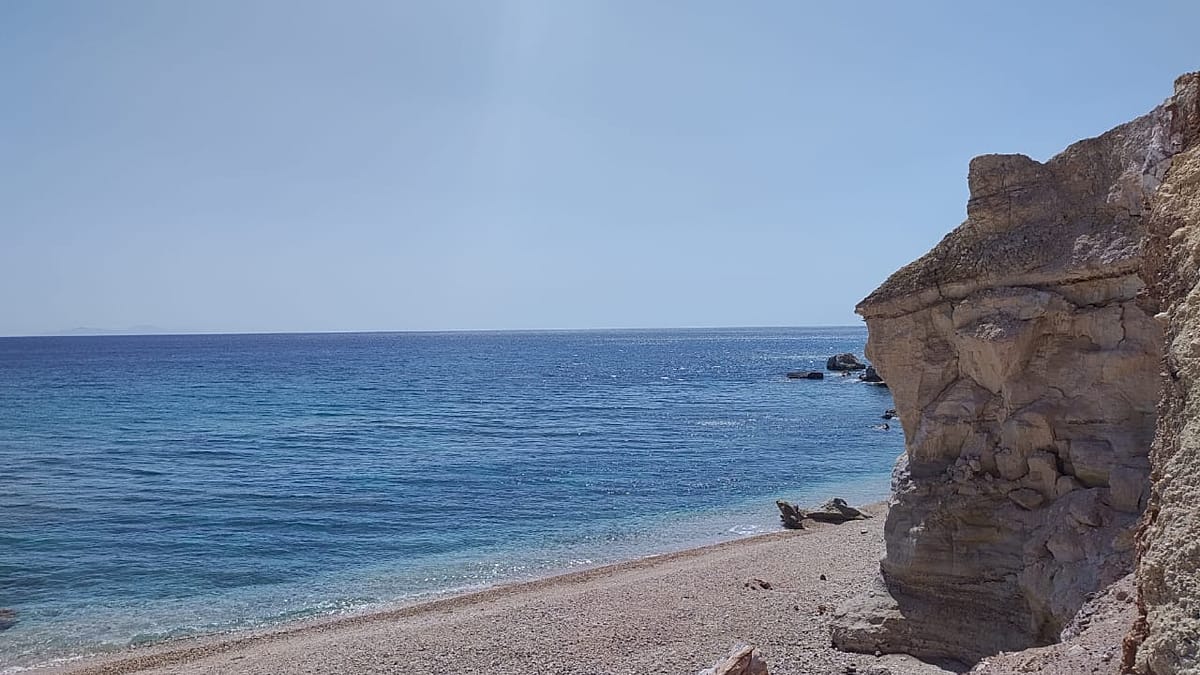
Greece is taking a firm stand against the creeping commercialization of its coastline. This year, the Greek Environment Ministry has declared 251 beaches off-limits to any form of construction, including hired sunbeds, umbrellas, and even temporary wooden structures. The decision marks a significant escalation in the country's efforts to preserve its natural heritage.
The ministry stated that the ban targets beaches of "special aesthetic, geomorphological and environmental importance." These areas include many marine NATURA 2000 sites, Europe's network of protected habitats. By prohibiting the transfer of seashore use and any activities that could alter the natural form or ecological functions of these beaches, Athens is sending a clear signal: conservation takes precedence over commercial exploitation.
Part of a Broader Strategy
This initiative is not an isolated measure. It is part of a wider strategy to limit uncontrolled tourism development and promote more sustainable management of the Greek coastline. Pressures on coastal ecosystems have intensified due to booming tourism and the effects of climate change, such as rising sea levels and increased erosion. The ban complements other environmental actions, such as the push by Greek chefs and WWF to encourage diners to eat invasive fish species as a climate adaptation measure.
The list of protected beaches now includes a greater number of sites under the marine NATURA 2000 programme, which subjects them to a more stringent protection regime. In these zones, no interventions or activities that could harm ecological functions are permitted. This aligns with broader European trends: for instance, Kazakhstan has expanded its protected lands to rival Italy in size, boosting eco-tourism across the continent.
For travelers, this means that popular spots like Achivadolimni on the island of Milos will remain free of the usual rows of sunbeds and umbrellas. Instead, visitors will find untouched sand and sea, a rare commodity in the Mediterranean's most touristed corners. The ban applies to both public and private operators, ensuring consistent enforcement.
The move has been welcomed by environmental groups, who argue that Greece's beaches have suffered from decades of overdevelopment. However, some local businesses have expressed concern about potential revenue losses. The government has countered that sustainable tourism will ultimately benefit the economy by preserving the very attractions that draw millions of visitors each year.
As Europe grapples with the dual challenges of overtourism and climate change, Greece's decision serves as a model for other member states. The European Commission has long advocated for integrated coastal zone management, and this policy directly supports those goals. It also underscores the importance of the NATURA 2000 network, which spans all 27 EU countries and protects vulnerable species and habitats.
In practical terms, the ban means that from this summer onward, 251 Greek beaches will be free of commercial clutter. For the informed traveler, this is an opportunity to experience the coastline as it has existed for centuries—wild, unspoiled, and resilient. For policymakers, it is a reminder that environmental protection and economic vitality can go hand in hand.