Brussels is hosting a crucial round of negotiations this week as EU leaders attempt to agree on the bloc's next long-term budget, covering the period from 2028 to 2034. European Council President António Costa is pushing for a political agreement by the end of the year, but the 27 member states remain split over the overall size of the budget and how to finance it.
The talks come at a time of heightened geopolitical tension, with the war in Ukraine entering its third year and defence spending climbing the agenda. At the same time, farmers across the continent are demanding continued support, while citizens in capitals from Paris to Warsaw are grappling with soaring housing costs and energy prices. These competing pressures are forcing a difficult trade-off: more money for security and agriculture, or more for social and climate policies.
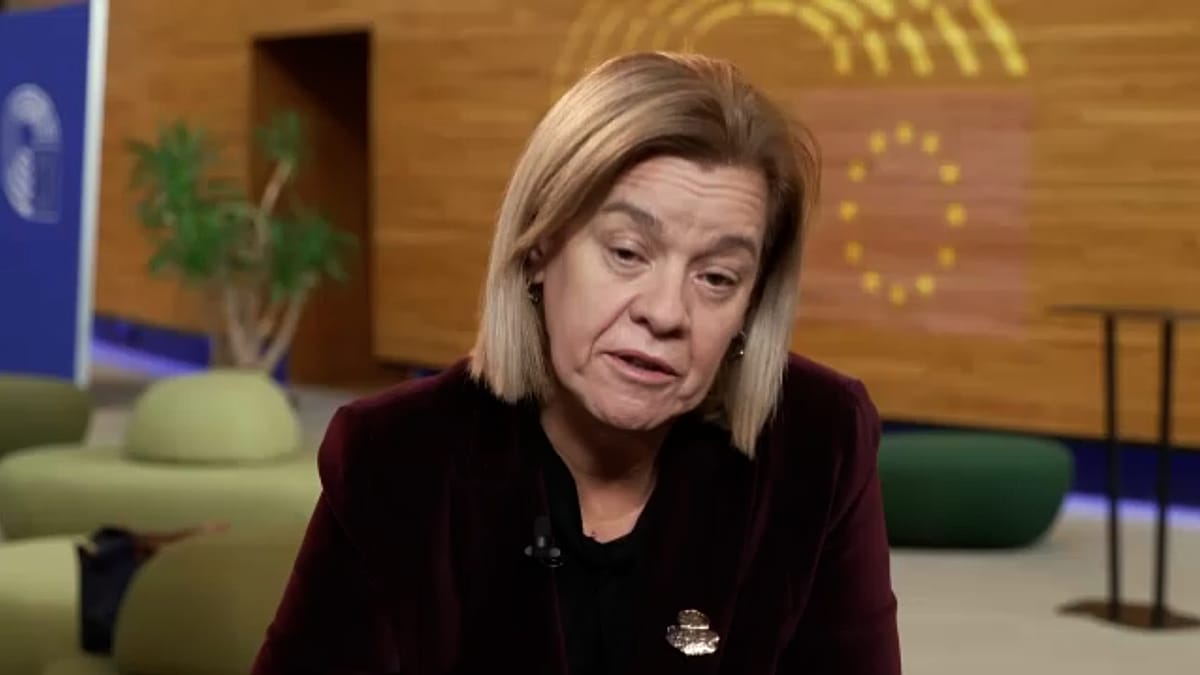
Portuguese Socialist MEP Carla Tavares, one of the European Parliament's chief negotiators on the budget, told Euronews that the size of the budget remains Parliament's biggest concern. She welcomed progress on new sources of EU revenue, including a possible levy on large technology companies, but stressed that more needs to be done. “Without new revenue, we will have to scale back our plans,” she warned, adding that she is open to other innovative ways of raising funds.
New revenue streams under discussion
The European Commission has floated several options to fill the gap, including a digital levy, an extension of the emissions trading system, and a tax on financial transactions. Tavares said she is “open to all these possibilities” but insisted that the final package must be substantial enough to meet the bloc's ambitions. The Parliament has previously called for a budget equivalent to around 1.3% of EU gross national income, significantly higher than the current ceiling.
However, several net contributor countries, including Germany and the Netherlands, are resisting any increase in their national contributions. They argue that the EU should focus on spending more efficiently and prioritising existing programmes. This has created a familiar deadlock, with the so-called “frugal four” – Austria, Denmark, the Netherlands, and Sweden – pushing for a smaller budget.
Meanwhile, the European Parliament has warned that it will not approve a budget that fails to meet the bloc's needs. In a recent resolution, MEPs urged Council President Costa to secure a deal that ensures “a stronger, more resilient Union.” The Parliament's stance is crucial because it must give its consent to the final agreement.
Defence and Ukraine at the forefront
One of the most contentious issues is defence spending. The EU has already committed billions in military and financial aid to Ukraine, and leaders are under pressure to maintain that support. But some member states, particularly those closer to Russia, are calling for a more robust European defence posture. The ongoing budget negotiations have been complicated by these demands, as well as by disagreements over farm subsidies.
Farmers, who have staged protests across Europe in recent months, are watching the talks closely. The Common Agricultural Policy (CAP) accounts for a significant share of the EU budget, and any cuts would be met with fierce resistance from agricultural lobbies. At the same time, the bloc is committed to green transition goals, which require substantial investment in sustainable farming practices.
The housing and energy crises are also high on the agenda. Many member states want the EU to play a bigger role in tackling these issues, but the budget constraints make that difficult. Tavares acknowledged the challenge, saying that “we need to be realistic about what we can achieve with the resources available.”
As the negotiations continue, the clock is ticking. Costa hopes to present a compromise proposal by December, but the divisions run deep. If no deal is reached, the EU would have to operate on a provisional budget, which would severely limit its ability to launch new initiatives.
The outcome of these talks will shape the EU's priorities for the next seven years. With the war in Ukraine, the climate crisis, and social pressures all demanding attention, the stakes could not be higher. Tavares summed up the mood: “We cannot promise more than we can deliver. But we must deliver what we promise.”



