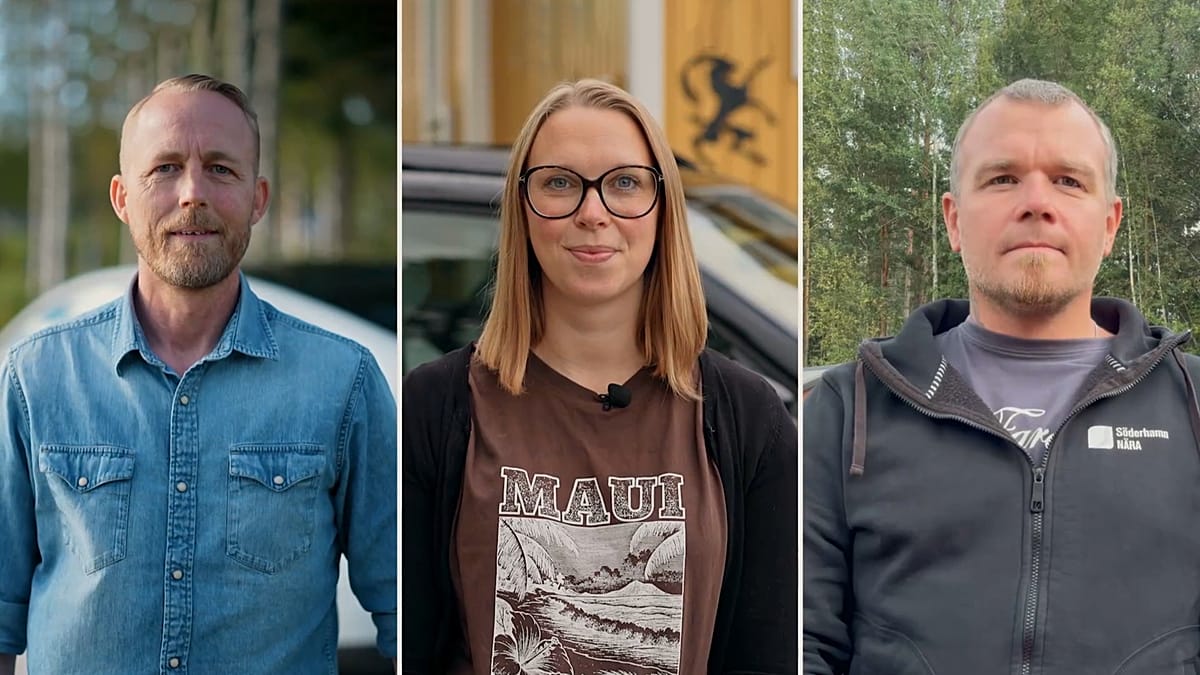
For years, Olivia Almquist, a project manager in rural Sweden, viewed electric cars with deep suspicion. “I couldn't understand why people bought electric cars, because it didn't look like it was trustworthy,” she recalls. But after replacing her unreliable 30-year-old petrol car with an electric model, her perspective has flipped: “And now I can't understand why not everyone is buying an electric car.”
Almquist is one of thousands of Swedes benefiting from a government initiative designed to make electric mobility accessible to those who need it most. The scheme, which launched in March, offers eligible rural residents on lower incomes up to €120 per month toward leasing an electric vehicle, plus a one-off €1,600 bonus for the lowest earners. To qualify, applicants must earn less than 80% of the national average wage, live outside major urban centers, and choose a car priced between €6,000 and €40,000.
Substantial savings for high-mileage drivers
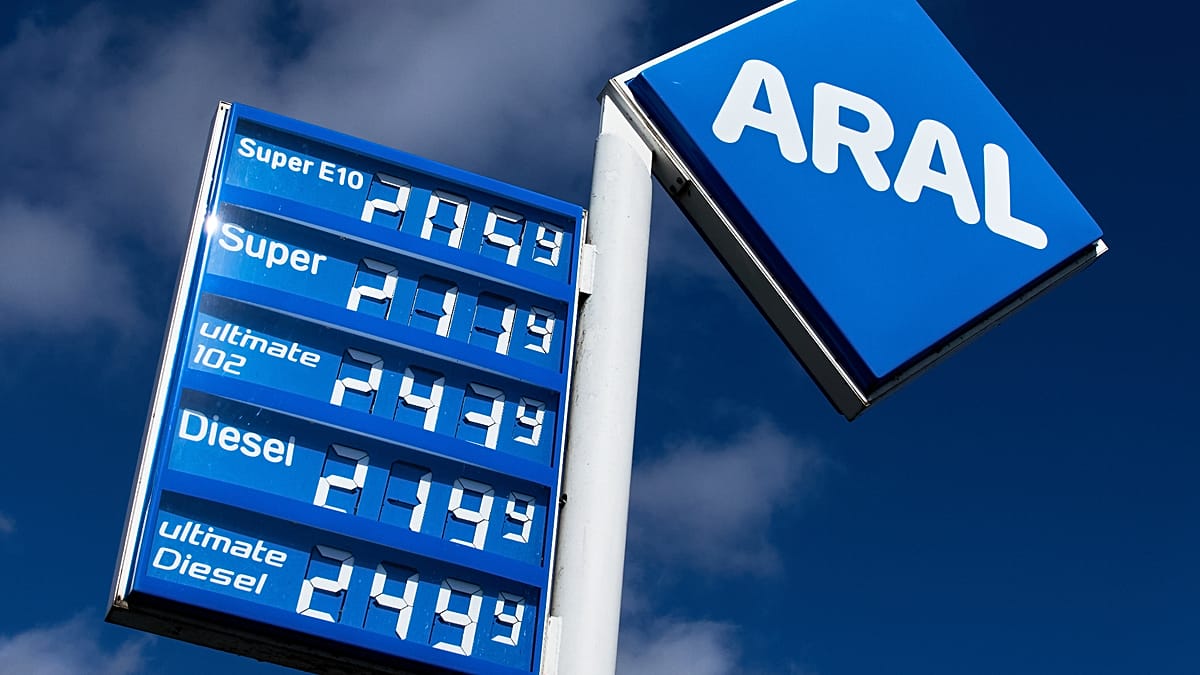
For social worker Daniel Caldeman, who covers 65,000 kilometres a year, the financial impact has been transformative. His monthly fuel bill has dropped from around €800 to just €150 for charging. “I like being eco-friendly and I think about not polluting the environment,” he says, “so yeah, it was a factor, but I think that the main factor was economics for me.”
The scheme is backed by €400 million from the EU's Social Climate Fund, which is financed through carbon taxes collected under Europe's Emissions Trading System. That fund is part of a broader EU effort to ensure that the green transition does not leave behind households that are most vulnerable to energy and transport costs. Similar pressures are visible elsewhere on the continent, as rural French businesses struggle with rising energy costs linked to geopolitical tensions.
Since its launch, the Swedish initiative has drawn more than 20,000 applications. According to the Swedish Environmental Protection Agency, nearly 90% of purchases are second-hand vehicles, reflecting the scheme's focus on affordability and sustainability. Officials aim to eventually help 115,000 households move away from fossil fuels.
The program is part of a wider Scandinavian push toward electrification, but it stands out for its explicit targeting of rural and lower-income drivers—groups often overlooked in the EV transition. In Sweden, where distances are long and public transport is sparse in many areas, car ownership is not a luxury but a necessity. The scheme acknowledges that reality by making electric cars a viable option for those who might otherwise be priced out.
For Almquist, the shift has been about more than just economics. “It's a completely different driving experience,” she says. “Quiet, smooth, and reliable. I don't miss the petrol station at all.” Her initial skepticism has given way to advocacy, and she now encourages friends and neighbours to consider making the switch.
The EU's Social Climate Fund, which finances such schemes, is a key pillar of the bloc's climate strategy. It is designed to channel revenues from carbon pricing into measures that reduce emissions while protecting citizens from energy poverty. Sweden's electric car premium is one of the first large-scale uses of the fund, and its early success could serve as a model for other member states.
However, challenges remain. The scheme's income cap and rural requirement mean that many urban drivers are excluded, and the used EV market is still developing. Yet officials are optimistic that the program will expand, especially as battery prices continue to fall and charging infrastructure spreads beyond city limits.
For now, the results speak for themselves: thousands of Swedish households have cut their transport emissions and their fuel bills. As Caldeman puts it, “It's a win-win. I save money, and I feel better about my impact on the planet.”