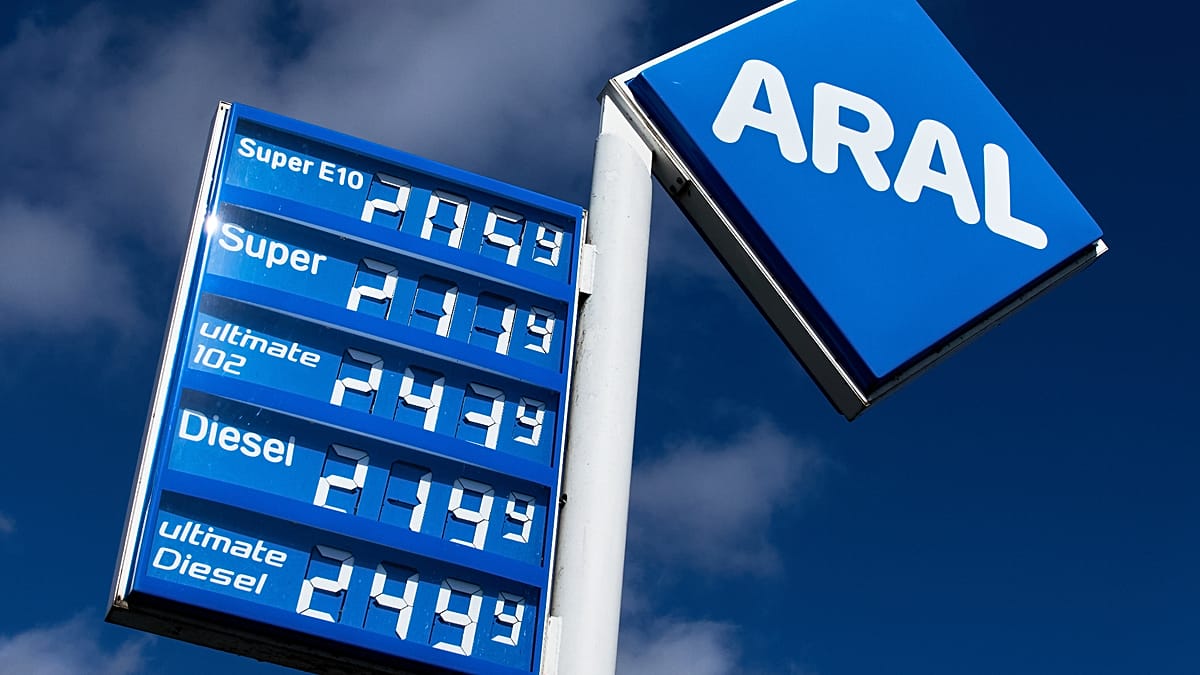
The average price of diesel at filling stations across the European Union has climbed to a fresh record of €2.24 per litre, according to data released by the European Commission on Thursday. That compares with €1.59 per litre in February, before the outbreak of the war in the Middle East triggered a series of supply disruptions.
Twelve member states recorded their highest-ever diesel prices, including Belgium, Italy, Romania, and Poland, as reported by AFP. The relentless rise is squeezing household budgets across the continent. A new analysis by Euronews shows that filling a 50-litre tank now costs the equivalent of more than 15% of the gross monthly minimum wage in Bulgaria.
Regional disparities and record highs
The latest figures from the Commission's Weekly Oil Bulletin reveal significant variation across the bloc. Diesel, the primary fuel for road freight and agricultural machinery, now exceeds €2.50 per litre in Denmark, the Netherlands, and Finland, while Germany sees an average of €2.44.
In Belgium, where prices hit a record, diesel averaged €2.43 per litre on Monday, up from €2.39 the previous week. Italy saw a seven-cent jump to €2.35 per litre. French stations, excluding overseas territories and Corsica, charged an average of €2.37 per litre, a slight decline from the prior week.
Across the EU as a whole, prices rose by an average of one cent per litre over the past seven days.
Taxes and subsidies
The Commission's data includes taxes, which vary by country and account for an average of 40% of the pump price across the bloc. However, the figures do not reflect targeted subsidies, such as the assistance France provides to high-mileage drivers.
The EU average is weighted according to each country's fuel consumption in 2024. In February, before the US-Israeli strikes on Iran sparked the conflict, the average stood at €1.59 per litre.
Since then, fuel prices have been driven upward by the effective closure of the Strait of Hormuz, a vital waterway for Gulf fossil fuels, followed by a Houthi blockade of Saudi exports in the Red Sea and Ukrainian strikes on Russian refineries. Diesel margins were expected to peak in October, according to industry analysts.
The sustained cost pressure comes as European governments grapple with broader fiscal challenges. France, for instance, recently unveiled an austerity budget as its public debt hits record levels, while Italy has extended fuel tax cuts to May to cushion the blow for consumers. Meanwhile, the EU heads into winter with thin gas reserves and high prices, adding to the energy cost burden.
For many Europeans, the pump price is a daily reminder of the continent's vulnerability to external shocks. As diesel taxes vary widely across Europe, the impact of these record prices is unevenly felt. In Portugal, where fuel prices have also topped €2, the burden is particularly acute, as who bears the brunt of the surge becomes a pressing political question.
The situation has also drawn attention from Washington, which is pressing Europe to tap more oil reserves to ease the pressure. Yet with no immediate end to the supply disruptions in sight, European drivers and businesses face a winter of expensive fuel.