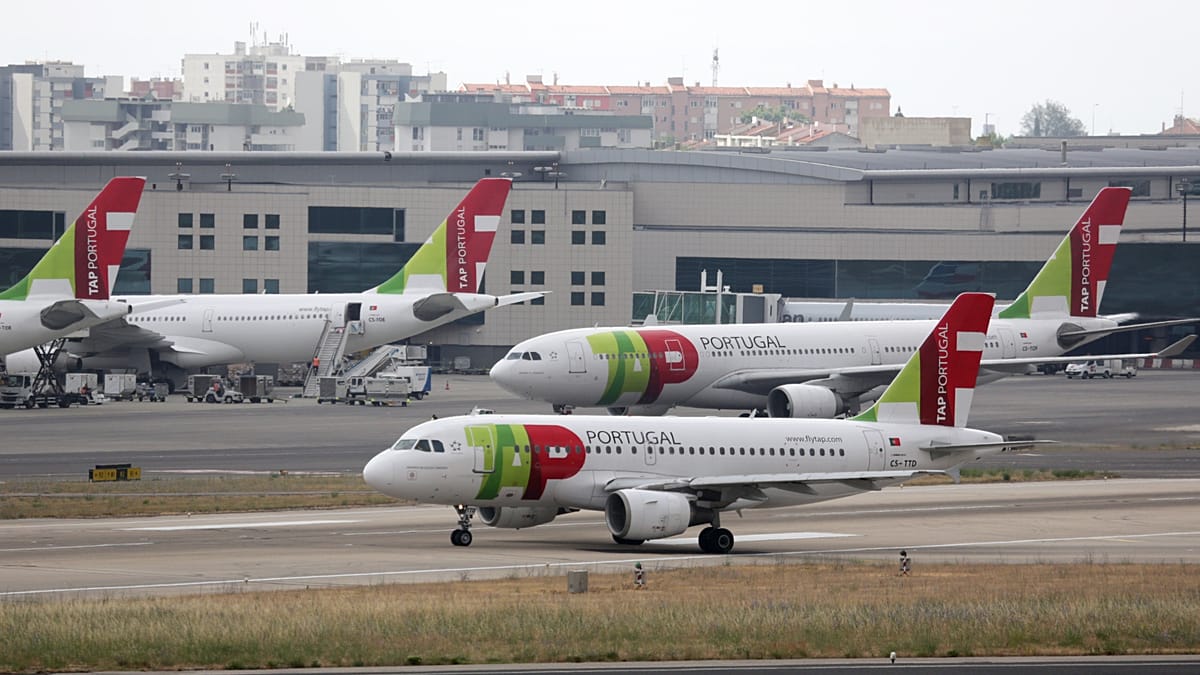
The race to acquire a minority stake in Portugal's flag carrier TAP Air Portugal has entered its final stretch. On Wednesday, both Air France-KLM and Lufthansa submitted their binding offers to Parpública, the state holding company that manages the Portuguese government's shareholdings. The bids close the formal bidding phase, leaving the decision in the hands of Lisbon.
The two European airline groups had already presented initial offers on 29 July, and Wednesday's deadline was set for them to improve those proposals. Parpública said in a statement that it will now prepare a detailed report assessing the final merits of each bid, which will be forwarded to the ministers responsible for finance and air transport. The government has up to 15 days to make its choice.
Strategic visions for TAP
Air France-KLM reiterated its ambition to acquire up to 49.9% of TAP, exceeding the 44.9% stake initially on offer. The group's CEO, Benjamin Smith, said in a statement that "interest in TAP is stronger than ever." He added that the revised proposal is "the best way forward for TAP, for its management, its employees and its customers, as well as for Portugal."
Smith emphasised that the offer includes an "ambitious long-term strategic plan" designed to "better position TAP for the future and safeguard Portugal's connectivity and sovereignty." He also highlighted that, if chosen, TAP would become the group's exclusive hub in Southern Europe, with Lisbon as its focal point, promising greater connectivity and job creation across the country.
Lufthansa, for its part, stressed that its proposal reflects its "proven track record of successfully developing network airlines." The German group argues it is "the best partner to support TAP's future growth, strengthen its competitiveness and continue to develop its role as Portugal's flag carrier."
The final bids outline financial and strategic terms, including planned investment, fleet development, commitments in maintenance and sustainable aviation fuels, and respect for labour obligations. The evaluation will weigh these factors carefully.
The privatisation process has always included an optional negotiating phase, allowing bidders to refine their offers before the final selection. Beyond the government's decision, the chosen investor will still need approval from the Council of Ministers and clearance from European competition authorities. The sale also reserves 5% of TAP's shares for employees, with any unsubscribed portion available to the winning bidder.
The outcome will have significant implications for Portugal's aviation sector and its connectivity with the rest of Europe and beyond. As the continent's airlines consolidate, the choice between the Franco-Dutch and German groups will shape TAP's future role in the European market. The decision is expected within weeks, and both contenders have made clear they see TAP as a strategic asset worth securing.