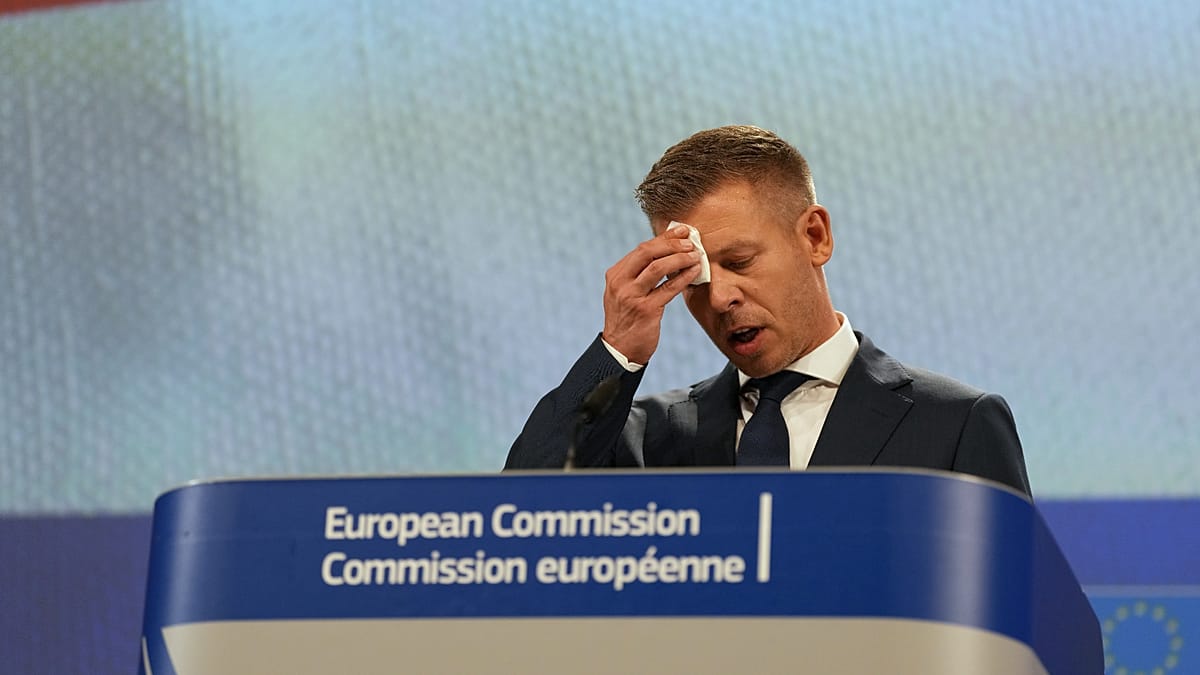
Brussels has formally ended the rule-of-law conditionality mechanism that had frozen billions in EU funding for Hungary since 2022. The decision, taken by the Council of the EU, unlocks €4.2 billion and restores Budapest's participation in the Erasmus+ student exchange programme and the Horizon Europe research initiative.
The mechanism was introduced under the previous government of Viktor Orbán, after the European Commission found systemic corruption risks in Hungary's public procurement and judicial independence. The move marked the first time the EU had used its budget as a lever to enforce democratic standards, a tool that has since been applied to other member states.
Following the landslide victory of the centre-right Tisza Party in the 2026 elections, Prime Minister Péter Magyar committed to a series of anti-corruption and transparency measures. These reforms, agreed with European Commission President Ursula von der Leyen, paved the way for the release of a total of €16.4 billion in frozen funds.
"A new chapter starts today. For Hungary and for Europe," von der Leyen wrote on social media, hailing the progress made under the new government.
What the unfreezing means
The €4.2 billion now released comes from the EU's cohesion and structural funds, which support infrastructure, regional development, and social projects. Hungary had been cut off from these resources since December 2022, when the Council activated the conditionality mechanism.
Beyond the immediate release, Hungary is also applying for €10 billion from the EU's post-pandemic recovery and resilience facility. An additional €2.2 billion remains tied to improvements in academic freedom, a condition Budapest says it has already met.
At the end of August, the Hungarian government declared that all conditions had been fulfilled. The European Commission is currently assessing whether the requirements are genuinely satisfied, with a decision expected in the coming weeks.
The restoration of Erasmus+ and Horizon Europe is particularly significant for Hungarian students and researchers, who had been excluded from these programmes since 2022. Universities in Budapest, Szeged, and Debrecen are expected to rejoin European academic networks, boosting collaboration and mobility.
The move also signals a broader thaw in EU-Hungary relations. Under Orbán, Budapest frequently clashed with Brussels over judicial independence, media freedom, and migration policy. The new government has pledged to align more closely with EU norms, and the unfreezing is seen as a tangible reward for those efforts.
However, some observers caution that the reforms are still being tested. The Commission's ongoing assessment will determine whether Hungary's commitments translate into lasting change, particularly in areas like judicial appointments and anti-corruption enforcement.
The decision comes as the EU continues to grapple with rule-of-law challenges in other member states, including Poland and Romania. The conditionality mechanism, once controversial, is now a standard tool in Brussels' arsenal, and its application to Hungary has set a precedent for how the bloc can protect its budget from misuse.
For Hungary, the unfreezing is a major economic boost. The €4.2 billion will support public investment projects that had been put on hold, potentially stimulating growth in a country that has faced inflation and fiscal pressures. The recovery funds, if approved, could provide an additional lifeline.
As the Commission completes its review, all eyes will be on Budapest to see whether the new government delivers on its promises. The stakes are high: not just for Hungary's finances, but for the credibility of the EU's rule-of-law framework.