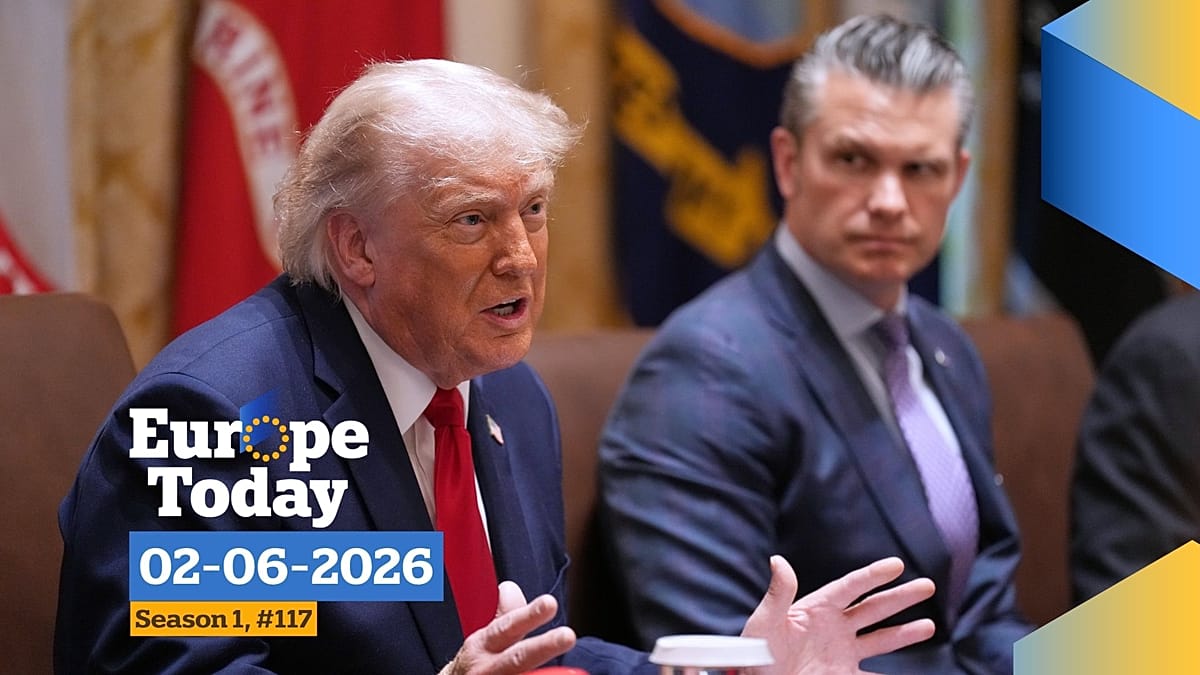
The European Union has approved a controversial migration law that permits member states to establish return hubs in third countries, marking a significant shift in the bloc's approach to irregular migration. This decision, which introduces the toughest deportation rules in decades, has drawn sharp reactions from human rights groups and some member states, while others see it as a necessary step to manage migration flows.
EU Migration Law: Return Hubs and Deportation Rules
The new legislation, detailed in EU Approves Controversial Return Hubs and Toughest Deportation Rules in Decades, allows member states to send rejected asylum seekers to designated centers outside the EU. Proponents argue this will deter illegal crossings and streamline deportations, but critics warn it could violate international law and human rights standards. The law also accelerates deportation procedures and expands the list of countries considered safe for returns.
European Parliament member Charlie Weimers, from the European Conservatives and Reformists, defended the measure, stating that it addresses a long-standing gap in the EU's migration policy. However, opposition MEPs and NGOs have condemned the law, calling it a betrayal of European values. The debate reflects broader tensions within the EU over how to balance security concerns with humanitarian obligations.
US-Iran Peace Talks at Risk
Meanwhile, international diplomacy faces new strains as Iran threatens to end its ceasefire with the United States following Israel's military offensive in Lebanon. Despite these threats, former US President Donald Trump has insisted that peace talks "will go on," though the situation remains fragile. The escalation in Lebanon, including Israeli strikes on historic cities like Tyre, has prompted Iran to warn of new fronts, potentially destabilizing the region further.
The UN has called for restraint, as detailed in UN Calls for Restraint as Israel Pushes Into Lebanon and Iran Warns of New Fronts, but the risk of a broader conflict looms. For Europe, the implications are direct: instability in the Middle East could trigger new migration waves, disrupt energy supplies, and test the EU's diplomatic cohesion. The bloc has historically sought to mediate in the region, but its influence is limited amid competing interests.
European Perspectives and Reactions
Lebanese MP and former Deputy Prime Minister Ghassan Hasbani, interviewed on the program, highlighted the human cost of the conflict, noting that civilians in southern Lebanon are bearing the brunt of the violence. He called for European intervention to de-escalate tensions, but acknowledged the challenges given the EU's internal divisions.
In Brussels, the migration law has overshadowed other agenda items, with some member states pushing for even stricter measures. The law's approval comes as the EU also grapples with the fallout from Israel's actions in Lebanon, including France's demand for a UN Security Council meeting after the capture of Beaufort Castle. These events underscore the interconnectedness of European and Middle Eastern affairs.
As Europe Today explores these developments, the continent stands at a crossroads: balancing internal policy shifts with external crises. The coming weeks will test whether the EU can maintain its principles while adapting to a rapidly changing geopolitical landscape.