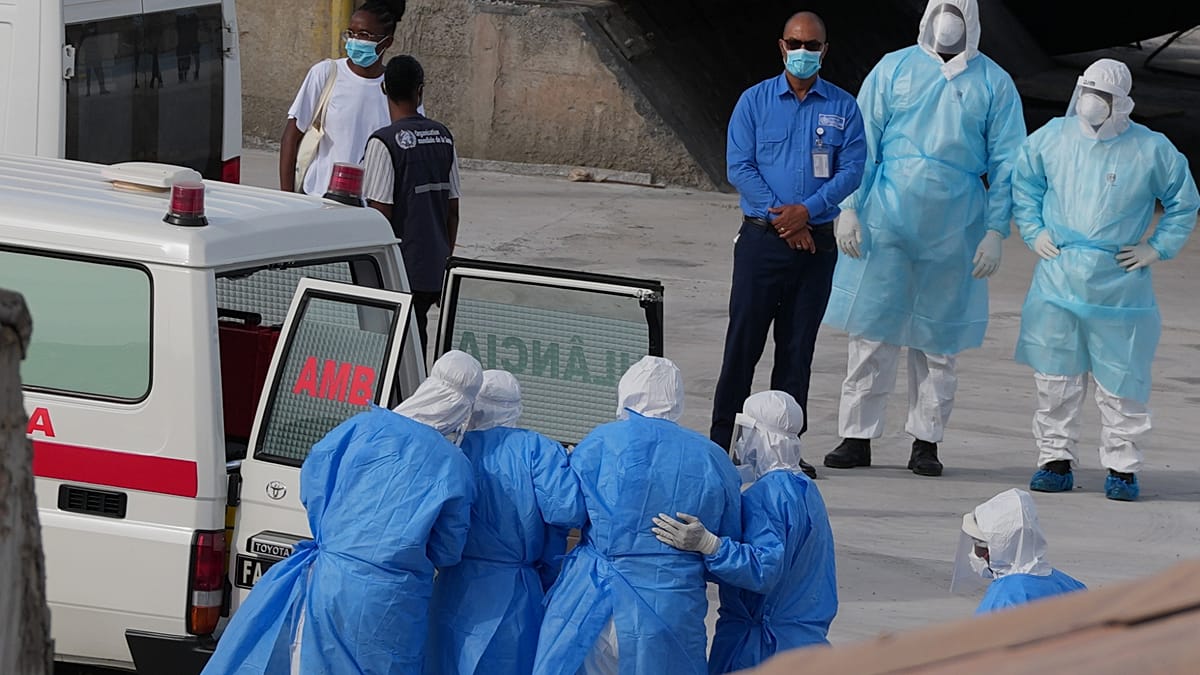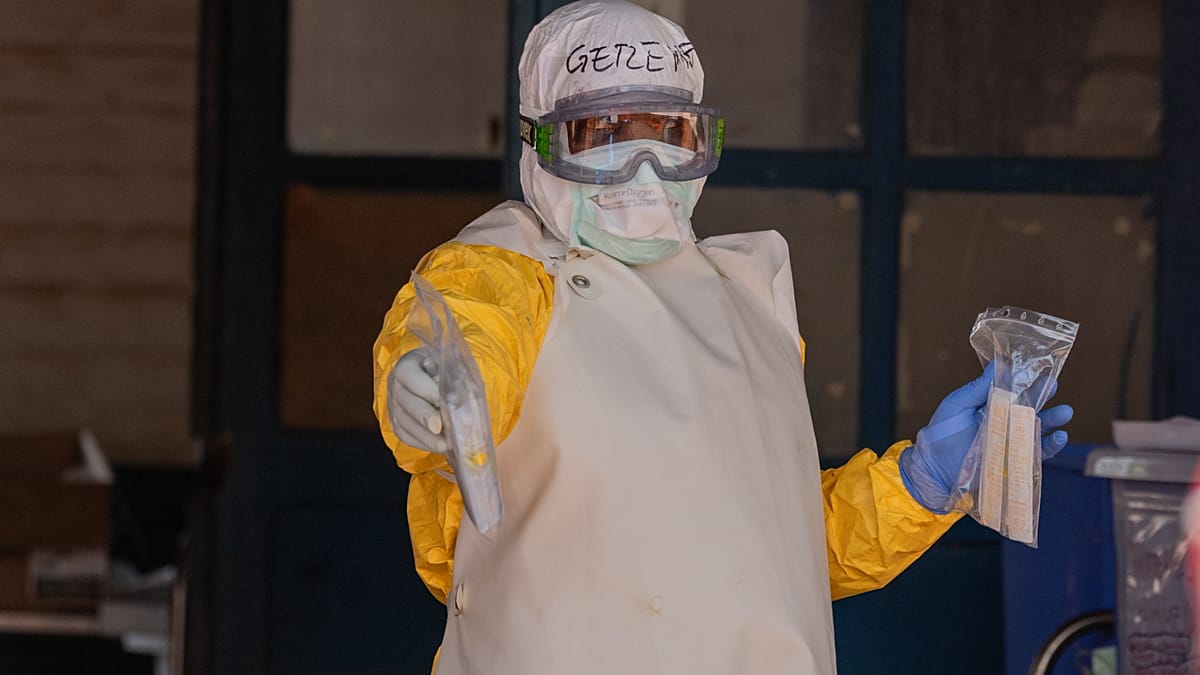
The European Union has announced an additional €5 million in funding to bolster efforts against the latest Ebola outbreak in the eastern Democratic Republic of the Congo, as European Commissioner for Crisis Management Hadja Lahbib visited the region on Sunday. Speaking at Bunia airport in Ituri province, a key logistics hub for the response, Lahbib stated that the funds would establish regional diagnostic centres in the most affected provinces.
The outbreak, which the World Health Organization has declared an international public health emergency, continues to accelerate across central Africa. Nearly 500 cases have been confirmed, according to the WHO, with 452 infections and 82 deaths reported in the DRC as of Saturday. Health experts warn that without robust containment, this could become one of the largest Ebola epidemics on record.
EU Response and Regional Challenges
“The European Union takes this emergency very seriously,” Lahbib said. “As soon as the outbreak began, we sprang into action and were on the ground very quickly to step up our support, and that commitment continues today.” The commissioner emphasized that the new funding would enable faster and more reliable testing, allowing health authorities to identify and isolate cases more swiftly.
The EU has already allocated €84 million to the crisis and mobilized humanitarian assistance. A recent UNICEF airlift delivered nearly 100 tonnes of emergency supplies, including medicines, tents, and protective equipment, to eastern DRC. Lahbib noted that five additional humanitarian flights are scheduled to arrive in Bunia in the coming weeks.
This is the 17th Ebola outbreak recorded in the region, underscoring the persistent threat posed by the disease in eastern Congo, where conflict, displacement, and fragile healthcare systems complicate containment. Lahbib recalled warning signs from a visit four months earlier: “When I was here four months ago, I felt that all the factors were in place due to the sanitary conditions, a healthcare system on its knees, an exhausted population, and a population constantly displaced by the fighting, for this epidemic to break out once again.”
The outbreak is unfolding amid ongoing insecurity in eastern DRC, where armed group violence has displaced large numbers and disrupted healthcare access. Lahbib urged all parties to respect international humanitarian law and ensure safe access for aid workers. “Respecting humanitarian law means respecting life,” she said. “Even in times of war, there are rules that must be observed.” She warned that infectious diseases do not respect conflict lines: “The virus pays no heed to borders or human disputes, and kills even faster than bullets.”
Concerns about regional spread have intensified after cases were detected in neighbouring Uganda, where authorities have reported 19 infections and two deaths. WHO Director-General Tedros Adhanom Ghebreyesus visited Uganda on Monday, praising its surveillance and border screening measures for helping to contain the virus. The EU’s latest funding aims to strengthen similar capacities across the region.
For more on the broader outbreak, see our earlier coverage: Ebola Cases Surpass 470 in Central Africa as WHO Warns of Potential Record Outbreak. The WHO has also recently revised case counts after testing clarifications, as reported in WHO Slashes DRC Ebola Case Count After Testing Clarifies Suspected Infections.