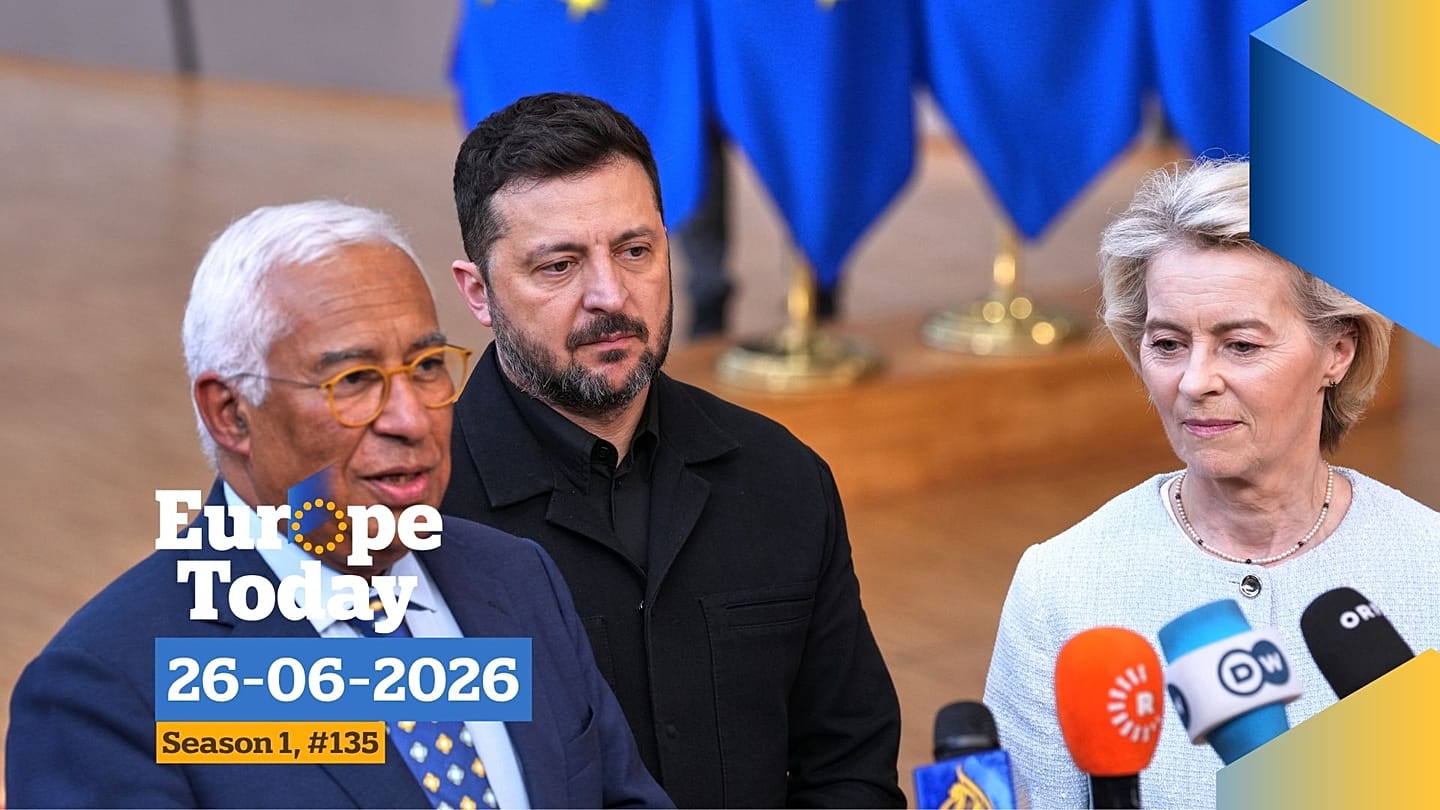
The European Union has disbursed €3.2 billion to Ukraine, marking the first instalment of a landmark €90 billion loan package designed to stabilise the country's economy and support its defence against Russian aggression. The payment, announced by the European Commission on Tuesday, comes as Kyiv continues to face severe budgetary pressures and infrastructure damage from the ongoing war.
This initial transfer is part of a broader EU commitment to provide long-term financial assistance, with further disbursements expected over the coming months. The loan is backed by frozen Russian assets held in European banks, a mechanism that has drawn both praise and legal scrutiny. The funds are intended to cover essential state expenditures, including salaries for public servants, pensions, and the maintenance of critical services such as energy and healthcare.
EU Solidarity Amid Geopolitical Uncertainty
The release of the loan underscores the bloc's determination to support Ukraine even as geopolitical dynamics shift. The United States, Ukraine's largest bilateral donor, is currently engaged in fragile talks with Iran over its nuclear programme, raising questions about Washington's capacity to maintain focus on European security. The US-Iran negotiations, which resumed in Vienna last week, have been complicated by Tehran's refusal to allow UN inspectors access to its nuclear enrichment sites. Iranian officials have publicly denied that any such visits are planned, contradicting earlier statements from the International Atomic Energy Agency (IAEA).
European diplomats have expressed concern that a breakdown in US-Iran talks could divert American attention and resources away from Europe, potentially weakening the Western alliance at a critical moment. The EU has therefore accelerated its own aid to Ukraine, seeking to reduce its reliance on US support. The €90 billion loan is the largest financial package ever offered by the EU to a non-member state, and it reflects a strategic shift towards greater European self-reliance in security and economic matters.
In parallel, the EU is also working to strengthen ties with Ukraine through bilateral agreements. At the recent Gdańsk Recovery Conference, officials discussed defence and energy pacts, though tensions between Warsaw and Kyiv over agricultural imports and historical grievances have complicated the relationship. The conference highlighted the delicate balance the EU must strike between supporting Ukraine and managing internal divisions among member states.
Iran Talks and Regional Implications
The US-Iran talks, which aim to revive the 2015 nuclear deal, have been further strained by Iran's enrichment of uranium to near-weapons-grade levels. The IAEA has reported that Iran now possesses enough enriched material to produce several nuclear bombs, should it choose to do so. The EU has urged both sides to reach a compromise, warning that a failure could trigger a broader Middle Eastern crisis. Analysts note that any escalation in the region could have direct consequences for Europe, including increased migration flows and energy price volatility.
The fragility of the US-Iran negotiations also affects European security architecture. A separate analysis has warned that a collapse of the talks could undermine the fragile peace between Israel and Lebanon, potentially drawing European powers into a new conflict. The EU has maintained diplomatic channels with Tehran, but its influence remains limited compared to Washington's.
Meanwhile, the EU's financial commitment to Ukraine is not without domestic challenges. Some member states, particularly Hungary and Slovakia, have expressed reservations about the scale of the loan, arguing that it could strain the bloc's own budget. The European Commission has defended the package, emphasising that the funds are sourced from frozen Russian assets and will not require additional contributions from national treasuries. Legal experts, however, caution that the seizure of Russian assets could face challenges in European courts, potentially delaying future disbursements.
As the war in Ukraine enters its third year, the EU's ability to sustain financial and military support will be tested. The €3.2 billion disbursement is a significant step, but it represents only a fraction of the total commitment. The bloc must also address broader economic disparities among its members, as highlighted by recent Eurostat data showing wide price disparities across EU member states, which could fuel political tensions over burden-sharing.
For now, the EU is pressing ahead with its support for Ukraine, even as the international landscape grows more uncertain. The outcome of the US-Iran talks will be closely watched in Brussels, where officials hope that a diplomatic solution can be found without further destabilising an already volatile region.