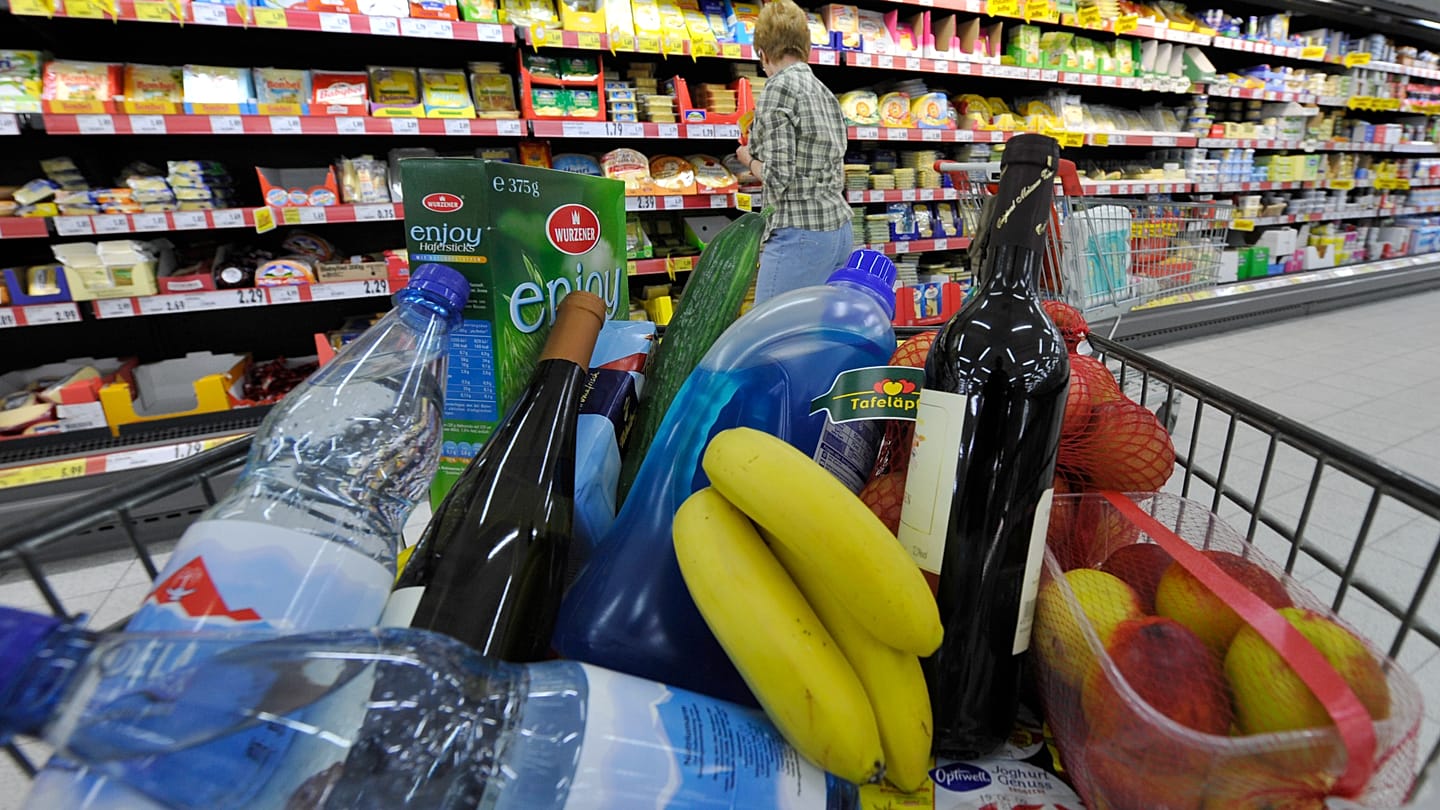
Consumer prices across Europe vary dramatically, with Iceland emerging as the most expensive country for everyday goods and services, while North Macedonia offers the lowest costs, according to new data from Eurostat. The figures, which compare price levels for a basket of household items, food, clothing, electronics, and services, underscore the economic diversity of the continent's twenty-seven member states plus the wider European neighbourhood.
Where Prices Are Highest
Iceland, though not an EU member, leads the ranking with price levels 66% above the EU average. Switzerland and Norway follow closely, with costs 61% and 52% higher respectively. Within the EU, Denmark, Ireland, and Luxembourg are the priciest, each exceeding the average by more than 30%. In contrast, Bulgaria, Romania, and Poland are the cheapest EU countries, with prices 40% to 50% below the bloc's mean.
The data also reveals significant variation in specific categories. For food and non-alcoholic beverages, Denmark is the most expensive, while Romania offers the best value. For clothing, Sweden tops the list, and Bulgaria is the most affordable. Electronics are priciest in Malta and cheapest in Hungary, reflecting differences in taxation, import duties, and market competition.
Eurostat's price level index, which uses the EU average as a baseline of 100, shows that even within the same country, costs can differ. For instance, Paris is notably more expensive than rural France, and Munich costs more than Berlin. This internal variation is partly driven by housing costs, which are not included in the consumer goods basket but heavily influence overall living expenses.
Why Prices Differ
Several factors explain these disparities. High-income countries like Iceland and Switzerland have stronger currencies, higher wages, and greater purchasing power, which push up prices. Conversely, lower-income nations in Eastern and Southern Europe benefit from lower labour costs and less expensive real estate, keeping consumer prices down. Tax policies also play a role: high VAT rates in Scandinavia and the Baltics raise prices, while lower rates in the Balkans and parts of Central Europe keep them competitive.
However, Eurostat cautions that price levels alone do not tell the full story. A country may be expensive in absolute terms but affordable relative to local incomes. For example, while Switzerland has high prices, its residents also earn some of the highest salaries in Europe, meaning their purchasing power remains strong. In contrast, a cheap country like North Macedonia may have low prices but also low wages, making everyday life a struggle for many.
The data comes as Europe faces broader economic challenges, including persistent inflation and the impact of recent heatwaves on agriculture and energy costs. The heatwave across southern Europe has driven up demand for cooling and fresh produce, potentially affecting prices in the coming months. Similarly, Iceland's resumption of fin whale hunting may influence local food markets, though the practice remains controversial.
For travellers and businesses, these price differences matter. A tourist from Berlin visiting Reykjavík will find their euro stretches less far, while a shopper from Skopje heading to Vienna will face sticker shock. Companies sourcing goods across borders must account for these variations when setting prices or planning supply chains.
Eurostat's report also highlights the impact of the COVID-19 pandemic and the war in Ukraine on price convergence. While the EU has long aimed to reduce economic disparities between member states, recent shocks have slowed progress. Energy prices, in particular, have diverged sharply, with countries like Spain and Portugal benefiting from lower natural gas costs due to their limited reliance on Russian imports, while Germany and Italy have faced higher bills.
Looking ahead, the European Central Bank's monetary policy will continue to influence price levels across the eurozone. Interest rate hikes aimed at curbing inflation may cool demand and moderate price increases, but they also risk slowing economic growth in weaker economies. For now, the data serves as a reminder of Europe's economic patchwork, where a coffee in Copenhagen costs four times what it does in Bucharest, yet both cities are part of the same continent.