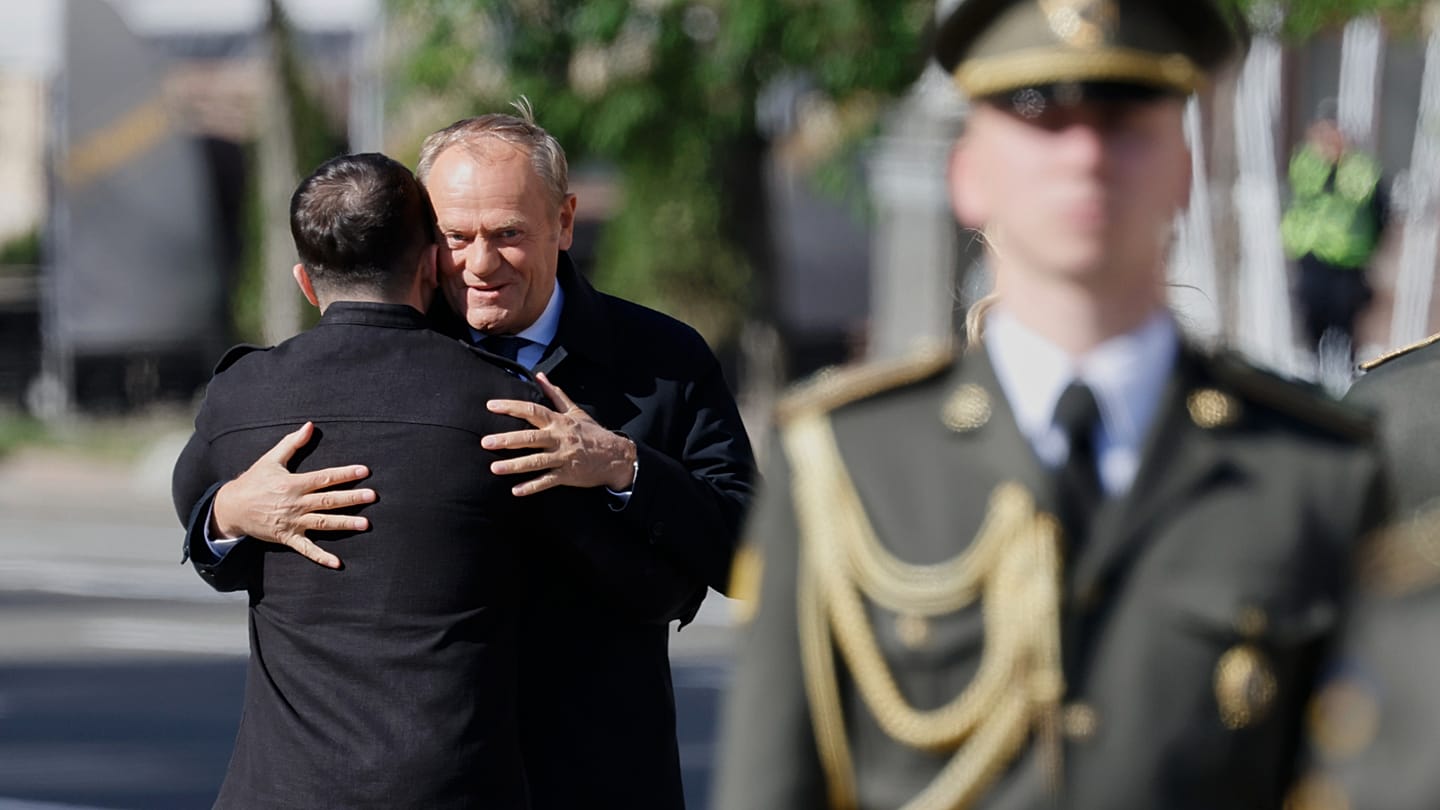
The Ukraine Recovery Conference, held this week in the Polish port city of Gdańsk, was intended to reaffirm international commitment to rebuilding the war-torn country. Instead, it exposed growing strains in the partnership between Kyiv and its European backers. The absence of several high-ranking Ukrainian officials, including President Volodymyr Zelenskyy, cast a shadow over the proceedings and raised questions about the depth of coordination between the two sides.
Diplomatic Friction and No-Shows
Poland, one of Ukraine's staunchest allies since the Russian invasion, had hoped the conference would showcase tangible progress on reconstruction projects. However, the Ukrainian government's decision to send a lower-level delegation was seen by some Warsaw-based diplomats as a snub. Tensions have been simmering for months over agricultural imports, historical grievances, and the pace of EU accession talks. The conference's sparse attendance from Kyiv underscored how bilateral relations have cooled since the initial solidarity of 2022.
For more on the context of these tensions, see our earlier report: Ukraine Recovery Conference Opens in Gdańsk Amid Poland-Ukraine Tensions.
Rutte's "Trump Trillion" Charts
Meanwhile, NATO Secretary General Mark Rutte, during a visit to the Oval Office, unveiled a series of charts he dubbed the "Trump Trillion" — a reference to the scale of US military aid to Ukraine under the Trump administration. The presentation was widely interpreted as an attempt to reassure European allies that Washington remains committed, even as domestic political battles in the US threaten future funding. Rutte emphasized that European NATO members have increased their own defense spending, but warned that without continued American support, Ukraine's ability to resist Russian advances could be severely compromised.
The timing of Rutte's remarks was notable, coming just days after Ukrainian drone strikes hit oil facilities in southern Russia and Crimea, as reported in Ukrainian Drones Hit Oil Facilities in Southern Russia and Crimea. These attacks demonstrate Kyiv's growing capacity to strike deep inside Russian territory, but they also risk escalating the conflict further.
Corruption Concerns in Malta
Back in Brussels, European Commissioner for Neighbourhood and Enlargement Olivér Várhelyi traveled to Malta to address persistent allegations of corruption within the country's institutions. The visit comes as the European Commission reviews Malta's compliance with rule-of-law benchmarks linked to its recovery and resilience plan. Critics argue that the island nation has made insufficient progress in prosecuting high-level corruption cases, particularly those connected to the 2017 murder of journalist Daphne Caruana Galizia. Várhelyi's trip is seen as a last-ditch effort to avoid freezing EU funds.
The broader context of EU recovery funding is also relevant: the Commission recently approved Hungary's revised €10 billion plan, as detailed in EU Commission Approves Hungary's Revised €10bn Recovery Plan as New PM Debuts at Summit. This decision has drawn criticism from MEPs who argue that Budapest has not done enough to address judicial independence and LGBTQ+ rights.
What the Conference Reveals
The Gdańsk conference, while not a failure, highlighted the fragility of the coalition supporting Ukraine. European leaders are increasingly concerned about war fatigue among their publics, while Kyiv's frustration with the slow pace of arms deliveries and financial disbursements is palpable. The absence of a unified roadmap for reconstruction — and the lack of a clear signal from Washington on future aid — leaves the partnership in a precarious state.
As the war enters its third year, both sides will need to manage expectations carefully. The recovery of Ukraine is not just a humanitarian imperative but a strategic one for Europe: a stable, prosperous, and democratic Ukraine is essential for continental security. Yet the path to that goal is littered with diplomatic landmines, as this week's events in Gdańsk, Washington, and Malta have made abundantly clear.