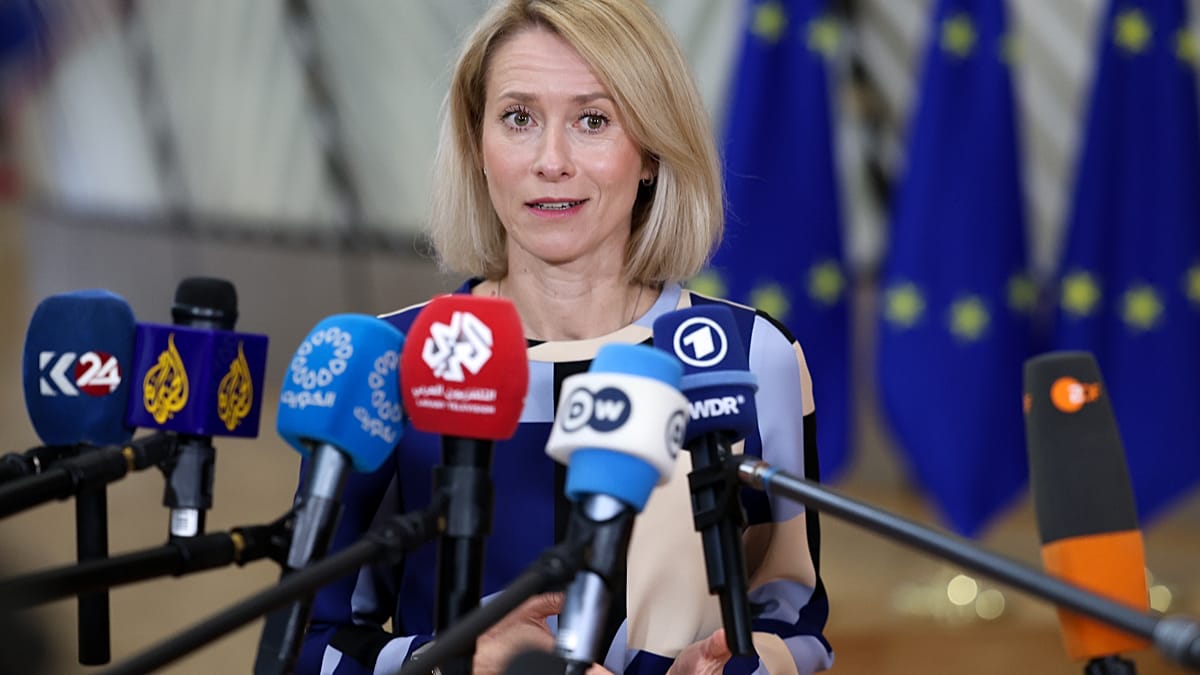
Speaking on the sidelines of the EU summit in Brussels, the bloc's top diplomat Kaja Kallas delivered a blunt assessment of the Trump administration's recent decision to permit Russian diesel imports into the United States. She described the move as a "gift to Putin" that undercuts the transatlantic unity painstakingly built around sanctions on Moscow.
"Every barrel of Russian oil that finds a market is a lifeline for the Kremlin's war machine," Kallas said, according to diplomats present. "When our closest ally opens its doors to Russian diesel, it sends a signal that we are not serious about holding Russia accountable." Her remarks echo concerns voiced by Italian Prime Minister Giorgia Meloni, who earlier called the deal very risky and a legitimisation of Moscow.
A blow to sanctions and European energy security
The deal, which allows Russian diesel to be sold in US markets despite existing restrictions, has sent ripples through European capitals. For months, the EU has worked to wean itself off Russian energy, imposing price caps and embargoes. The US move, critics argue, undermines that effort by providing Moscow with a steady revenue stream and creating a loophole that could be exploited by other buyers.
European energy analysts point out that the timing is particularly damaging. The International Energy Agency has already warned that diesel prices in Europe may climb as a global supply crunch persists. France has begun tapping its strategic diesel reserves to cut pump prices by €10 per tank, a sign of how stretched European supplies have become.
"The US is effectively competing with Europe for the same limited diesel cargoes," said Marta Jara, an energy markets analyst at the Brussels-based Bruegel think tank. "By allowing Russian product in, they are not only funding Putin but also distorting the global market in a way that hurts European consumers."
Divisions within the West
The deal has exposed fresh fault lines in the Western alliance. While the EU has maintained a hard line on Russian energy, the Trump administration has pursued a more transactional approach, prioritising lower domestic fuel prices over strategic coherence. Kallas's remarks reflect a growing frustration in European capitals that Washington is willing to sacrifice long-term security for short-term economic gains.
"This is not about trade policy; it is about the credibility of our collective deterrence," Kallas said. "If we allow exceptions for our own convenience, we cannot expect Ukraine to hold the line." Her comments come as Kyiv continues to endure relentless Russian strikes, including overnight attacks that killed one and wounded 20.
The EU's foreign policy chief also reiterated the bloc's commitment to supporting Ukraine, but warned that such support could be undermined if Western unity fractures. "We need to be clear-eyed: Putin is testing our resolve every day. Every concession we make is a gift to him," she added.
What happens next?
European leaders are now weighing their response. Some have called for formal protests to Washington, while others suggest the EU should accelerate its own energy independence measures. The European Commission is reportedly examining legal options to prevent Russian diesel from being re-exported into the EU via third countries.
For now, the deal remains in force, and its impact on European fuel prices is being closely monitored. But the political damage may be harder to repair. As one EU diplomat put it, "Trust is the currency of alliances, and this deal has just debased it."
The coming weeks will test whether the transatlantic partnership can absorb this shock, or whether it marks a turning point in how Europe views American reliability. For Kallas and many of her counterparts, the answer is clear: Europe must be prepared to act alone if necessary.