Italy's prime minister, Giorgia Meloni, used a speech to the Italian Parliament on Wednesday to deliver a blunt assessment of the Trump administration's agreement to purchase Russian diesel, calling it "a very risky choice" and "a legitimisation for Moscow while its bombs are still falling on Ukrainian cities". Her remarks, made in Rome ahead of a two-day European Council summit in Brussels, drew immediate praise from Kyiv and a caustic response from Moscow.
Meloni warned that the arrangement amounts to an "implicit weakening of the sanctions lever", undermining efforts by the United States and its allies to pressure Vladimir Putin into negotiations. She argued that the deal contradicts what has been done so far — including by Washington — to bring the Russian president to the table.
Kyiv's gratitude, Kremlin's scorn
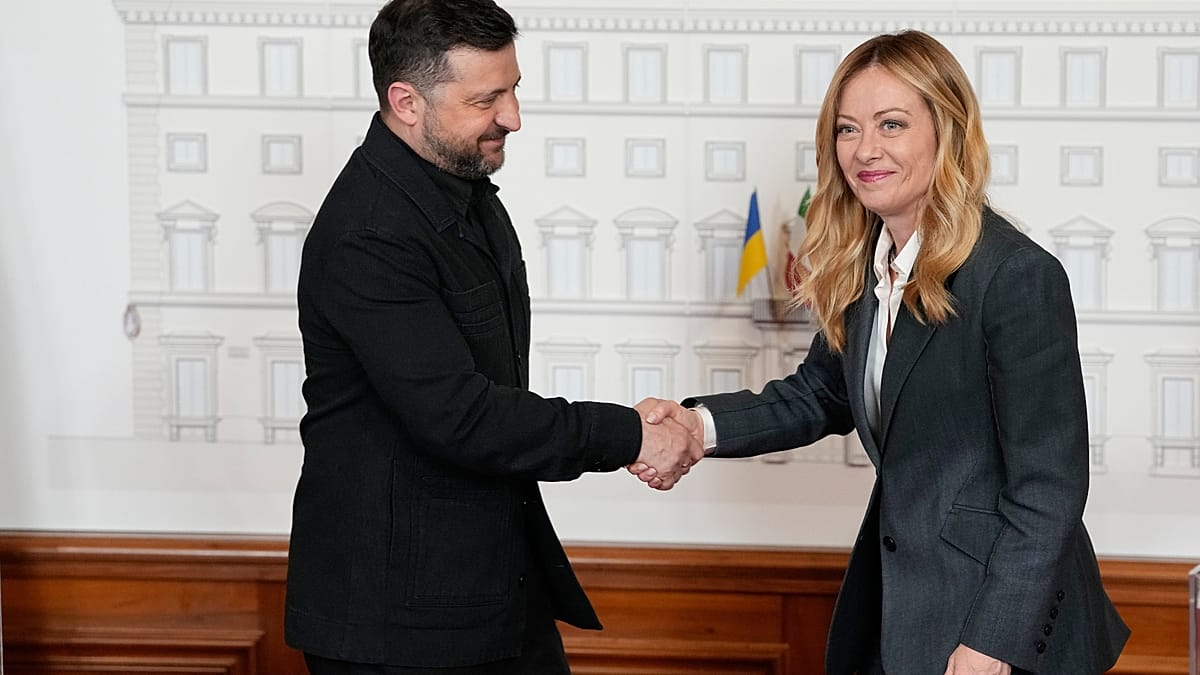
Ukraine's president, Volodymyr Zelensky, who was in London on Wednesday, thanked Meloni on X "for understanding who the aggressor is and what it means to build a dignified and lasting peace". In an interview in the United Kingdom, Zelensky said it was "painful that President Trump chooses a different side", alluding to what he described as insufficient US cooperation — including the alleged failure of the Starlink satellite network to provide data on incoming Russian missiles during recent attacks. The strikes have been relentless: Russian missile hits Kyiv power plant without allied warning, Zelensky has said, while overnight strikes on Kyiv have killed and wounded civilians.
Moscow's reaction was swift and dismissive. Russian foreign ministry spokeswoman Maria Zakharova told Italian media that Meloni's comments were "none of her business".
Meloni also offered a pointed analysis of Putin's motives, saying he "is provoking Europe because he needs to divert attention from how the conflict is going and is looking for a new enemy". She reiterated that Italy's support for Ukraine remains unchanged.
A call for a unified European voice
Turning to Europe's role in any future negotiations, Meloni criticised the so-called E3 format — France, Germany and the United Kingdom — for acting without a broader mandate. "If France, Germany and Great Britain believe they can do better on their own than we could all do together, and so far that is the choice they have made, then at the very least they should do so on behalf of everyone and with an official mandate from all," she told the Senate.
She called on the Twenty-Seven to identify "a respected figure, with a mandate from all, capable of bringing Europe's voice to the table", adding that if member states cannot agree on a name, "we are ready to consider different solutions". Her overriding concern, she said, is that "Europe does not move ahead in a haphazard way, does not expose itself to those who have an interest in fuelling divisions and speaks with a single voice".
The intervention comes amid wider anxiety about energy markets. The IEA warns diesel prices in Europe may climb as global supply remains tight, adding economic weight to Meloni's argument that sanctioning Moscow's fuel exports is both a moral and a strategic imperative.
Yet Italy's governing coalition is itself divided over Ukraine's future. Meloni later addressed the lower house, telling MPs from Futuro Nazionale, the far-right party founded by MEP Roberto Vannacci, that "what we are doing on Ukraine is exactly what is written in our programme with which we presented ourselves to Italians and were elected". The remark appeared aimed at shoring up support within her own majority, where scepticism about continued military aid persists.
Meloni's stance places her at the centre of a delicate balancing act: maintaining Italy's Atlanticist credentials while pushing for a more coordinated European approach that does not leave the EU's smaller states on the sidelines. Her warning about the diesel deal is likely to resonate in Brussels, where leaders are already grappling with how to keep sanctions airtight and present a united front ahead of any negotiations with Moscow.