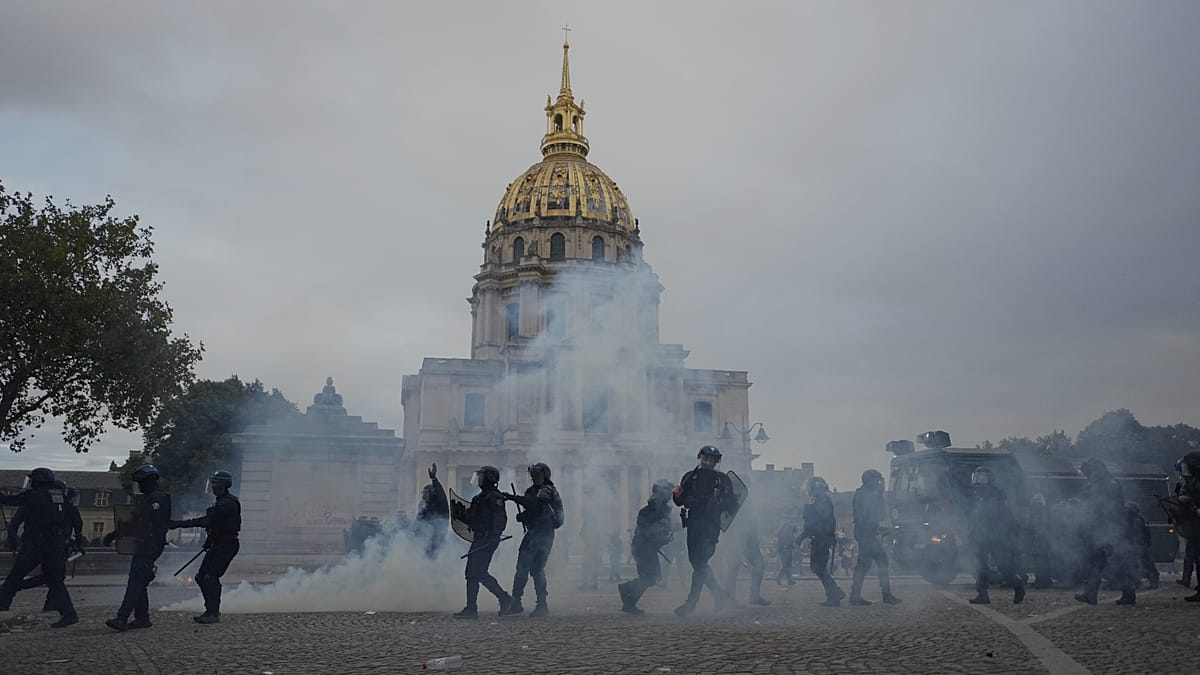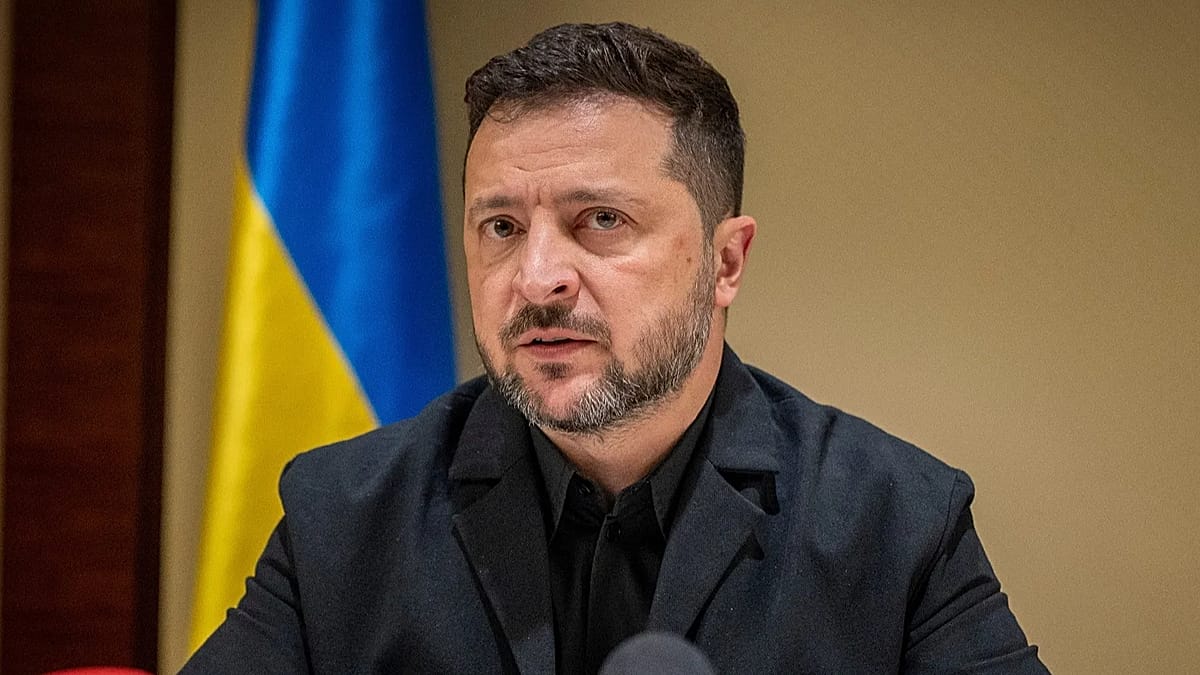
A Russian ballistic missile struck a key power plant in Kyiv on Tuesday evening, killing at least two people and wounding around twenty others, according to Ukrainian officials. President Volodymyr Zelensky said Ukraine received no advance warning from its Western partners, a lapse he called “absolutely unjust” as the country's air defenses detected the incoming missile only as it approached the capital.
The attack targeted the CHP-4 combined heat and power plant, a critical piece of infrastructure for a city of roughly three million people. Kyiv has faced increasingly intense Russian drone and missile barrages, with energy facilities a recurring focus. Mayor Vitali Klitschko confirmed that a residential building in the Desnianskyi district was also hit, adding to the civilian toll.
No warning, again
“A Russian ballistic missile attack on Kyiv. Once again, no early warning from our partners,” Zelensky wrote on Facebook. “The main target was energy infrastructure, specifically the CHP-4. Unfortunately, it was hit.”
Ukraine relies heavily on intelligence sharing from the United States and other allies to detect incoming Russian strikes and to coordinate its own targeting. The absence of advance notice on Tuesday was particularly striking because it came just days after US President Donald Trump announced on his Truth Social platform that Russia and Ukraine had agreed to an “energy ceasefire,” halting long-range strikes on power plants and oil refineries.
AFP reporters in the capital heard several explosions, and residents reported that the air raid sirens sounded only after the blasts—an inversion of the usual sequence that has become rare in recent months. Ukrainian officials suggested the delay could stem from the use of hard-to-detect missiles or technical issues, but the broader concern is the erosion of early-warning capabilities.
The strike underscores the fragility of any ceasefire arrangement and the persistent gap between political declarations and battlefield reality. Zelensky's criticism of Western allies, particularly the United States, reflects a growing frustration in Kyiv that intelligence support is not translating into effective protection of civilian infrastructure.
This incident is not isolated. In recent weeks, Russian forces have repeatedly targeted Ukrainian energy grids, causing rolling blackouts and forcing emergency repairs. The attack on Kyiv follows a pattern of strikes that have also hit educational institutions and residential areas, as seen in the Rivne university strike that injured 25 people.
The lack of early warning has reignited debates about the leverage the US holds over Ukraine through intelligence sharing. Some analysts argue that Washington's hesitancy to provide real-time targeting data for Russian launches is a deliberate policy choice, aimed at managing escalation risks. Others point to technical limitations or bureaucratic delays.
Zelensky has repeatedly pressed allies to provide more comprehensive air defense systems and faster intelligence. “When they are destroying our infrastructure, and Ukraine is not even receiving early warnings about ballistic missile launches, this is absolutely unjust,” he said.
The attack also casts doubt on the viability of the so-called energy ceasefire. Trump's announcement on Sunday was met with confusion in European capitals, as neither Moscow nor Kyiv had publicly confirmed the terms. The Kremlin has not commented on the strike, but Russian officials have previously dismissed such agreements as “meaningless” without concrete verification mechanisms.
For Kyiv's residents, the immediate impact is tangible: disrupted heating, damaged homes, and a renewed sense of vulnerability. The CHP-4 plant is one of the city's main sources of heat and electricity, and its repair could take weeks. Ukrainian energy workers are already stretched thin, having spent months patching up a grid that has been systematically degraded.
European leaders have condemned the strike, with several calling for stronger sanctions on Russian energy exports. The European Union has been discussing new measures to support Ukraine's energy resilience, including the provision of mobile generators and repair equipment. However, the pace of delivery remains a concern, as winter approaches and temperatures drop.
The broader strategic picture is worrying. Russia appears willing to ignore ceasefire overtures, betting that attrition will weaken Ukrainian resolve. For Ukraine, the reliance on Western intelligence is a double-edged sword: it provides critical support but also creates dependency that can be exploited. The failure of the ceasefire is a stark reminder that diplomatic initiatives without enforcement mechanisms are unlikely to change the dynamics on the ground.
As the war enters another winter, the question of early warning is not just a technical detail—it is a matter of life and death. Every minute of advance notice allows civilians to seek shelter and air defenses to prepare. The absence of such warnings, as seen on Tuesday, is a failure that Kyiv will not let its allies forget.