Violence erupted in Paris on Tuesday as part of a nationwide day of student protests that drew tens of thousands onto the streets of cities across France. The demonstrations, which began in September over teacher shortages, crumbling facilities and overcrowded classrooms, have escalated sharply in recent days.
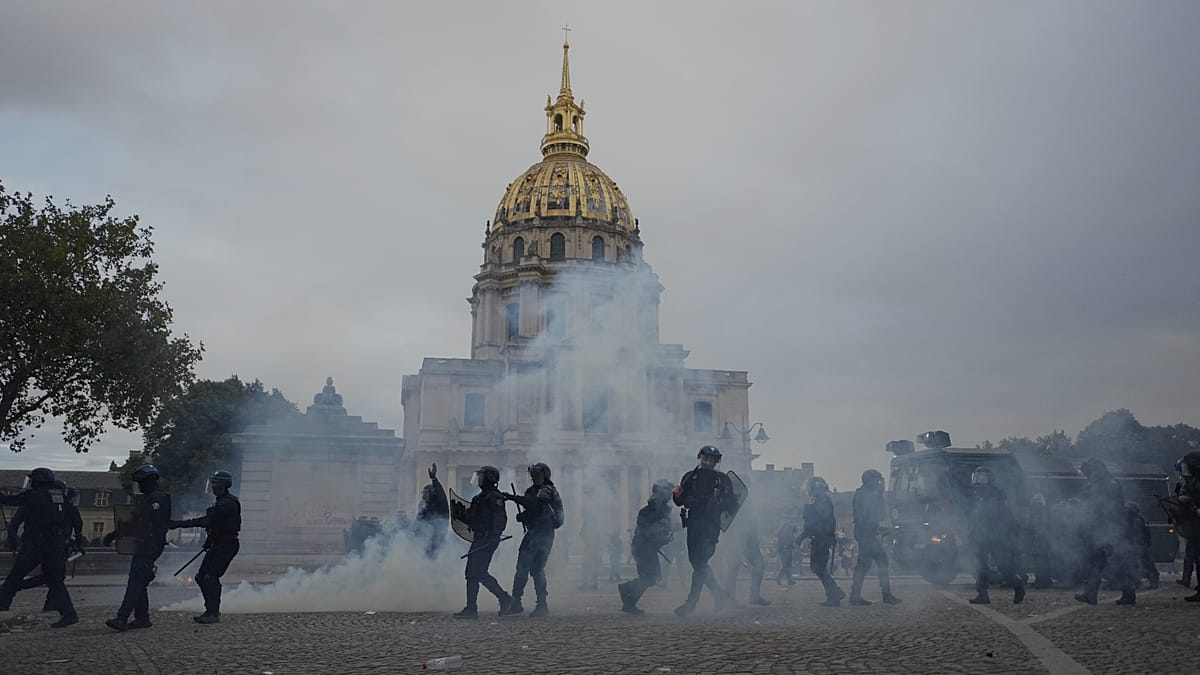
The French Interior Ministry put Tuesday's turnout at around 161,500 people nationwide, while union organisers claimed a far higher figure of roughly 480,000. In the capital, journalists from the AFP news agency reported cars set alight and police firing tear gas as protesters attempted to block roads with makeshift barricades.
Social media footage appeared to show clashes between demonstrators and riot police around Place Vauban, adjacent to Les Invalides in the 7th arrondissement. One clip showed officers deploying tear gas and a water cannon while protesters hurled objects toward them; another appeared to capture fireworks being aimed at police lines. Most other rallies across the country were reported to have remained peaceful.
Rights groups raise concerns over policing
The unrest has drawn criticism from human rights organisations, which accuse police of using excessive force in response to largely peaceful student-led actions. Several students have been injured during the protests, prompting calls for restraint.
Anne Savinel-Barras, president of Amnesty International France, urged authorities to guarantee the safety of young demonstrators. “Authorities must ensure their safety and security and protect and facilitate the exercise of their right to demonstrate peacefully,” she said. “Any policing response must be lawful, necessary and proportionate, and authorities must avoid unnecessary and excessive use of force.”
The protests have also intersected with broader political debates in France, including the government's handling of public services and its budget priorities. The unrest comes as the French budget debate opens amid what some have dubbed “act five” of the school protests.
Greta Thunberg joins students in Saint-Denis
Swedish climate activist Greta Thunberg appeared at a protest in Saint-Denis, in the northern suburbs of Paris, on Tuesday. Speaking outside a high school, she said: “Young people are not being included in the conversation. Our future is being robbed away from us.”
Thunberg, who has become a global figure for youth activism, added: “As we've seen here, schools are not getting investment that they need. It just gives the signal to young people that you are not prioritised in our society.” Her presence underscored the intersection between education funding and broader concerns about the treatment of young people across Europe.
The protests have put pressure on the French government, which has faced criticism for underfunding the education system. Teachers and students alike have called for more resources, smaller class sizes, and better working conditions. The movement has drawn parallels with previous waves of student unrest in France, but the current focus on school infrastructure and staffing has resonated widely.
In addition to the immediate demands, the demonstrations have highlighted a generational frustration with the lack of investment in public services, a theme that echoes in other European countries. As the protests continue, the French authorities face the challenge of balancing the right to peaceful assembly with maintaining public order.
Tuesday's events in Paris were a stark reminder of the tensions simmering beneath the surface. While most of the country saw peaceful marches, the clashes in the capital have raised questions about the policing of demonstrations and the broader social climate in France.