The International Energy Agency (IEA) issued a stark warning on Wednesday: diesel markets will remain tight well into 2027, and wholesale diesel prices in Europe could climb again in the coming weeks. The Paris-based watchdog's monthly report said that recovering Gulf oil supplies have not resolved the fuel squeeze, with global output still trailing consumption.
Supply rose by 2.5 million barrels per day (mb/d) to 102.3 mb/d in September, driven by a Saudi-led jump in Gulf crude exports to more than three-quarters of pre-war levels. Yet that remains slightly below global demand of around 103.5 mb/d, the IEA estimated. The conflict that began with US-Israeli strikes on Iran on 28 February is far from over.
Iran has choked the Strait of Hormuz, a conduit for roughly a fifth of the world's oil, and has recently intensified attacks on shipping there. Meanwhile, Yemen's Iran-backed Houthi rebels are striking Saudi oil sites. "Renewed attacks in the Gulf leave the recovery fragile," the IEA stated.
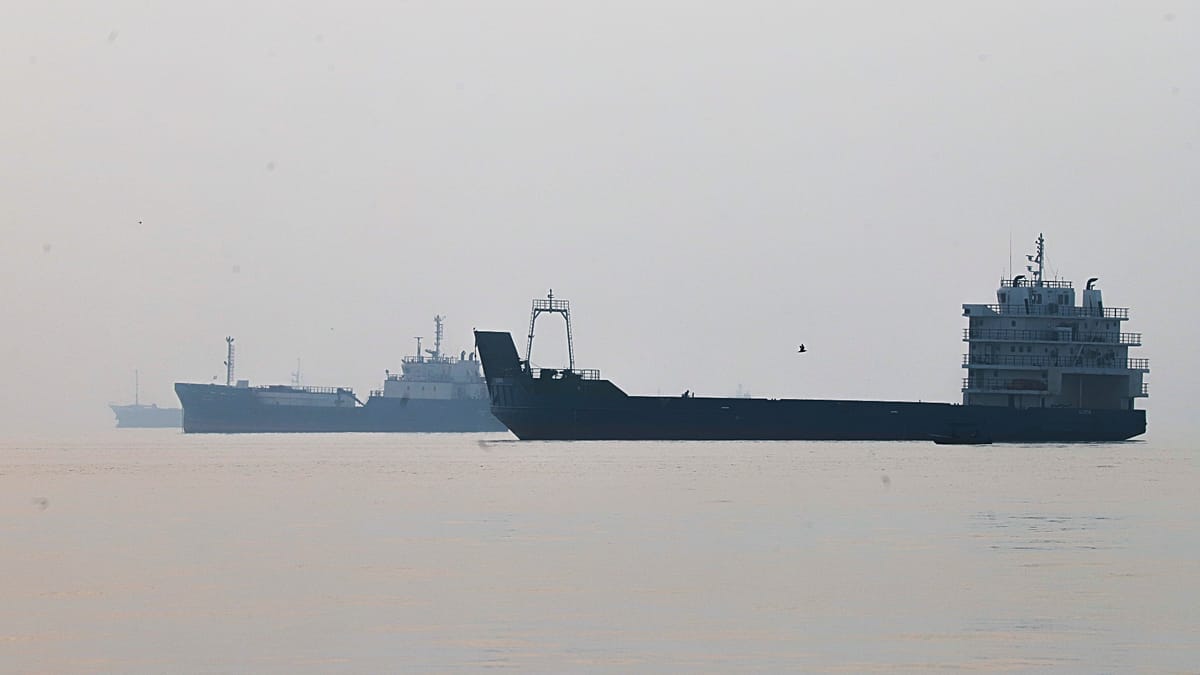
On Tuesday, Britain's UKMTO maritime security agency reported that projectiles of unknown origin had hit a tanker and a container ship in the strait. Early on Wednesday, Iran's Revolutionary Guards said a container ship carrying more than 2,500 containers sank south of the strait after hitting a naval mine and catching fire, claiming it took an unauthorised route and warning of continued dangers.
Brent crude, the international benchmark, rose about 1% to spike above $107 per barrel in early trading on Wednesday, before paring gains to hover around $106. The US benchmark, West Texas Intermediate, traded flat at roughly $94.75 per barrel.
Diesel crunch persists
Diesel prices have retreated from September's records above $200 a barrel, but benchmarks "remain nearly double the price of crude oil and their pre-crisis levels," the IEA noted. With Middle Eastern fuel exports below half of their pre-war levels and Russian refineries hit by Ukrainian drones, diesel supplies remain under pressure.
Rising shipping costs could add to that pressure. "As tensions in the crude freight market have spread to other tanker categories, delivered diesel prices in the dominant gasoil importing markets – Europe, Africa and Latin America – could rise again in the coming weeks," the IEA said. The agency added that lost diesel stocks are unlikely to be replenished beyond normal seasonal changes before the second half of 2027.
The G7 pledged on 2 October to release up to 100 million barrels of emergency stocks through the IEA, prioritising diesel. However, an internal document seen by Euronews shows this would cover barrels still owed under March's 400 million pledge – 326 million of which have been released – rather than add to it. France has already moved to tap its strategic diesel reserves to ease pump prices, a step that underscores the severity of the squeeze.
Diverging demand views
The IEA now expects high prices and weaker growth to cut global oil demand by 2.6 mb/d this year to 102.4 mb/d, slightly more than the 2.5 mb/d drop forecast last month. It also trimmed next year's rebound to 2 mb/d from 2.6 mb/d, meaning 2027 demand would stay 0.6% below 2025 levels instead of edging above them.
OPEC, the oil exporters' group, is more upbeat. It lowered its forecast for 2026 demand growth for a sixth consecutive month on Tuesday, to 180,000 barrels per day from 380,000, but raised its 2027 estimate to 2.55 mb/d from 2.36 mb/d, expecting stocks drained by the war to be rebuilt. Crude output from OPEC+, which includes Russia, rose by about 900,000 barrels per day to 39.07 mb/d in September, OPEC said.
Seven core members kept November targets unchanged on 4 October, with most pumping below quota due to the war, and will meet again on 1 November. The UAE quit both groups in May. Unless the conflicts in the region are resolved, "oil markets may experience more turmoil in the months ahead before any eventual surplus emerges in 2027," the IEA warned as its board meets on Thursday.
For European consumers and businesses, the outlook remains uncertain. The IEA's warning comes as the continent grapples with energy security concerns, and the French move to release strategic reserves highlights the pressure on governments to shield citizens from rising costs. Meanwhile, the broader geopolitical backdrop, including NATO's warnings about hybrid attacks, adds to the sense of fragility. As the IEA pushes for faster diesel releases, the coming weeks will be critical for European fuel markets.