Europe's maritime security landscape has shifted dramatically. It is no longer just about guarding ports and shipping lanes; it is about protecting the invisible networks that underpin modern life. The cables and energy pipelines lying on the seabed are now frontline assets, vulnerable to a range of threats from drones to cyberattacks.
These underwater networks carry 99 percent of the world's data, enable trillions of euros in financial transactions, and supply energy to entire nations. A single severed cable can disrupt communications and economic stability across the continent. Recent incidents, such as the Nord Stream explosion in 2022 and the Balticconnector sabotage in 2023, have underscored the vulnerability. In November 2024, damage to cables between Finland and Germany, and Sweden and Lithuania, raised alarms, followed by another incident between Finland and Estonia in December 2025.
The EU has responded by updating its Maritime Security Strategy in 2023, aiming to counter threats linked to Russia's invasion of Ukraine. The strategy combines innovation, industrial cooperation, and joint capability development, with a focus on both physical and cyber threats. In June, the European Commission proposed a €325 billion package for five defence projects, including one dedicated to maritime and seabed surveillance.
New industrial and technological push
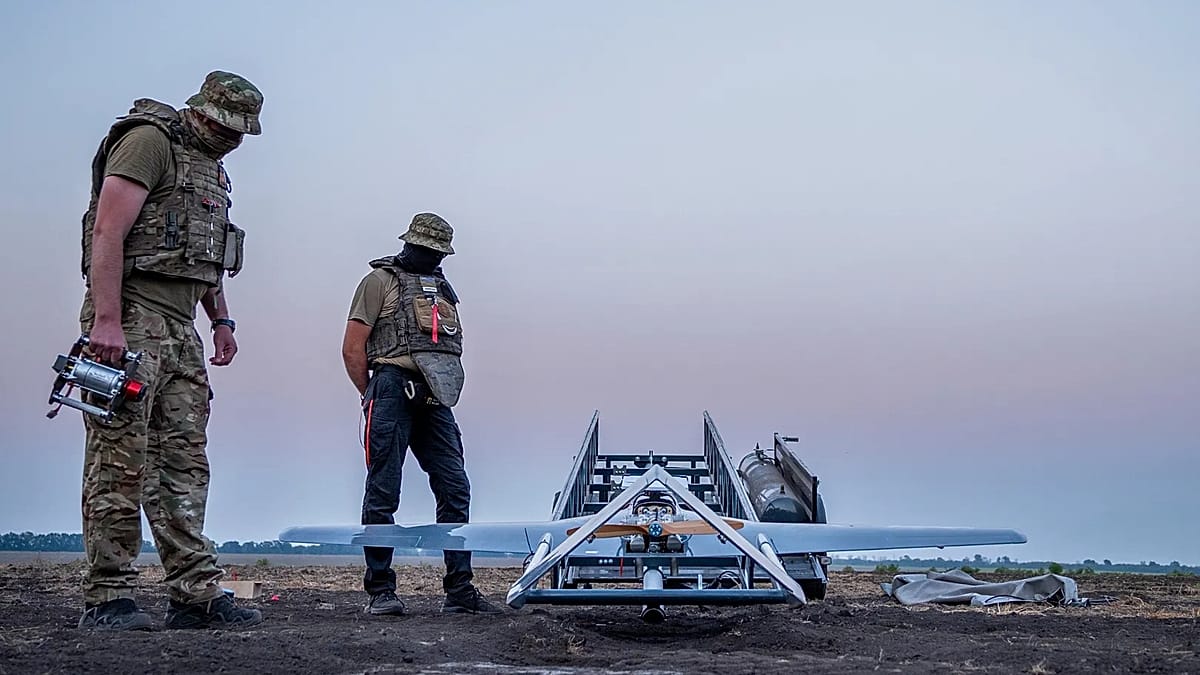
In March 2026, the EU launched the Industrial Maritime Strategy to boost the competitiveness, resilience, and sustainability of its waterborne sector, covering shipbuilding, shipping, and ports. This is complemented by the Counter-Drone Action Plan, which focuses on unmanned naval drones and counter-drone systems to address aerial, surface, and underwater threats.
Investment in detection and surveillance technology is a key pillar. The 2025 Cable Security Action Plan aims to prevent and detect attacks on undersea cables. The EU has also funded OceanEye with €92 million for maritime awareness and the SOUND2 project with €6 million, which uses artificial intelligence to detect threats through underwater acoustics.
These initiatives reflect a broader recognition that Europe's security depends on the resilience of its critical infrastructure. As investigations into the Nord Stream sabotage continue, the need for robust defences becomes ever more apparent.
However, the EU's strategy is not without challenges. Coordinating among 27 member states, each with its own naval capabilities and priorities, is complex. The recent opening of a drone security hub in Germany is a step forward, but more needs to be done to integrate national efforts.
Moreover, the threat is not only military. Hybrid tactics, such as the migrant pressure on Latvia's border, show how states can use non-military means to destabilise. The EU's maritime strategy must therefore be part of a wider approach to hybrid threats.
As the EU ramps up its maritime defence, the question remains whether it can move fast enough to protect the seabed infrastructure that is vital to its economy and security. The proposed funding and new strategies are promising, but implementation will be key.