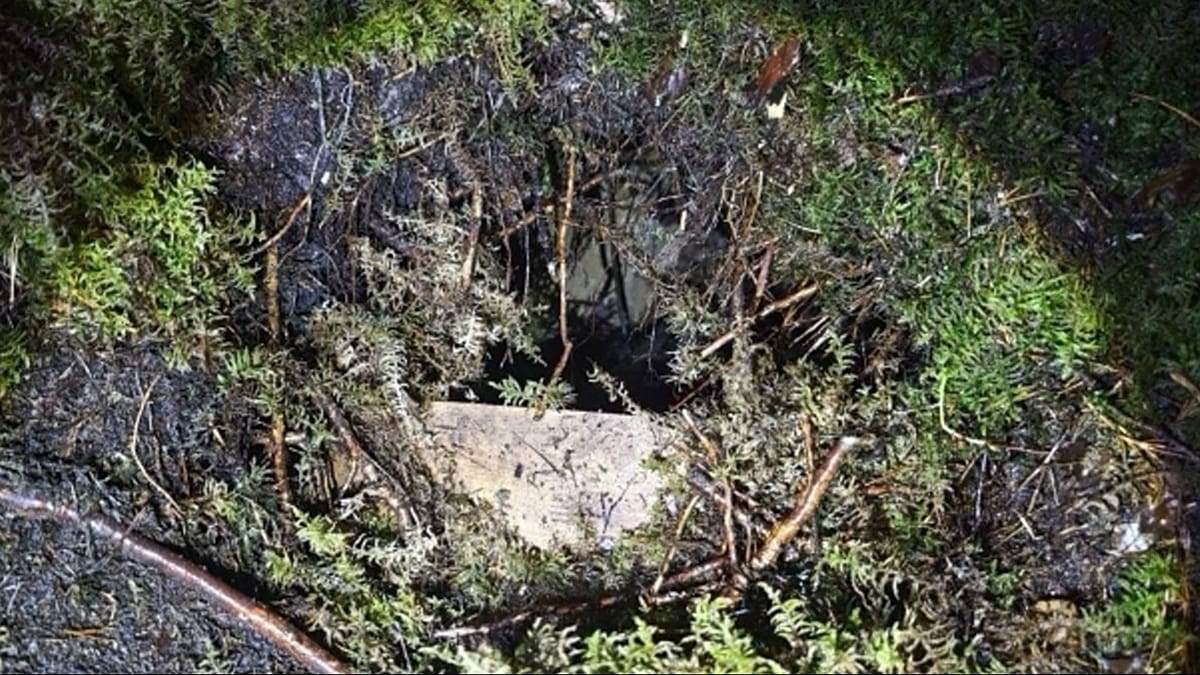
Latvia's border guards have intercepted 28 migrants who crossed into the country from Belarus through an underground tunnel, the second such passage discovered this year. The tunnel, located about 20 metres from the border, was concealed with moss and was found during routine patrols.
The discovery comes as Latvia faces a sustained surge in irregular migration, which European leaders describe as a hybrid attack orchestrated by the regime of Aliaksandr Lukashenka. The country, with a population of roughly two million, has already recorded nearly 10,000 attempts to cross its border illegally in the first eight months of 2026, compared with 12,000 for all of last year. On some days, border guards log more than 100 attempts along the 173-kilometre fenced frontier.
Latvia as a transit country
Guntis Pujāts, Chief of the State Border Guard, told Euronews that Latvia is not the migrants' final destination. “Latvia is not a target country. We are guarding, you know, Germans, Belgians, Netherlands here in Latvia,” he said. “They just try to use Latvia, like a trans-country.”
This assessment is supported by data from neighbouring Lithuania, which has seen a fourfold increase in migrants arriving from Latvia, indicating that many are moving onward to other EU states. Pujāts stressed that European partners do not fully grasp the extent to which Latvia is shielding the rest of the continent. “Unfortunately, there is not enough understanding about the current situation,” he added.
Latvia has received support through bilateral agreements with Estonia, Lithuania and Finland, which have all deployed additional border guard personnel. A similar arrangement with Poland is expected to be signed this month. Latvian President Edgars Rinkēvičs said that awareness is growing that the Baltic states' and Poland's borders with Belarus and Russia are external European borders. “That understanding is increasing,” he told Euronews.
Origins of the pressure
The influx of migrants from outside Europe through Belarus began in 2021, after Lukashenka threatened to facilitate the movement of migrants and drugs into the EU in response to sanctions. “We haven't had such problems before 2021,” Pujāts said. Latvia has kept its official border crossing points open for asylum seekers, but the current flows are not using legal routes. “This is not a legal…migration flow. We have no border with Iran, with Iraq, with Eritrea and with Afghanistan and so on,” he noted, adding that migrants come from Syria, Cameroon, Cuba, and other countries across Africa, Asia, and even the Americas.
In mid-July, the Latvian Prosecutor General's Office opened a criminal case against officials of Belarus's border service, following a complaint from the State Border Guard. The complaint alleges that since August 2021, Latvia has faced “prolonged and systematic migratory pressure” that should be assessed as “deliberate and systematic unlawful activities by a criminal organisation” involving Belarusian border officials, aimed at moving large numbers of people across the border to harm Latvia.
Asked for evidence, Pujāts pointed to the organised nature of the operations. “We know that [migrants] were transported using Belarusian state vehicles, they lived in Belarusian state facilities and so we understand that this was organised like some revenge or I think even more that Lukashenka thought that the European Union would start some negotiations, you know and pay some money to stop this illegal [migration],” he said.
Latvia has been reinforcing its border defences. The fence along the entire 173-kilometre border with Belarus was completed last year, and additional technological upgrades are expected by the end of this year. In mid-August, Latvia launched a security operation called “Vilkatis” (Werewolf) to counter what it describes as instrumentalised illegal migration.
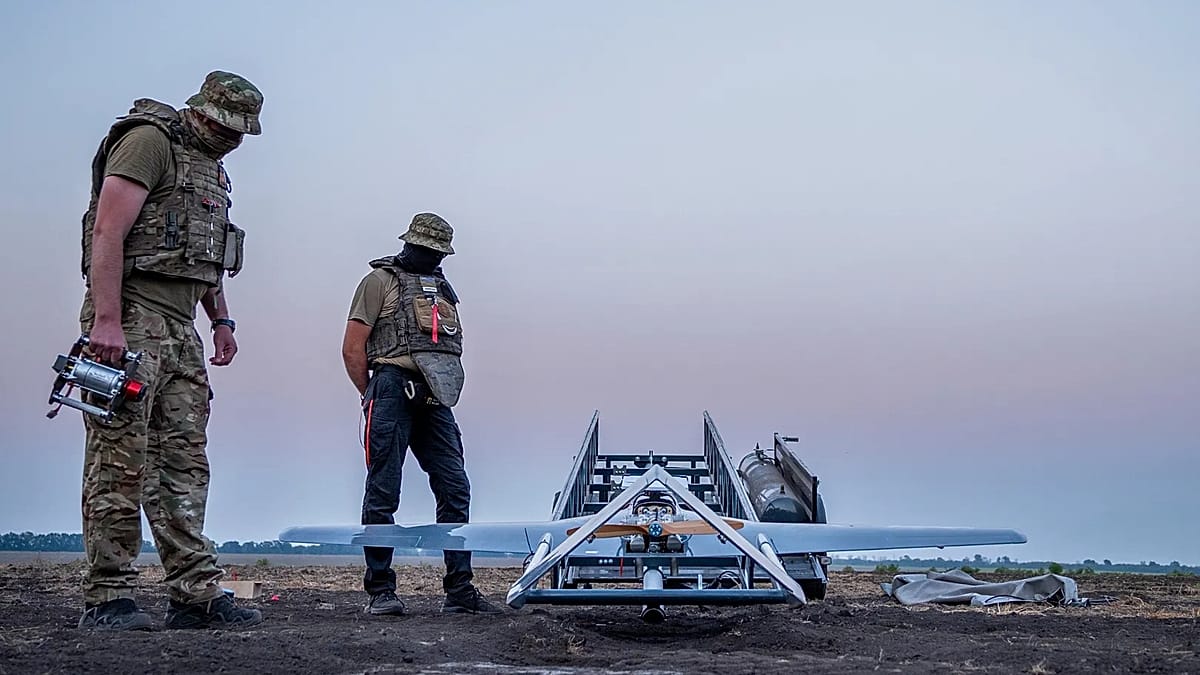
Despite the support from neighbouring countries, Latvia still faces a shortfall of around 200 border guards. “One is technologies, the other is human resources,” said Pujāts. The situation on the eastern border remains a test of European solidarity, as migration, drones, and defence converge in the region. The EU's broader response to Belarus's actions has included sanctions alignment by non-EU states, but the pressure shows no sign of abating.