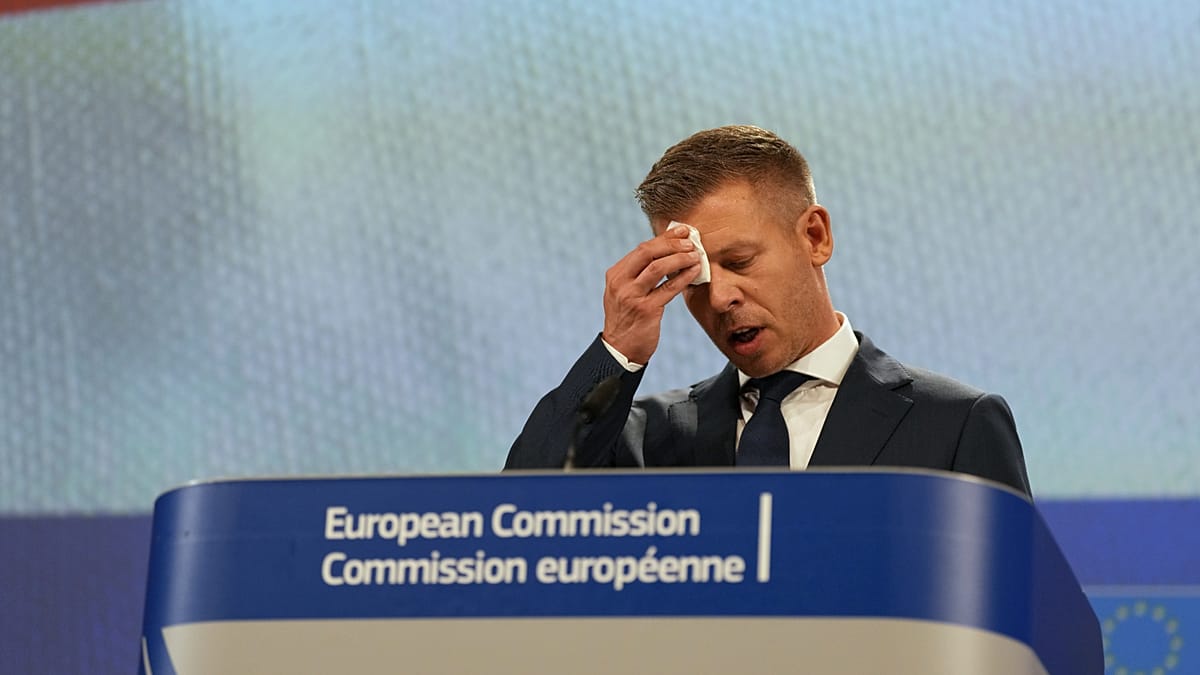
On Thursday, 19 November, EU affairs ministers gathered in Brussels for the bloc's annual rule-of-law dialogue, a routine review of judicial independence, corruption, media freedom, and institutional checks and balances across member states. The meeting was not a special hearing against Hungary, nor a vote on sanctions, but the timing was telling: Brussels is now assessing whether the reforms introduced by Hungarian Prime Minister Péter Magyar are delivering durable results.
Magyar, who took office in 2026, has moved quickly to dismantle some of the most contentious policies of his predecessor, Viktor Orbán. The emergency rule by decree has been lifted, and the Sovereignty Protection Office—a body that investigated civil society organisations and media outlets—has been abolished. Hungary has also joined the European Public Prosecutor's Office and introduced new anti-corruption and judicial reforms.
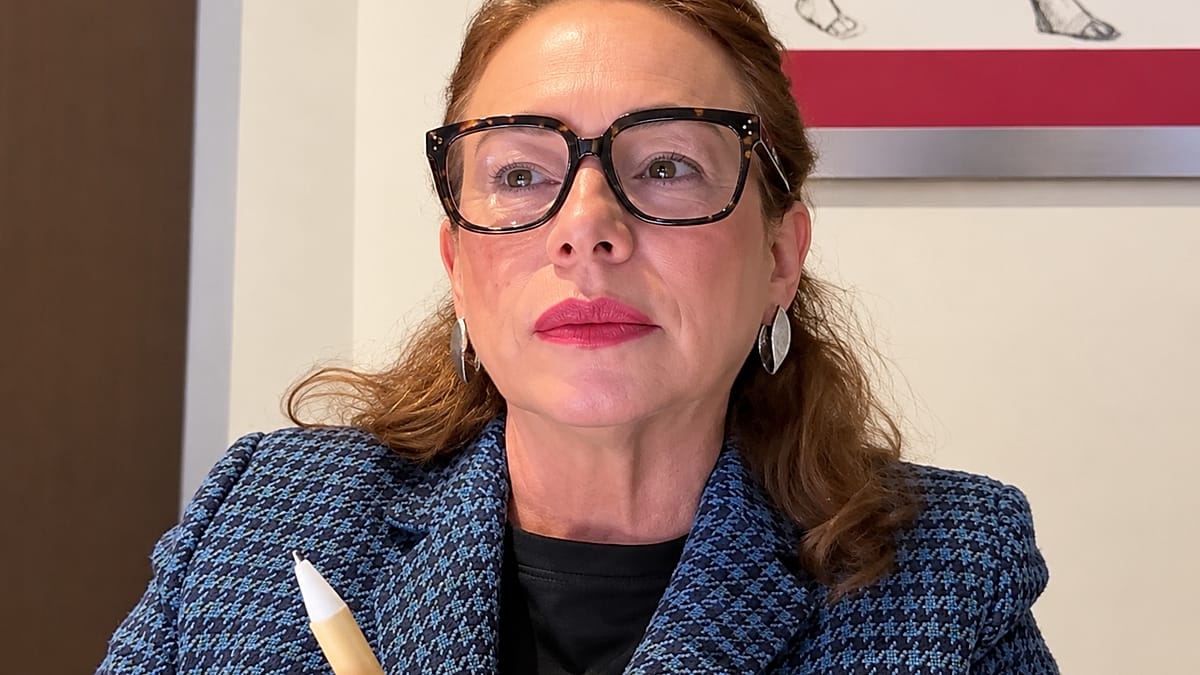
“I think we have seen clear efforts to break with the rule of law situation that has existed under Viktor Orbán and that the new government under Magyar has really put an effort into implementing reforms to restore judicial independence,” said Thu Nguyen, Acting Co-Director at the Jacques Delors Centre, in an interview with Euronews Verify.
A European Parliament delegation that visited Hungary in October praised the pace of change, describing it as substantial progress. Yet Hungary remains subject to the EU's Article 7 procedure, launched in 2018 over concerns about a serious risk to the bloc's founding values, including democracy, the rule of law, and fundamental rights. The procedure, often dubbed the “nuclear option,” can theoretically lead to suspension of voting rights, though it has never been applied in full.
What does the EU still want from Hungary?
The annual rule-of-law dialogue is part of a broader mechanism that produces country-specific recommendations. For Hungary, the focus remains on ensuring that judicial appointments are merit-based, that corruption cases are effectively prosecuted, and that media pluralism is protected. While the new government has taken steps in the right direction, EU officials are watching to see whether these reforms are embedded in legislation and practice, rather than being reversible political gestures.
“The question is not just about the laws on the books, but about their implementation,” noted one EU diplomat, speaking on condition of anonymity. “Hungary has made a promising start, but the proof will be in the coming months and years.”
The European Commission is expected to release its next rule-of-law report in early 2027, which will provide a more comprehensive assessment. In the meantime, the Council of the EU will continue to monitor developments through the annual dialogue, and the European Parliament could hold a debate on Hungary's progress under Article 7.
UK's possible return to the EU: a new chapter?
Beyond Hungary, the same week saw a significant moment in EU-UK relations: the long-awaited summit on Friday, 20 November, aimed at resetting ties after a decade of Brexit. London now seeks closer cooperation with Brussels, not a divorce. Public opinion has shifted, with 56% of Britons saying they would vote to rejoin the EU if a new referendum were held.
The reset began under Keir Starmer and has gained momentum under Prime Minister Andy Burnham, who has stirred the Brexit debate but stopped short of committing to rejoining. Five European leaders have called for closer collaboration, including on energy. However, the path back to membership is not straightforward.
“If the UK were to rejoin the EU, it would not be rejoining the EU that it left,” said Sébastien Maillard, associate fellow at Chatham House. “It's much more a geopolitical EU that would be joining, and it has to be ready [...] to accept the idea of European sovereignty. I think if the UK is ready to go fully on the idea that there is a need to side with the EU as a member state, to build sovereign capacities independently from the US or from China, then it can negotiate all kinds of opt-outs.”
Burnham has ruled out major changes before the next election, and his government remains committed to its “red lines.” Oliver Nicholls, senior policy manager at Best for Britain, told Euronews Verify: “This government has been clear that at least until the next election they are still committed to those red lines, so we wouldn't expect to see the UK's relationship change in this parliament with the European Union.”
Yet the first step is to get the conversation started in the UK. As the EU itself evolves—becoming more assertive on defence, technology, and climate—any future UK application would be judged on its willingness to embrace European sovereignty, not just to reclaim old opt-outs. For now, the summit signals a thaw, but the road to rejoining remains long and uncertain.
For more on related developments, see our coverage of Serbia's student-led push for EU rule-of-law reforms and the UK's move to pardon women under Victorian abortion law.