The European Commission is closely tracking reports of a suspected pneumonic plague case in Siberia, following the death of a laboratory worker in the city of Irkutsk. The incident has prompted precautionary measures in the region and raised concerns across the continent.
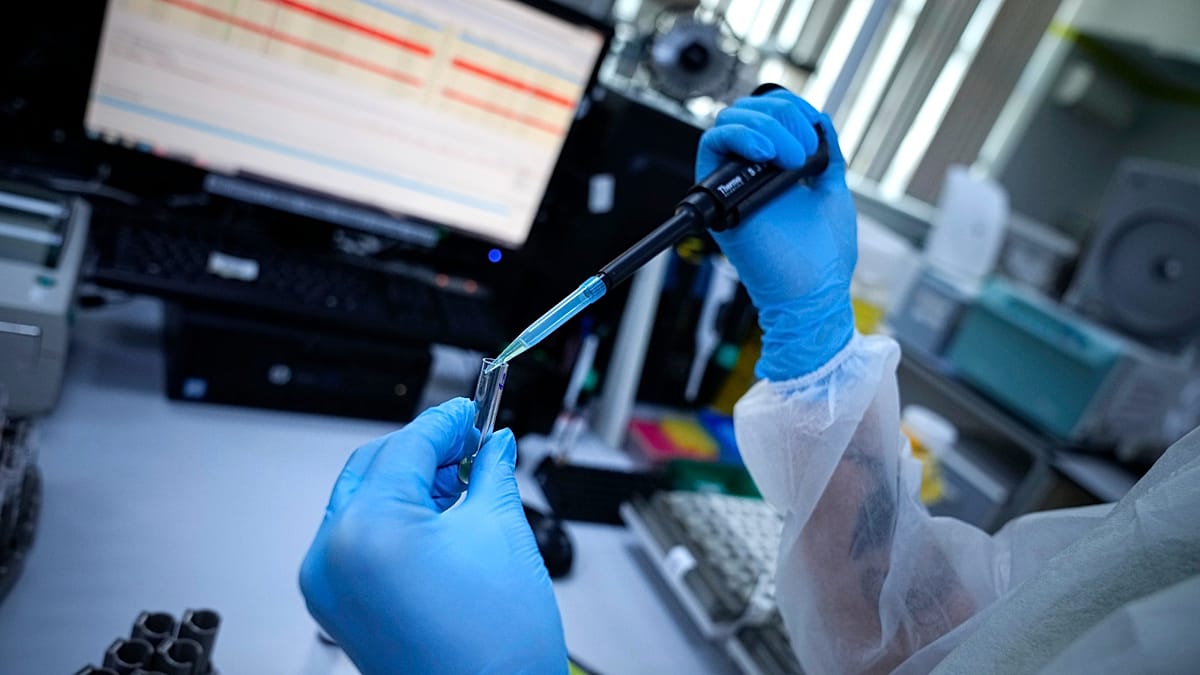
According to officials, the worker at the Irkutsk Research Anti-Plague Institute died on 2 October after reportedly breaking a test tube containing the plague pathogen. Her death was initially attributed to “pneumonia of unknown aetiology,” but local authorities have since taken steps to contain a possible outbreak.
Roughly 200 people who had been in contact with the deceased have been placed under strict medical observation, according to regional reports. Russian authorities have not yet officially confirmed an outbreak, but the situation has triggered alarm worldwide.
“We are aware of the reports concerning the laboratory incident in Russia, seemingly involving a pathogen causing plague,” a Commission spokesperson said on Monday. “Public health is always a priority for us, so we are in touch with our experts from the European Centre for Disease Prevention and Control.”
The spokesperson added: “We monitor very closely what is going on.”
What is pneumonic plague?
Pneumonic plague is a fast-moving lung infection caused by the bacterium Yersinia pestis. It spreads through infectious respiratory droplets during close contact and has a high mortality rate if left untreated. However, modern antibiotics are effective, and the disease is no longer the death sentence it once was.
“We are much better prepared for any pandemics” after COVID, the spokesperson noted, pointing to antibiotic stockpiles held by EU member states. The Commission is using the World Health Organisation (WHO) to obtain updates from Russian authorities, whose contacts with their European counterparts have been severely restricted since the full-scale invasion of Ukraine.
For now, the executive does not intend to convene a dedicated meeting or adopt emergency measures. The response in Brussels mirrors that of Washington, where the US State Department has also said it is monitoring the situation.
The incident has drawn attention to the broader context of Russia's isolation from European health networks. As Ukraine exposes Russian disinformation campaigns, the lack of direct communication channels complicates cross-border health security. The EU has relied on WHO as an intermediary, a workaround that reflects the fractured relationship.
While the risk to the wider European population remains low, the episode underscores the importance of vigilance. The plague fears gripping Siberia are a reminder that infectious diseases do not respect borders, and that preparedness is key.
European health officials are also mindful of the lessons from COVID-19. The pandemic exposed vulnerabilities in supply chains and public health systems, prompting the EU to build up reserves of essential medicines and strengthen the mandate of the European Centre for Disease Prevention and Control. These measures are now being put to the test, albeit in a less dramatic fashion.
As the situation develops, the Commission says it stands ready to coordinate a response among member states if necessary. For now, the focus is on monitoring and information-sharing, with the WHO serving as the primary channel for updates from Moscow.
The death of the lab worker is a tragic event, but it also highlights the risks inherent in handling dangerous pathogens. The Irkutsk institute is one of several in Russia that specialize in plague research, and such facilities are subject to strict safety protocols. The breach, if confirmed, would raise questions about laboratory safety standards.
For the EU, the immediate priority is to ensure that any potential spread is contained and that member states are prepared. As the spokesperson put it, “We monitor very closely what is going on.”