Ukraine's security service has warned that Russian intelligence is running a coordinated campaign of fake websites, social media pages, and messaging channels designed to impersonate official Ukrainian institutions, security bodies, and media outlets. The Security Service of Ukraine (SBU) said these resources copy official names, logos, and branding to appear legitimate, and are being used to spread disinformation and harvest personal data from unsuspecting users.
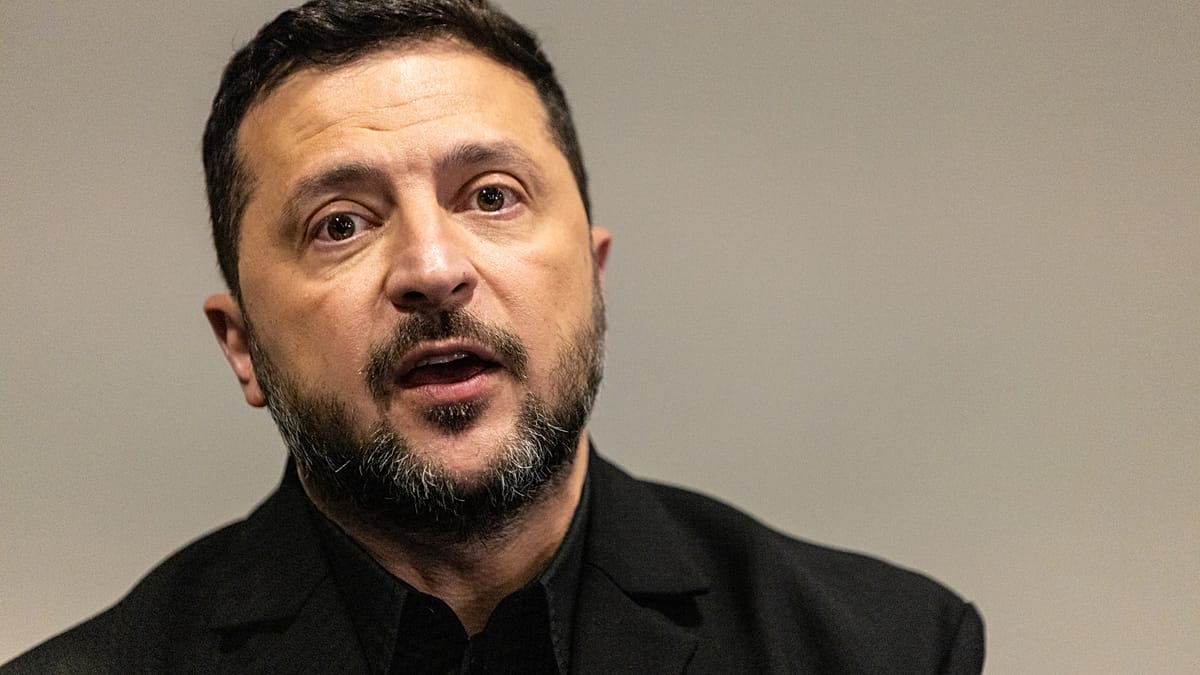
The SBU said it has recorded a sharp increase in such manipulative activity and has already identified and blocked more than 50 resources that mimicked its own branding. Fake accounts have also been created in the names of senior Ukrainian officials, including President Volodymyr Zelenskyy, First Lady Olena Zelenska, former presidential office chief Andriy Yermak, and former SBU chief Vasyl Maliuk.
How the fake resources work
Ukraine's Center for Countering Disinformation has also warned about fake accounts using the names and photographs of security officials to publish supposed insider or exclusive information. In some cases, operators repurpose older Telegram channels, including cryptocurrency pages, by changing their names and branding to make them appear official.
The SBU says the fake resources are mainly used to spread disinformation and collect personal data. By copying government agencies, officials, or media organisations, Russia can present false or misleading information as though it came from a legitimate Ukrainian source. The agency says these campaigns aim to destabilise the political and social situation inside Ukraine and weaken the country's position internationally.
The same resources can also be used to collect information from users. Fake pages and channels may encourage people to follow an account, click on links, send messages, or provide personal details. According to the SBU, Russian intelligence services also target users who interact with fake pages and messenger channels and may compromise their accounts to obtain personal data. This information can later be used in recruitment operations or to gather confidential information.
Russian intelligence services are particularly interested in information about the combat and operational activities of Ukraine's defence and security forces, the SBU said. The fake resources can therefore serve several purposes at the same time: they spread disinformation, attract users by posing as trusted sources, and direct them towards links or accounts that can be used to collect information.
This tactic often relies on small differences that can be difficult to spot, like different usernames for fake accounts. Meanwhile, a fake website may closely copy the design of a government or media page but use a different web address.
The warning comes as Kyiv faces renewed Russian strikes that have disrupted daily life and heightened security concerns. The SBU's disclosure underscores the broader information warfare that accompanies the military conflict, with European allies also on alert for similar tactics.
In recent months, European governments have increasingly highlighted the threat of Russian disinformation campaigns. The EU has boosted funding for border security and drone surveillance, partly in response to hybrid threats. The SBU's findings are a reminder that the battle for public trust extends beyond the battlefield.
For Ukrainians, the advice is to verify the authenticity of official accounts and websites, especially before sharing personal data or following links. The SBU encourages citizens to report suspicious resources to help counter the spread of disinformation.