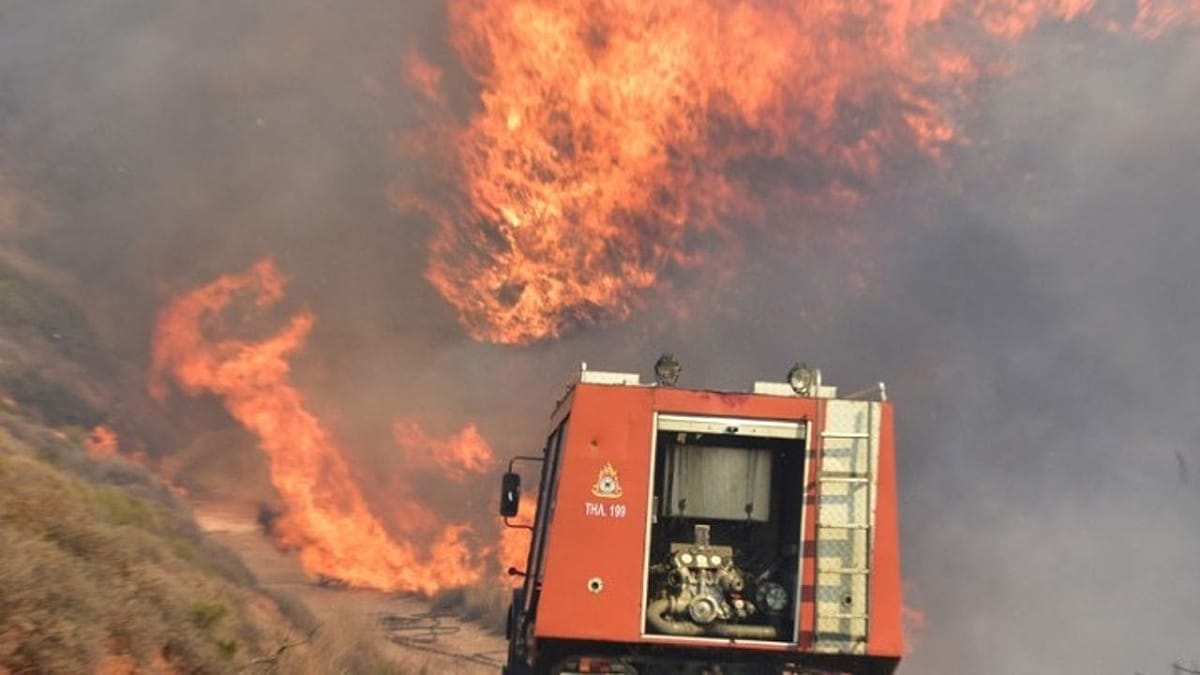
The European Commission has acknowledged that the bloc's firefighting capacity is being pushed beyond its limits as devastating wildfires continue to rage across France and Spain. An official told reporters on Monday that the blazes have reached a point where they are "out of capacity," with more than 80,000 hectares burned in Spain and over 42,000 hectares in France. Both countries have seen fires spread uncontrollably, forcing more than 320,000 people to flee their homes.
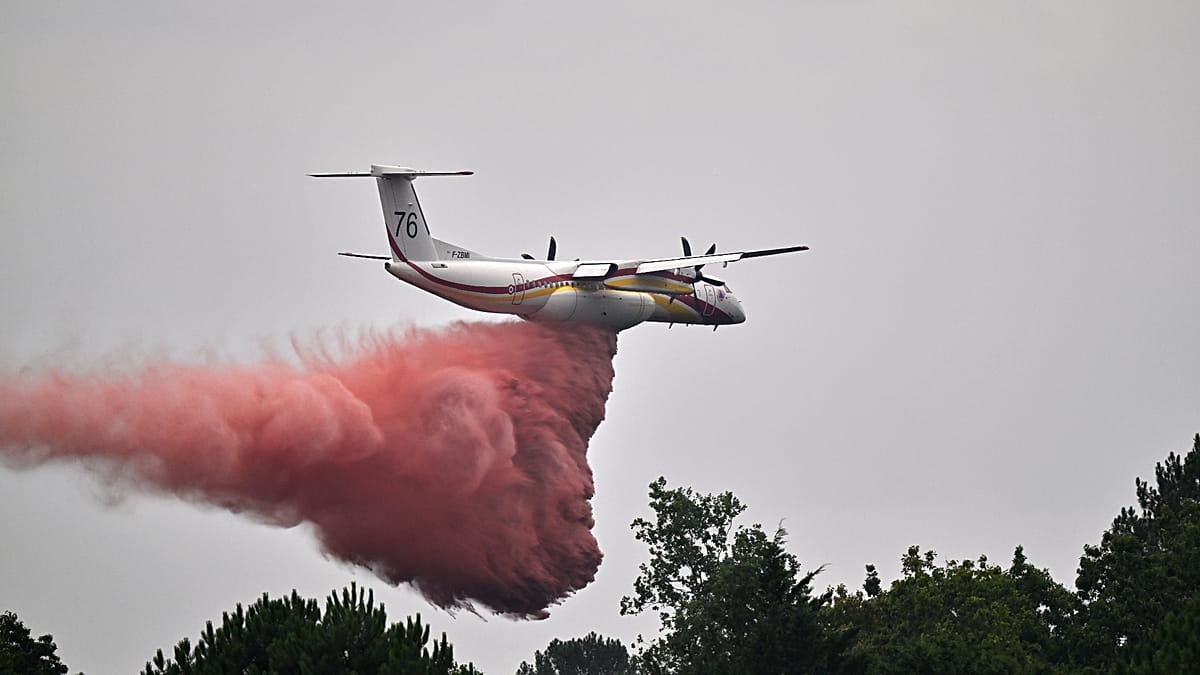
The EU has mobilised one of its largest-ever emergency responses under the Civil Protection Mechanism, deploying seven aircraft and four helicopters to France, along with six aircraft and three ground firefighting teams to Spain. Five additional firefighting planes from Canada have been shared between the two countries. More than 770 firefighters from 14 member states have been pre-positioned across southern Europe for the summer season.
Hadja Lahbib, the European Commissioner for Humanitarian Aid and Crisis Management, acknowledged in an interview with Le Monde that the civil protection mechanism is "under pressure" but insisted that "it is working." However, the scale of the current crisis has exposed structural weaknesses in a system that relies on member states voluntarily sharing aircraft, equipment, and personnel during emergencies.
Fires outpacing ground crews
The speed at which these fires are spreading has become a critical concern. In one recent blaze in Spain, flames advanced at roughly six kilometres per hour, while firefighters on the ground could only contain the fire at about 300 metres per hour. This disparity underscores the growing challenge posed by climate-driven wildfires that behave differently from those seen just a few years ago.
EU officials noted that the wildfire season began exceptionally early this year, with the first activation of the Civil Protection Mechanism occurring at the end of April. "We started the fire season before last year," one official said. "At the end of May the problem was fires reaching hundreds of hectares. By June they were reaching thousands. Right now, we are counting fires in tens of thousands of hectares." The season could now extend into October or even November.
Brussels is working to expand its permanent firefighting fleet by purchasing 12 Canadair aircraft and five helicopters, but deliveries will not be completed until 2030. In the meantime, the bloc remains dependent on national fleets, many of which are already stretched by domestic fires. Two additional helicopters are expected from Germany for Spain, and two more planes from Turkey, but officials stressed that not every aircraft is suitable for every type of fire or terrain.
A further complication arises from EU sanctions imposed in March 2022: several Russian firefighting helicopters remain grounded in Spain. The Commission has not yet responded to requests for comment on whether it would consider a temporary exemption to allow their use given the severity of the crisis.
Officials also emphasised that simply adding more aircraft is not a complete solution. "What we are advocating is an integrated management approach," a second Commission official said, pointing to the need for better forest management, including reducing combustible vegetation. The EU has strengthened its Emergency Response Coordination Centre by adding wildfire behaviour analysts who can model how fires are likely to evolve, allowing authorities to position resources before conditions deteriorate.
The current crisis has also highlighted how climate adaptation is becoming inseparable from civil protection policy. Successive heatwaves have dried vegetation across southern Europe, creating conditions that consistently exceed historical norms. Extreme fire danger is now forecast to spread towards Greece, raising fears of further strain on the system.
As the EU searches for additional firefighting capacity, more than 100,000 hectares of land are ablaze and thousands of families are being forced to evacuate. The bloc's civil protection model, designed for a different era, is being tested as never before — and the coming years are likely to bring even greater pressure.