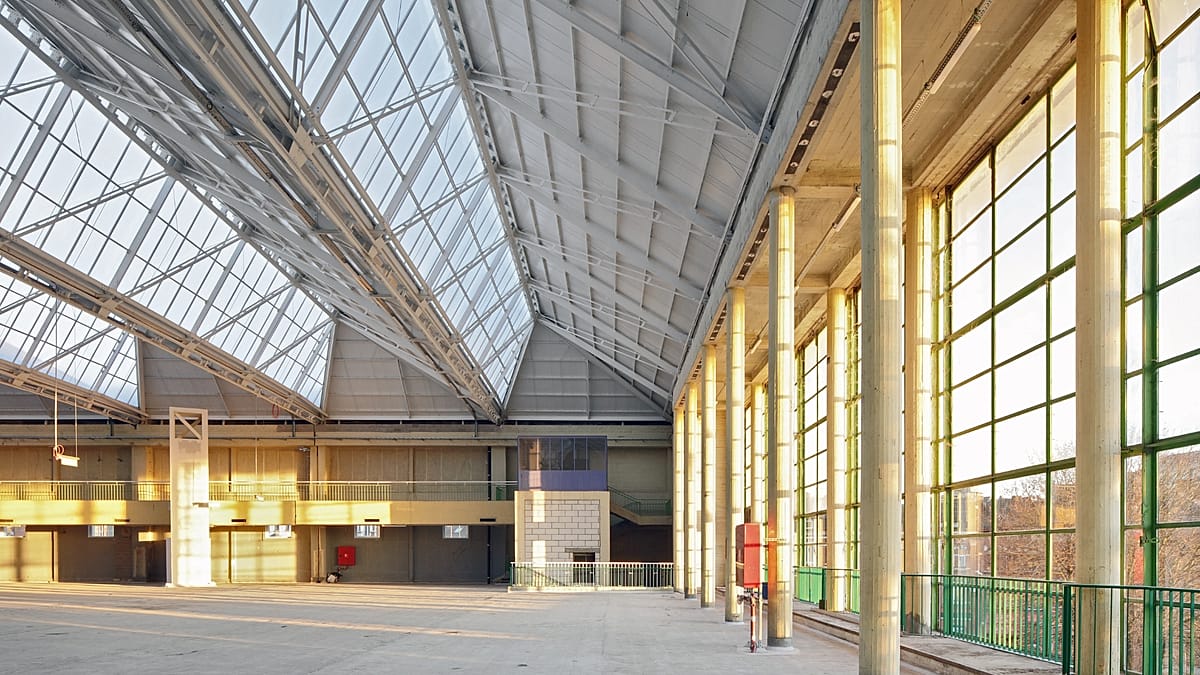
The European Union Prize for Contemporary Architecture – Mies van der Rohe Awards, known as the EUmies, have announced their 2026 winners. The awards, established in Barcelona in 1988, recognize excellence in built works across Europe and diploma projects by recent architecture graduates. This year’s selection from 410 nominated works highlights how architecture can drive sustainable and conscious development through the reuse and transformation of existing spaces.
The main Architecture prize was awarded to the Charleroi Exhibition Palace in Belgium, designed by AgwA and architecten jan de vylder inge vinck. The project involves an intelligent renovation of a 1950s convention centre in Charleroi. Key changes include converting the central hall into covered urban terraces and replacing black ground with a green park through demineralisation. The EUmies Awards described it as “an architecture that values repair and reuse as project tools.”
Emerging Architecture Prize
The Emerging Architecture 2026 prize went to Temporary Spaces for the Slovenian National Theatre Drama by Vidic Grohar Arhitekti. The architects transformed an abandoned industrial complex in Ljubljana into a public, purposeful space. The project demonstrates how temporary interventions can breathe new life into neglected urban areas.
Glenn Micallef, the European Commissioner for Intergenerational Fairness, Youth, Culture and Sport, said: “Their projects demonstrate how architecture can transform our living environments into sustainable, inclusive, and inspiring places.”
The awards come at a time when adaptive reuse is gaining traction across Europe. Similar recognition was given to projects in the European Heritage Awards 2026, which honored 30 projects from 18 countries for conservation and adaptive reuse. This trend reflects a broader shift in European architecture toward sustainability and resource efficiency.
The EUmies Awards Days will take place on 11 and 12 May at the Mies van der Rohe Pavilion and the Victoria Eugenia Palace in Barcelona. The event will bring together architects, policymakers, and industry leaders to discuss the future of architecture in Europe.
Both winning projects underscore a growing emphasis on reusing existing structures rather than building anew. This approach not only reduces environmental impact but also preserves cultural heritage and community identity. As European cities grapple with climate goals and housing needs, such projects offer a model for sustainable urban development.



