Across Europe, from the groundwater of Italy's Veneto region to the rain falling over Stockholm, a persistent class of industrial chemicals known as PFAS has become a defining environmental and public health challenge. Dubbed 'forever chemicals' for their extreme stability, these per- and polyfluoroalkyl substances are now the target of an escalating regulatory response from the European Union, which is attempting to curb what many scientists consider a pervasive threat.
Manufactured for decades for their non-stick and heat-resistant properties, PFAS are found in countless products, from waterproof clothing and cookware to electronics and cosmetics. Their molecular resilience, however, means they do not break down naturally, accumulating in water, soil, and the human body. 'We only know the toxicity of about ten PFAS out of the more than 10,000 currently in circulation, which is concerning,' says Ian Cousins, Professor of Environmental Organic Chemistry at Stockholm University. 'The fact that they accumulate in the environment is already a problem in itself.'
The Invisible Burden on Health and Environment
Scientific consensus has linked high exposure to certain PFAS, like the now-banned PFOA, to increased risks of certain cancers, reduced fertility, and impaired immune function. The human body can take decades to eliminate them, leading to accumulation that often correlates with proximity to industrial sites. A 2023 investigation, the Forever Pollution Project, estimated that nearly 23,000 sites across Europe are contaminated, painting a picture of a silent crisis woven into the continent's industrial fabric.
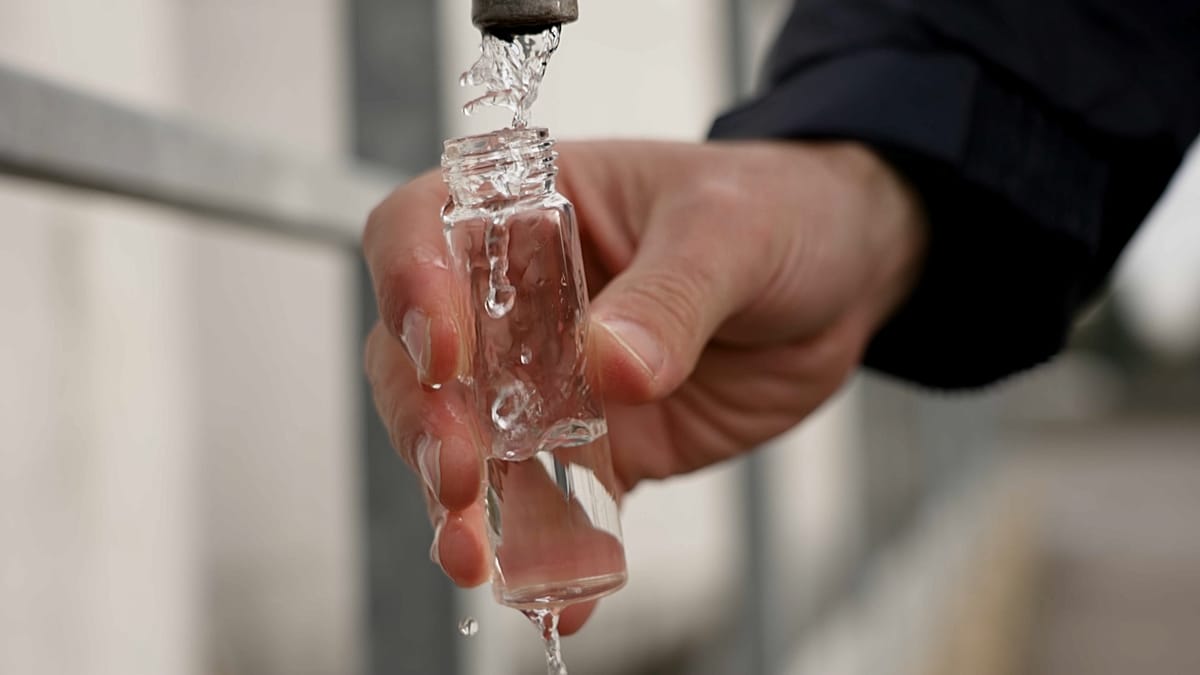
Nowhere is the human and economic cost more starkly illustrated than in northern Italy. The 'Miteni scandal' in Veneto saw a chemical plant pollute groundwater for decades, exposing hundreds of thousands of residents to high levels of PFOA and PFOS in their drinking water. After years of activism by groups like 'Mothers Without PFAS,' Italian courts sentenced several company executives to prison for knowingly concealing the pollution. The legacy is an enormous financial burden for public authorities tasked with securing clean water and decontaminating land—a cautionary tale for other regions.
Europe's Regulatory Counter-Offensive
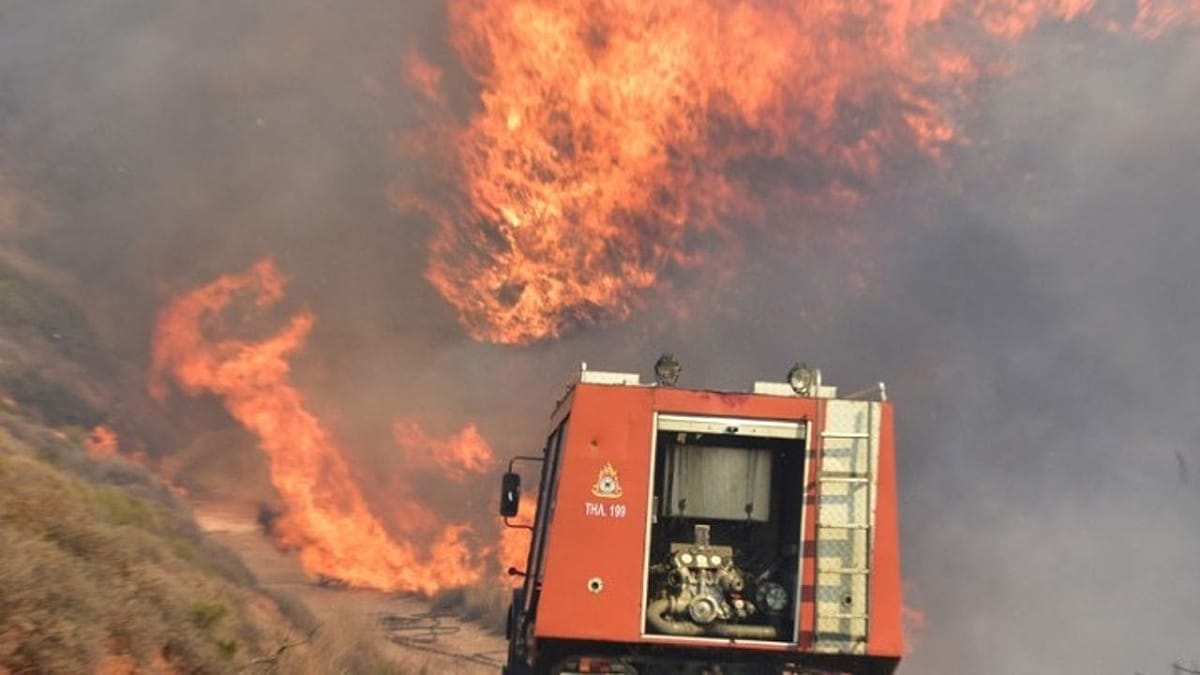
The European Union, building on one of the world's strictest chemical regulatory regimes under REACH, is deploying a multi-pronged legal arsenal. Current measures include bans on PFAS in firefighting foams, strict new limits in the Drinking Water Directive, and proposals to monitor these substances in wastewater and soil. The broader geopolitical context for resource security adds urgency to protecting water supplies from industrial contamination.
The most ambitious step, however, is a proposal for a near-universal restriction on the manufacture and use of all PFAS. Submitted in 2022 by Germany, the Netherlands, Norway, Denmark, and Sweden, the plan is under review by the European Chemicals Agency (ECHA). Its scientific committees are expected to deliver a final opinion by the end of the year, paving the way for what could be the most comprehensive PFAS regulation globally.
This push for a broad ban reflects a growing precautionary principle in European environmental policy, aiming to prevent harm before the full scale of toxicity for thousands of chemical variants is known. The approach is not without controversy, facing significant pushback from industries that rely on PFAS for manufacturing everything from semiconductors to medical devices, who warn of supply chain disruptions.
The economic implications are vast, touching on everything from national defence contracts to consumer goods. As Europe tightens its environmental rules, the ripple effects will be felt in corporate boardrooms and public procurement audits alike, where the costs of alternative materials and cleanup operations must be weighed.
For communities living with contamination, the regulatory moves are a long-awaited response. The path to remediation, however, remains daunting. Cleaning PFAS from soil and groundwater is technically complex and prohibitively expensive, a lasting testament to the 'forever' nature of these chemicals. The situation underscores a broader European challenge: managing the environmental legacy of past industrial growth while forging a sustainable economic future.
As the ECHA evaluation proceeds, the EU finds itself at a pivotal moment. Its actions will not only determine the health of its own environment and citizens but also set a potential global benchmark for chemical regulation. The outcome will test the bloc's ability to translate scientific concern and public advocacy into effective, enforceable policy that balances ecological imperatives with economic realities.