Decades of environmental regulation are yielding measurable results: air quality across the European Union continues to improve, according to the latest assessment from the EU’s Copernicus Atmosphere Monitoring Service (CAMS). The Assessment Report on European Air Quality 2025 documents a steady decline in the continent’s most harmful pollutants, even as heatwaves and wildfires create localised setbacks.
Key pollutants in retreat
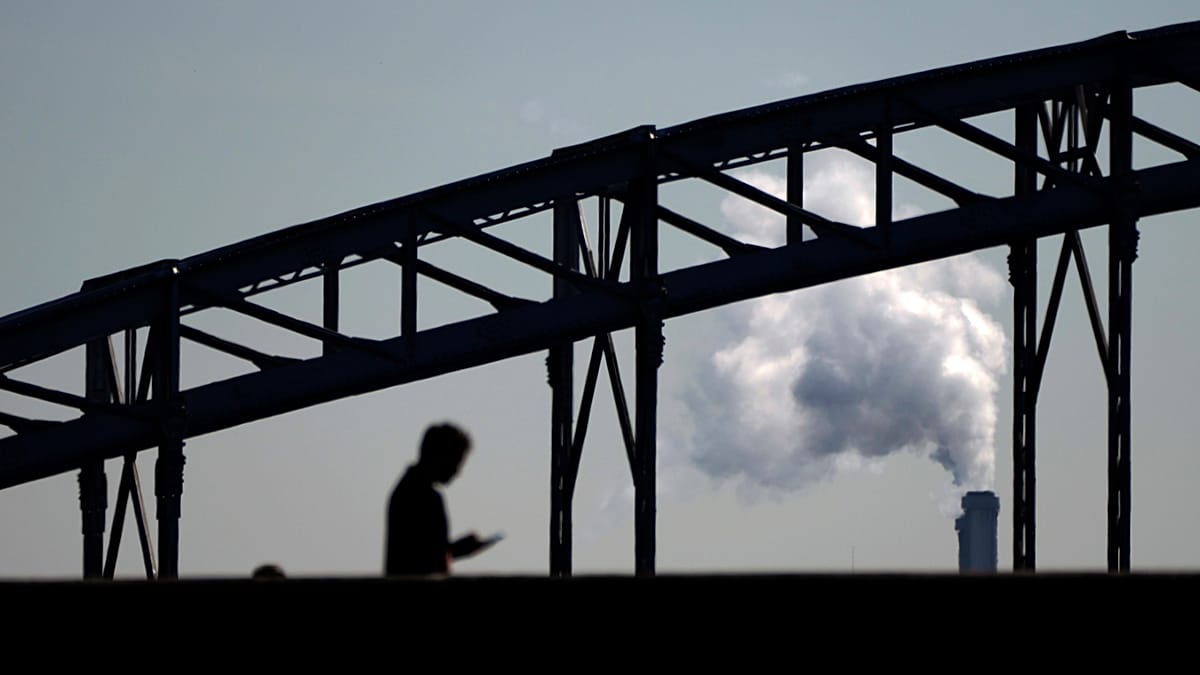
Since 2015, emissions of sulphur oxides (SOx) and nitrogen oxides (NOx) have fallen by roughly three to five percent each year across the EU27. The sharpest reductions have come from industry and road transport. Industrial SOx emissions are down 59 percent, while NOx from industry has dropped 39 percent. Road transport has also cut NOx by 40 percent and fine particulate matter (PM2.5) by 34 percent.
Transport remains the only major sector that still emits more than it did in 1990, accounting for about a third of EU pollution. Yet even there, progress is visible: Europe’s transport sector released 1.05 billion tonnes of CO2 in 2024, a five percent drop from 1.1 billion tonnes in 2019. The rapid uptake of electric vehicles is the main driver, replacing petrol and diesel cars at an accelerating pace.
Renewables power the shift
The transition from fossil fuels to clean energy is a central factor behind cleaner air. In the second quarter of 2025, for the first time, more than half of net electricity generated in the EU came from renewable sources. Sweden led the way, producing 99 percent of its electricity from low-carbon sources last year — the highest share of any member state.
“Europe continues to make steady progress in improving air quality thanks to sustained efforts to reduce emissions from transport, industry, residential heating, and other key sectors,” said CAMS Director Laurence Rouil.
Heatwaves and wildfires threaten gains
Despite the positive trend, extreme weather events are complicating the picture. During the series of heatwaves that scorched the continent in June and August 2024, elevated ground-level ozone concentrations were recorded across large areas. Ozone forms when sunlight triggers chemical reactions involving nitrogen oxides, and high temperatures combined with stagnant air create ideal conditions for its production. Near the surface, ozone is a harmful pollutant that damages lung tissue and vegetation, unlike the protective stratospheric ozone layer.
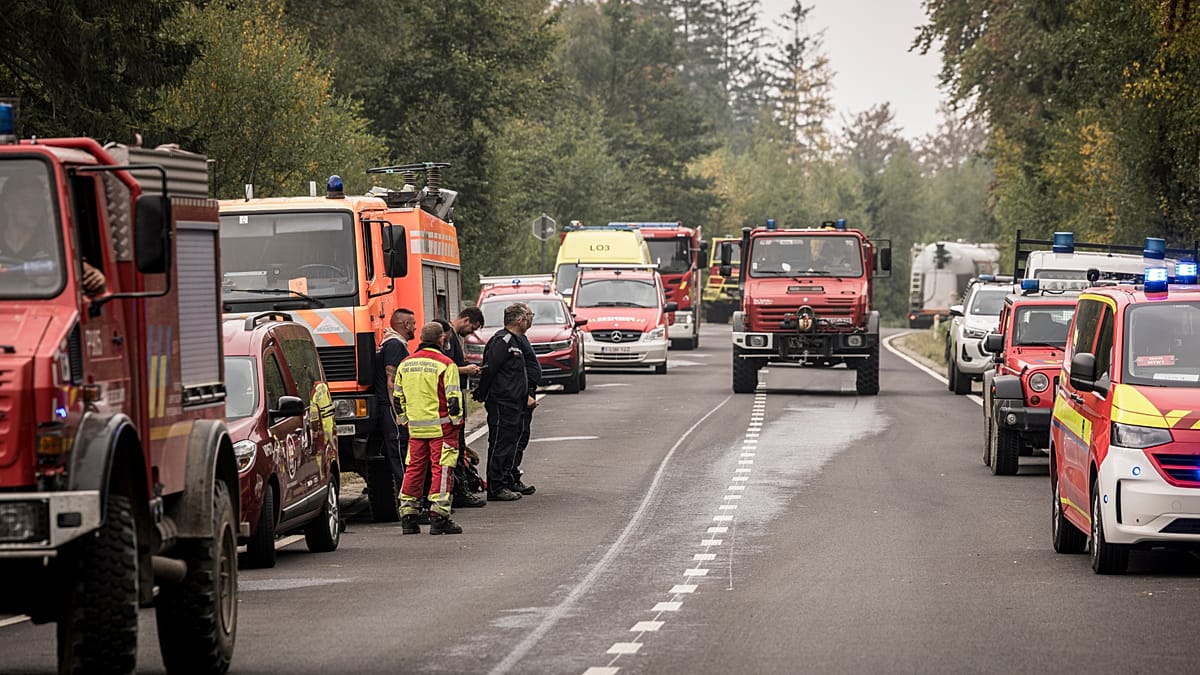
Prolonged dry conditions also fueled record wildfires between 11 and 19 August 2024, which “heavily impacted Portugal and Spain, and led to widespread exceedances of daily PM2.5 limit values across parts of the Iberian Peninsula,” the report warns. The fires released large amounts of ozone precursors, which reacted in sunlight to push surface ozone levels higher in northern Portugal and Spain.
“The wildfires in August 2025 showed how closely these hazardous events are connected to air quality,” said report author Paul Hamer. “In addition to elevating the levels of particulate matter at the surface level, the fire plumes also contributed to the increase in surface ozone levels.”
The report comes as parts of Europe remain gripped by a deadly heatwave, with experts warning that high temperatures and stagnant conditions could again drive up ozone pollution. The June heatwave linked to over 4,000 excess deaths across Western Europe underscores the health risks of extreme weather, which can compound air quality problems.
Policy alignment with WHO standards
The CAMS assessment tracks trends for pollutants regulated under the EU’s Ambient Air Quality Directive, which is being revised to align more closely with World Health Organisation (WHO) recommendations. The data shows that while overall emissions are falling, “persistent pollution episodes” still occur in some regions, particularly during summer heatwaves and wildfire seasons.
For an informed European audience, the report offers a nuanced picture: structural improvements driven by policy and technology are real, but climate change is introducing new variables that could slow or reverse progress in specific locations. The challenge now is to maintain momentum while adapting to a warming continent.