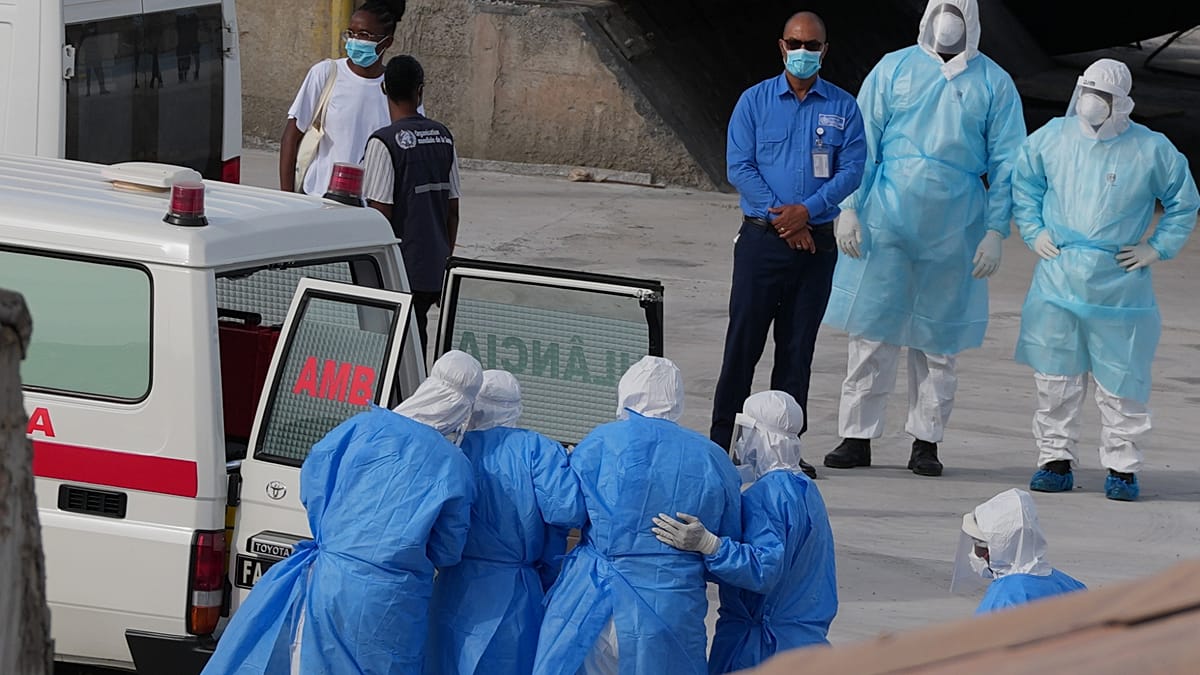
Preliminary mortality data from several Western European countries indicates that the record-breaking June heatwave resulted in more than 4,000 excess deaths, straining health systems and prompting urgent calls for improved preparedness. The figures, compiled from national health agencies, highlight the deadly impact of extreme temperatures that shattered historical records across the continent.
National Toll Varies, but Pattern Is Clear
In Belgium, officials reported a 39% rise in deaths during the heatwave period compared to the same timeframe in previous years, as detailed in a separate analysis. France experienced a nearly 30% increase in mortality, with the Paris region hit hardest, according to local health authorities. Spain, Portugal, and Italy also reported significant spikes, though comprehensive data from those countries is still being compiled.
The heatwave, which began in mid-June, saw temperatures exceeding 40°C in cities such as Madrid, Lisbon, and Bordeaux. In the United Kingdom, the Met Office issued its first-ever red warning for extreme heat, with London reaching 38°C. The elderly, those with pre-existing health conditions, and outdoor workers were disproportionately affected.
Health Systems Under Pressure
Hospitals across the affected regions reported a surge in admissions for heatstroke, dehydration, and cardiovascular complications. In Italy, emergency rooms in Milan and Rome saw a 25% increase in visits during the hottest week. Ambulance services in Germany and the Netherlands also reported higher call volumes.
“We are seeing the consequences of a warming climate in real time,” said Dr. Elena Marchetti, a public health researcher at the University of Bologna. “Our health systems were not designed for these extremes, and the toll is unacceptable.”
Policy Responses Accelerate
In response to the crisis, the European Commission has accelerated its work on a holistic cooling strategy, as outlined in a recent policy document. The strategy includes measures to increase green spaces in cities, improve building insulation, and expand early warning systems. Several member states have also announced new heat action plans.
France, which has had a heatwave alert system since the deadly 2003 summer, is reviewing its protocols after the June event. The government in Paris has pledged to install more public cooling stations and to provide better support for vulnerable populations. In Portugal, authorities mobilized over 1,000 firefighters to combat wildfires exacerbated by the heat, as reported in a separate dispatch.
Long-Term Adaptation Needed
Experts warn that without significant adaptation, the death toll from future heatwaves will continue to rise. “This is not a one-off event,” said Professor Klaus Schmidt of the Potsdam Institute for Climate Impact Research. “We are entering a new normal where heatwaves are more frequent and intense. Europe must invest in resilient infrastructure and public health measures now.”
The European Environment Agency has called for a continent-wide approach, noting that heatwaves do not respect national borders. The agency recommends that all 27 EU member states, plus the UK, Switzerland, Norway, and the Balkans, adopt standardized heat-health action plans. The city of Helsinki, which has achieved zero road deaths through a long-term safety blueprint, offers a model for systematic policy change, as explored in a recent feature.
As Europe braces for another potential heatwave in late July, the lessons from June are clear: preparation saves lives. The question is whether governments will act with the urgency the situation demands.