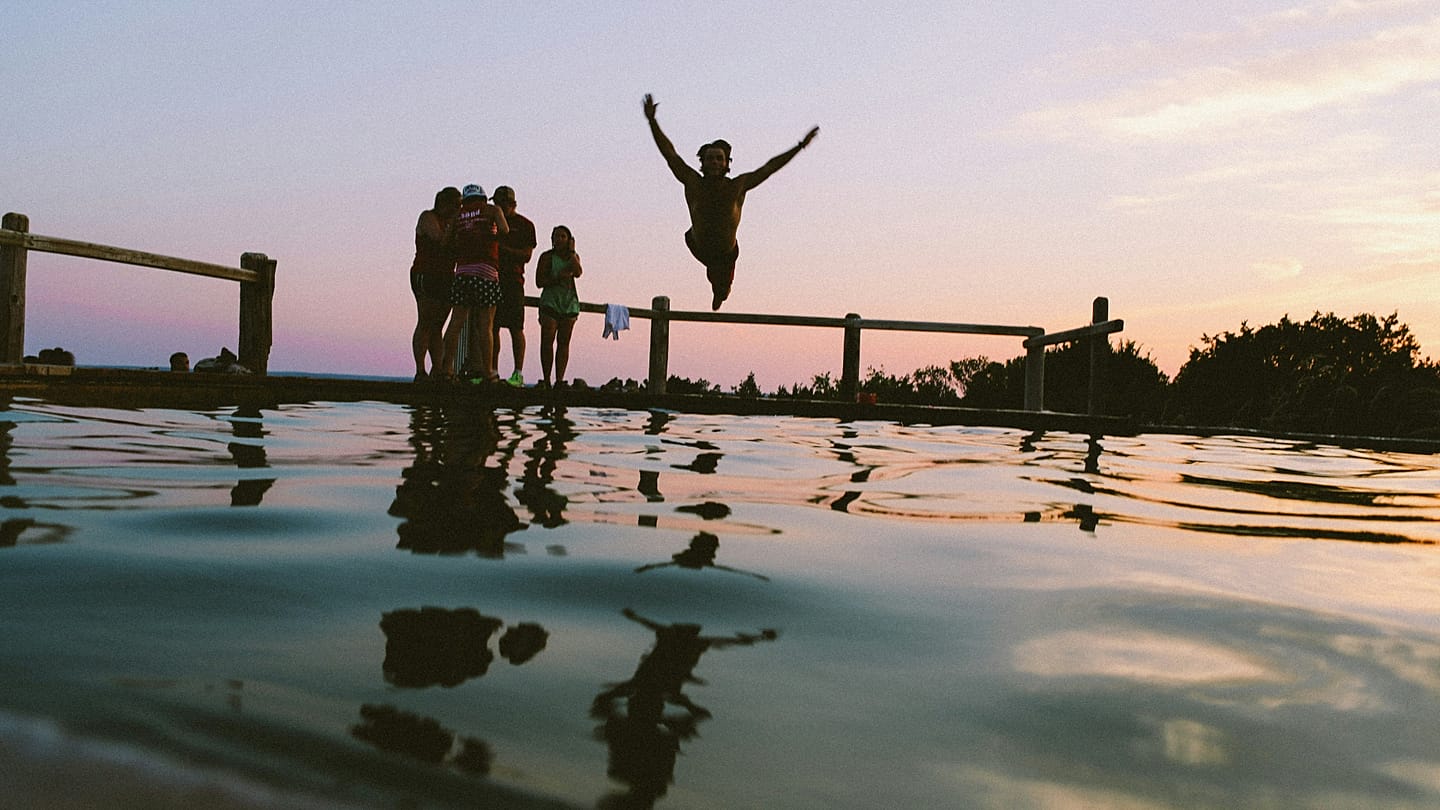
As summer temperatures rise across the continent, Europeans are increasingly seeking out natural swimming spots that combine scenic beauty with safety. A new report from the European Environment Agency (EEA) has ranked lakes across the EU and neighbouring countries based on their water quality, identifying those rated as “excellent” for swimming. The findings offer a reliable guide for anyone planning a dip from the Italian Alps to the Hungarian plains.
From the Dolomites to the Great Plain
Italy’s Lago di Braies, nestled in the Dolomites of South Tyrol, stands out for its crystal-clear waters and consistent top ratings. The lake, surrounded by pine forests and dramatic peaks, is a favourite for hikers and swimmers alike. Further east, Hungary’s Lake Balaton—Central Europe’s largest freshwater lake—also earns high marks, particularly along its northern shore where water quality is carefully monitored. The lake’s shallow, warm waters make it a popular family destination, and the report confirms that many of its public beaches meet the strictest EU standards.
Other notable entries include Austria’s Hallstätter See, a UNESCO World Heritage site in the Salzkammergut region, and Slovenia’s Lake Bled, known for its island church and medieval castle. Both lakes have maintained excellent water quality for years, thanks to robust environmental protections and limited motorised boating. In Germany, the Königssee in Bavaria—a deep, fjord-like lake in the Berchtesgaden Alps—also ranks highly, with its pristine waters drawing visitors from across Europe.
What the Rankings Mean
The EEA’s classification is based on samples taken during the bathing season, testing for bacteria such as E. coli and intestinal enterococci. Lakes rated “excellent” must meet the strictest thresholds for two consecutive years. The report covers over 22,000 bathing sites across Europe, including lakes, rivers, and coastal waters. While the overall quality of European bathing waters has improved steadily since the EU’s Bathing Water Directive was updated in 2006, the report notes that some lakes in the Balkans and Eastern Europe still lag behind due to agricultural runoff and inadequate wastewater treatment.
For travellers, the rankings provide a practical tool. The Five Central European Summer Destinations Beyond the Beach article highlights similar inland alternatives for those looking to avoid crowded coasts. Meanwhile, the trend toward European Summer Travel in 2026 shows that short breaks and “coolcations”—trips to cooler, mountainous regions—are gaining popularity, making these alpine lakes even more relevant.
Beyond the EU: Switzerland and the Balkans
Switzerland, though not an EU member, participates in the EEA’s monitoring programme. Its Lake Geneva (Lac Léman) and Lake Lucerne both receive excellent ratings, though the former’s busier harbours can see temporary dips after heavy rain. In the Balkans, Croatia’s Plitvice Lakes National Park—a series of turquoise lakes and waterfalls—is a UNESCO site where swimming is restricted to designated areas, but water quality remains superb. Similarly, Lake Ohrid, shared between North Macedonia and Albania, is one of Europe’s oldest and deepest lakes, with excellent water quality that supports a unique ecosystem.
The report also highlights lesser-known gems such as Poland’s Lake Morskie Oko in the Tatra Mountains and Finland’s Saimaa, the largest lake in the Nordic region. Finland, with its thousands of lakes, consistently ranks among the top countries for swimming water quality, thanks to low population density and strict environmental laws.
Practical Tips for Swimmers
Before heading out, the EEA advises checking local water quality updates, as heavy rainfall can temporarily affect bacteria levels. Many lakes now have real-time monitoring apps or signs at beaches. For those planning a longer trip, the Alpine Golf: Europe's Ski Resorts Reinvent Themselves for Summer Playcations article explores how mountain resorts are expanding their summer offerings, including lake access. And for a truly off-the-beaten-path option, the Kolsai Lakes in Kazakhstan offer a Central Asian alternative, though they fall outside the EEA’s scope.
Ultimately, the EEA’s rankings confirm that Europe’s lakes remain a safe and refreshing option for summer swimming, provided visitors choose monitored sites. Whether you prefer the dramatic backdrop of the Dolomites, the gentle waves of Lake Balaton, or the remote beauty of a Finnish lake, the continent offers a wealth of clean, accessible waters.