As the World Meteorological Organization forecasts another scorching summer, many Europeans will head to the beaches of Italy, Spain, or Greece. But for those seeking alternatives to crowded coastlines and urban heat islands, Central Europe offers a range of destinations that combine nature, culture, and family-friendly activities.
Nyíregyháza-Sóstó Zoo, Hungary
Located in an oak forest in eastern Hungary, Nyíregyháza-Sóstó Zoo has been voted Europe's best zoo three times. The forest canopy provides natural cooling, allowing visitors to explore exhibits from all continents without excessive heat. The zoo's lemur forest is a standout: during high season, ring-tailed lemurs roam freely among visitors, occasionally brushing against hands. “It is very important for us to be able to offer visitors as many experiences as possible,” says Zsuzsa Petró, the zoo's communication and education manager.
The Ice World exhibit houses polar bears and penguins in an air-conditioned building. The highlight is the Racing River, where visitors sit in log-shaped boats and drift past animals, including a 10-metre waterfall midway.
Novohrad-Nógrád Geopark, Hungary and Slovakia
This UNESCO Global Geopark, the world's first transboundary geopark, spans 30 Slovak and 64 Hungarian settlements. It offers long walks through forests without border checks, showcasing 30 million years of geological history, including volcanic formations and paleontological sites. The Hungarian village of Hollókő, a UNESCO World Heritage site since 1987, features traditional architecture and locals in folk costumes.
Lake Neusiedl, Austria
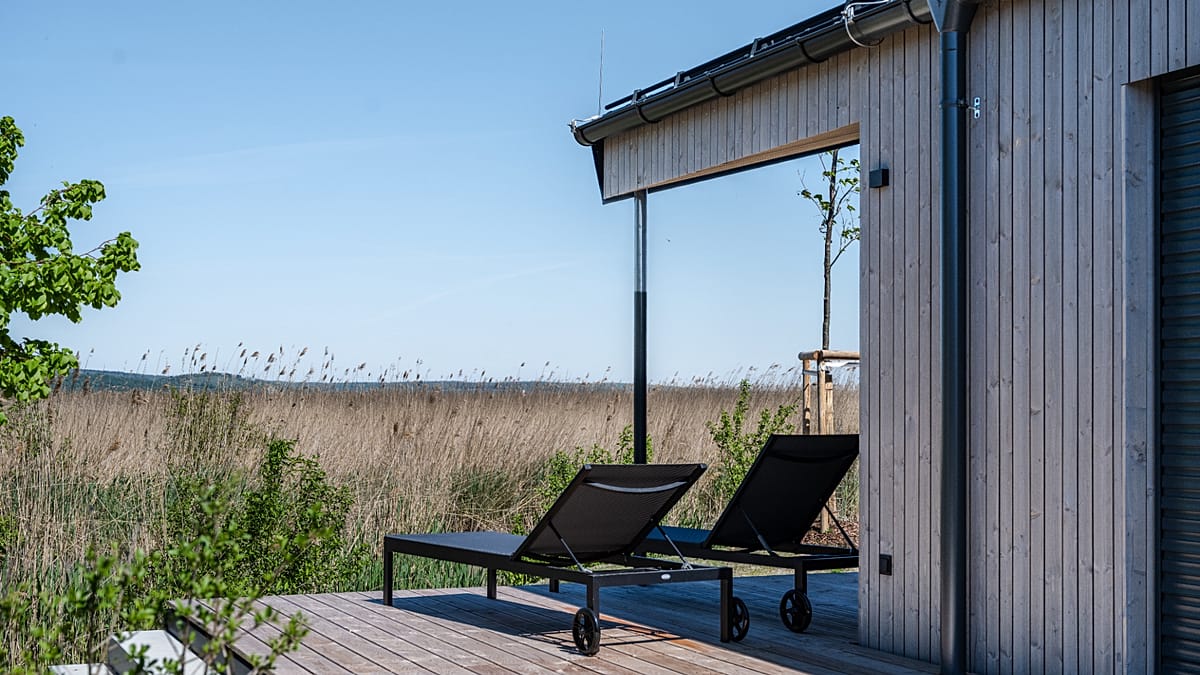
Europe's westernmost steppe lake provides a peaceful retreat amid UNESCO World Heritage sites. The town of Rust, Austria's smallest statutory city, is known for its wine and storks nesting on rooftops. The Roman quarry at St. Margarethen hosts opera performances; this year, Tosca is scheduled. In Breitenbrunn, the Neuer Strand beach was developed with UNESCO consultation, balancing tourism with nature conservation. The Family Park between Rust and St. Margarethen offers day-long activities for children.
Hévíz, Hungary
Near Lake Balaton, Hévíz is home to the world's largest biologically active natural thermal lake, covering 4.4 hectares and reaching 38 metres deep. Fed by mineral-rich springs with a flow of 410 litres per second, the water is completely replaced every three days. A 33.9-hectare forest shelters the lake from wind, while evaporating water purifies the air. The town is a short drive from Keszthely, the cultural hub of the Balaton region.
Rechnitz Bathing Lake, Austria
In the Geschriebenstein National Park of southern Burgenland, the five-hectare Rechnitz bathing lake is fed by springs from the Günser Mountains. Created between 1961 and 1964 by damming the Rohonci stream, the lake remains cool even in summer, with water temperatures not exceeding 22–23°C due to depths of five to seven metres. Surrounding forests offer mountain bike trails and hiking paths, making it ideal for an active, quiet holiday.
These destinations provide a refreshing alternative to the Mediterranean crowds, combining natural beauty, cultural heritage, and sustainable tourism. For more ideas on escaping the heat, see our guide to Europe's top 'coolcation' destinations.