Nestled in the northern Tian Shan mountains, Kolsai Lakes National Park has become one of Kazakhstan's most celebrated ecotourism destinations. Located roughly 300 kilometres southeast of Almaty, the park spans over 160,000 hectares of alpine terrain, offering visitors a rare glimpse into Central Asia's natural heritage.
Three Lakes, Three Elevations
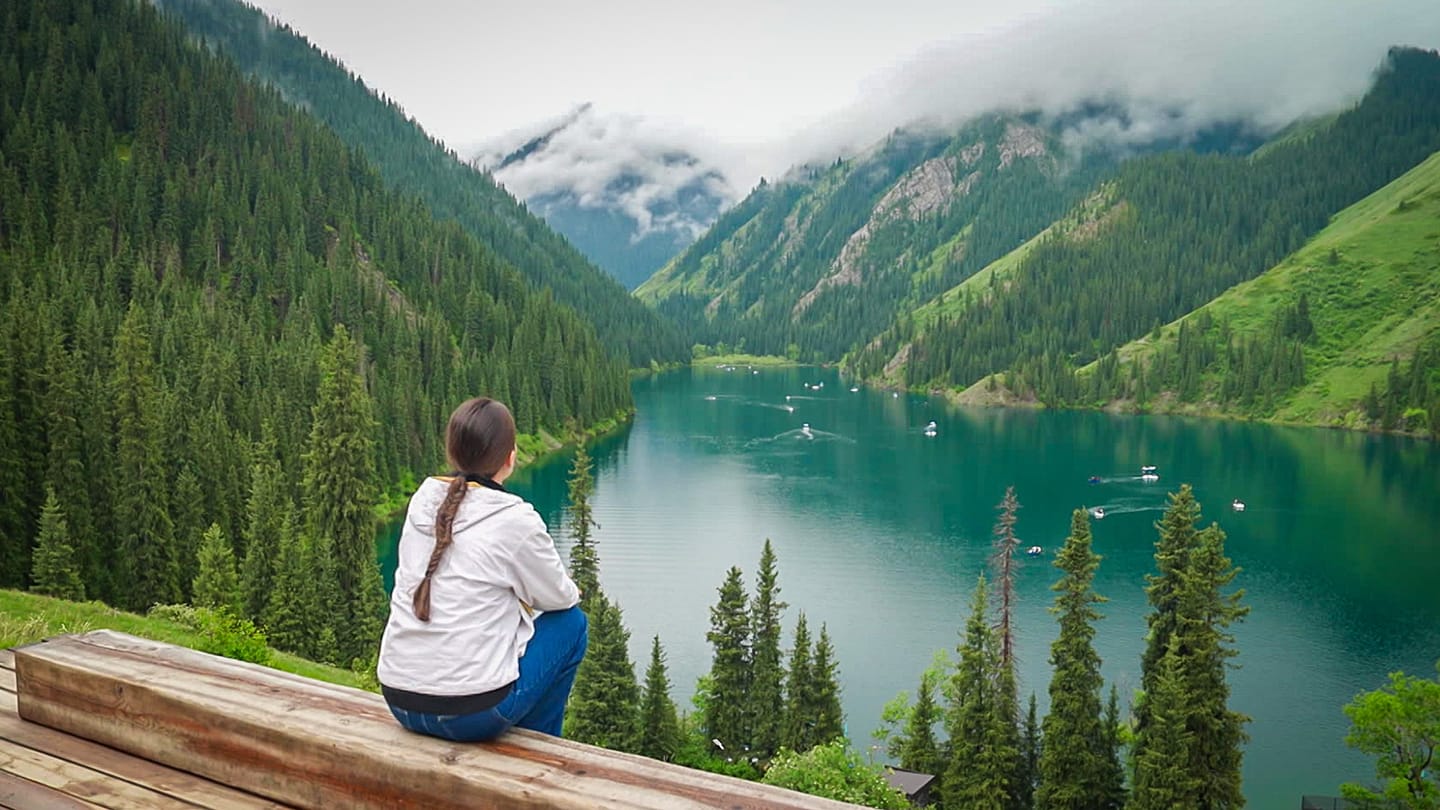
The park's centrepiece is a chain of three lakes, often called the 'Pearls of the Tian Shan'. The lowest, Kolsai Lake 1, sits at 1,818 metres above sea level and is the most accessible. Further up, Kolsai Lake 2 lies at 2,252 metres, and the highest, Kolsai Lake 3, reaches 2,850 metres. Each lake has a distinct character: the first is calm and turquoise, the second is deeper and surrounded by spruce forests, and the third is a high-altitude mirror reflecting the surrounding peaks.
Hiking between the lakes takes two to three days, with well-marked trails passing through meadows, coniferous forests, and rocky passes. The route is popular among trekkers from across Europe and beyond, drawn by the relatively untouched landscape. Local guides in the nearby village of Saty offer horseback excursions, allowing visitors to cover the distance more quickly while experiencing traditional Kazakh mountain culture.
Biodiversity and Conservation
The park is home to a wide range of wildlife, including the endangered snow leopard, the Tian Shan brown bear, and the ibex. Birdwatchers can spot golden eagles, bearded vultures, and Himalayan snowcocks. The park's ecosystems range from steppe and meadow to alpine tundra, supporting over 300 plant species, many of them endemic.
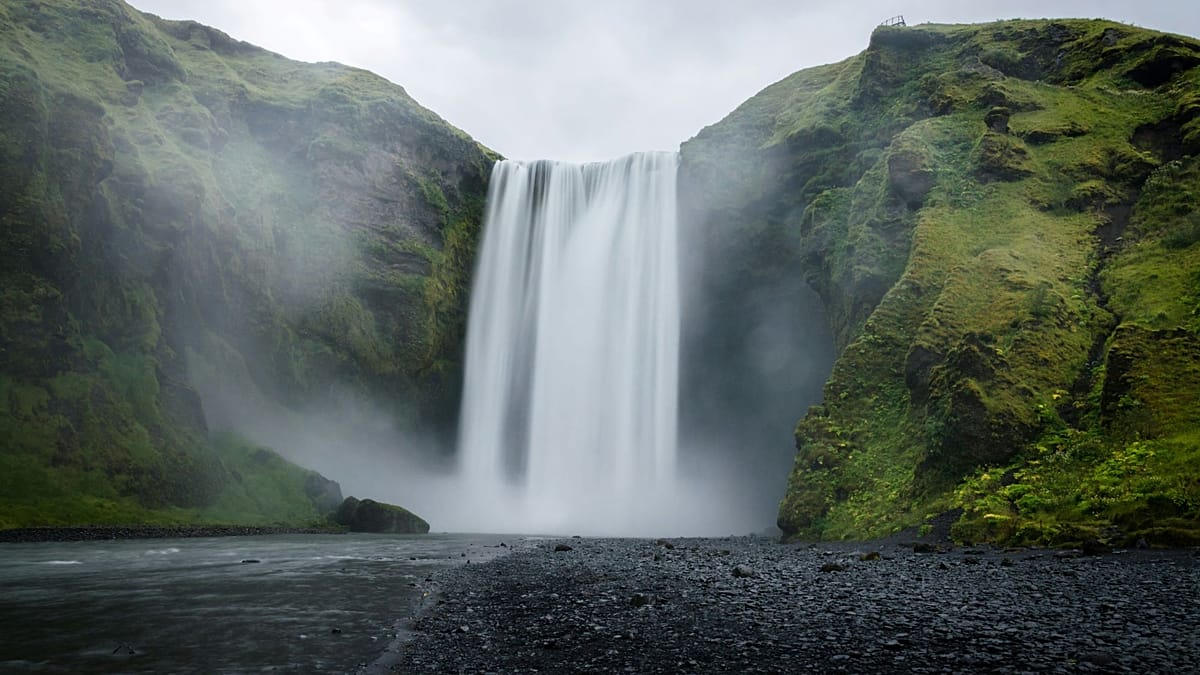
Conservation efforts have intensified in recent years, with the Kazakh government working alongside international organisations to protect the park's biodiversity. Visitor numbers have grown steadily, reaching around 50,000 annually before the pandemic. Park authorities have introduced measures to limit environmental impact, including designated camping zones and waste management systems. Similar challenges face protected areas across Europe, from the lesser-known natural wonders of Staffa and Iceland to the Alps, where balancing tourism and conservation remains a constant struggle.
Access and Practicalities
Most visitors reach the park from Almaty, either by private car or organised tour. The drive takes about four hours, following the Kegen highway through rolling hills and past the Charyn Canyon. Accommodation options range from basic guesthouses in Saty to tent camping near the lakes. The best time to visit is from June to September, when the weather is mild and the trails are free of snow.
For those seeking a less crowded experience, the park's northern and eastern sectors offer remote trails that see few visitors. Local ecotourism operators in Almaty, such as Visit Almaty and EcoTours Kazakhstan, provide guided trips that include transport, meals, and equipment. Prices are modest by European standards, with multi-day tours starting at around €200 per person.
Broader Context: Central Asia's Ecotourism Rise
Kazakhstan is part of a broader trend in Central Asia, where countries like Kyrgyzstan, Tajikistan, and Uzbekistan are investing in nature-based tourism. The region's vast, sparsely populated landscapes appeal to travellers seeking alternatives to Europe's crowded hotspots. For European visitors, the Tian Shan offers a combination of adventure and cultural immersion that is increasingly rare in the Alps or the Pyrenees.
The Kazakh government has designated ecotourism as a priority sector, aiming to attract one million foreign tourists annually by 2030. Infrastructure improvements, including new roads and visitor centres, are underway. However, the challenge remains to develop tourism without compromising the very environments that draw people there. As one local guide put it: 'We want people to see the beauty, but we also want them to leave nothing but footprints.'
For now, Kolsai Lakes National Park remains a place where the natural world still dominates. Its three lakes, each at a different altitude, offer a journey through the Tian Shan's ecological layers. For European travellers seeking a genuine wilderness experience, it is a destination worth the journey.