As overtourism strains iconic sites from Venice to the Matterhorn, a growing number of travellers are seeking out less crowded alternatives. New research from Icelandic outdoor brand Icewear, based on an analysis of 54,000 Google reviews across 75 global landmarks, has identified the natural wonders that consistently exceed visitor expectations — and the results highlight several European destinations that deserve a closer look.
The study measured the percentage of reviews containing positive words such as "relaxing", "amazing", and "beautiful" to determine which sites offer the most underrated experiences. While five European locations made the global top 30, only one cracked the top five: Staffa National Nature Reserve in Scotland.
Staffa: Europe's Most Underrated Natural Wonder
Off the west coast of Scotland, the uninhabited island of Staffa in the Inner Hebrides ranks fourth globally, with 62.8% of visitor reviews using strongly positive language. The island is best known for Fingal's Cave, a cathedral-like sea cave formed by striking hexagonal basalt columns that inspired Felix Mendelssohn's Hebrides Overture. Visitors reach Staffa by boat and can explore dramatic coastal cliffs, with summer months offering puffin and black guillemot sightings. The site's remote location and limited accessibility help preserve its unspoiled character, a contrast to more commercialised Scottish attractions. For context on how other Scottish islands are managing visitor pressure, see our report on Ulva closing to visitors on Sundays after a tourism surge.
Iceland Leads Europe with Two Entries
Iceland is the only European nation to appear more than once in the ranking. Stuðlagil Canyon, in East Iceland, ranks 24th globally with 35.2% positive reviews. Hidden for centuries beneath a glacial river, the canyon only emerged in 2009 after a hydroelectric project lowered the water level of the Jökulsá á Dal river. Today, visitors admire its towering basalt columns and, in the right season, the vivid turquoise glacial water flowing through the gorge.
Vatnajökull National Park, established in 2008 around Europe's largest glacier, ranks 29th with 28.2% positive reviews. This UNESCO World Heritage Site covers roughly 13% of Iceland, encompassing glacier lagoons, black sand plains, and the country's highest peak, Hvannadalshnúkur. The park's diversity — from ice caves to volcanic landscapes — makes it one of the island's most spectacular destinations. Iceland's success in this ranking reflects a broader trend: the country has long marketed itself as a destination for nature-focused travellers, but these lesser-known sites offer an alternative to crowded spots like the Blue Lagoon or Gullfoss.
Global Context: US Sites Dominate Top Spots
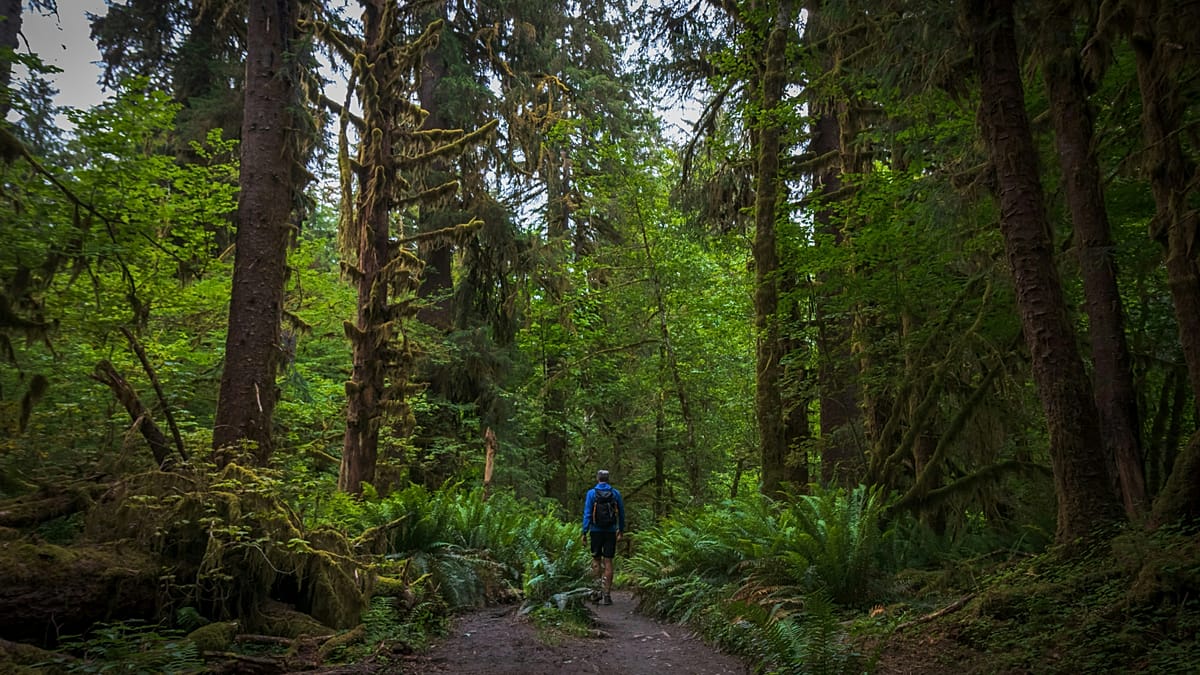
The global top five is dominated by US locations. The Hoh Rain Forest in Washington state tops the list with 69.6% positive reviews, followed by Crater Lake in Oregon (68.5%), the Mendenhall Glacier Visitor Centre in Alaska (67.2%), Staffa, and the Grand Prismatic Spring in Wyoming (61.9%). These sites share a common theme: they are often overshadowed by more famous neighbours within their respective national parks.
The study's methodology — focusing on the proportion of positive language rather than absolute review volume — inherently favours lesser-visited sites where visitors are more likely to be pleasantly surprised. This approach highlights destinations that deliver genuine satisfaction rather than those that simply attract crowds. As European travellers increasingly seek out sustainable alternatives to overtouristed hotspots, these underrated wonders offer a model for how to balance tourism with preservation. For more on how natural landscapes are gaining strategic importance, read about Europe's peatlands gaining a strategic role as natural defensive barriers.