Audi is making its most significant move yet into the American market. The Ingolstadt-based premium carmaker announced on Saturday that it will invest roughly $4bn in a new production facility in the state of Georgia — its first wholly owned plant in the United States.
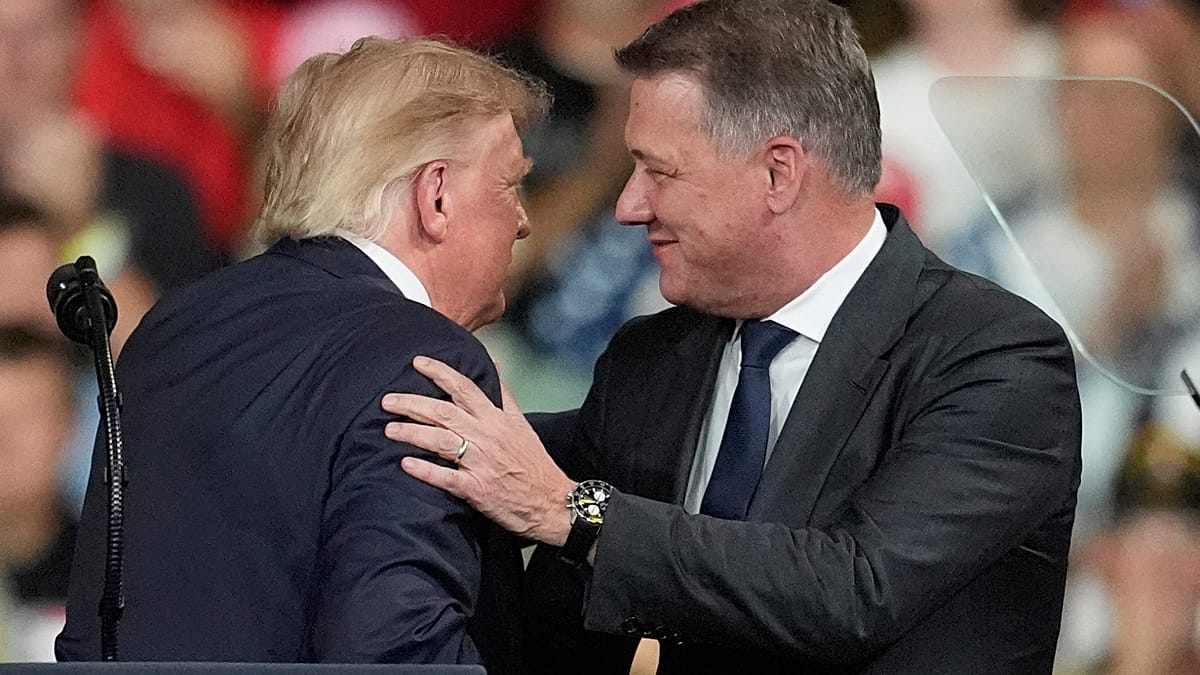
The news was unveiled at a campaign rally held by US President Donald Trump in Perry, Georgia, where Trump appeared alongside Audi CEO Gernot Döllner. Trump framed the investment as a direct result of his tariff-heavy trade policy, which he argues is pushing foreign manufacturers to shift production onto American soil. With midterm elections scheduled for 3 November, the timing is likely to give the president a welcome talking point on the campaign trail.
Döllner, for his part, stressed that the decision reflects Audi's long-term ambitions in the US, which he described as one of the world's most important premium car markets. "We have not yet fully tapped our potential there," he said, according to remarks made at the event.
Plant details and timeline
The facility will be built at the Middle Georgia Megasite in Peach County, near the city of Macon. State authorities highlighted Georgia's established supplier network, transport links, and available skilled workforce as key factors in the location choice. The site also offers room for future expansion.
Preparatory work is expected to begin in 2027, with series production ramping up in the early 2030s. The state government has cited 2031 as the target for full-scale output. The plant is designed to produce up to 200,000 vehicles annually and will employ around 4,500 people directly, with additional jobs expected at suppliers and logistics firms in the region.
The new line-up will focus on large, high-priced sport utility vehicles. According to Reuters, citing a US government official, the models planned include the Audi Q7, Q8, and Q9. Audi itself describes the vehicles as "particularly large and high-end SUVs" tailored to North American tastes.
Strategic shift for Audi
Until now, Audi has imported its US-bound vehicles from Europe or Mexico. Local production will reduce exposure to international supply chain disruptions and exchange-rate fluctuations, while bringing the company closer to its American customers. It also strengthens Audi's competitive position against rivals that already build in the US, the company said in an official statement.
Trump's additional tariffs on imported cars and parts have made imports more expensive, costing Audi an estimated €1.2bn last year, according to Reuters. While this clearly makes domestic production more attractive, Audi insists that tariffs were not the sole driver. The company points to its broader US growth strategy, market access, infrastructure, and the regional supplier base as equally important considerations.
Implications for Germany and Europe
The decision raises questions about the future of Volkswagen Group's German plants. While Audi stresses that Germany and Europe will remain its industrial backbone, the new investment shifts the geographical balance of future spending and increases North America's strategic weight.
IG Metall, the powerful German metalworkers' union, has broadly welcomed the push into the US market but is calling for binding commitments to protect jobs at home. The union also notes that the final decision still requires approval from Volkswagen's supervisory bodies.
For the wider European automotive sector, this move underscores a growing trend: as trade barriers rise and markets fragment, manufacturers are being forced to localise production in key regions. It is a development that echoes other recent shifts, such as Musk's Tesla-SpaceX merger plan, which is also tied to Trump's political timeline.
Georgia's automotive pedigree
Georgia is no stranger to car manufacturing. Kia has operated a plant in West Point since 2009, and Hyundai has built a multi-billion-dollar facility for electrified vehicles near Savannah. The state's deep-water ports in Savannah and Brunswick provide efficient links for both vehicle exports and component imports.
For Trump, the Audi investment is another piece of evidence for his narrative of a manufacturing renaissance. For Audi, it is a calculated bet on one of the world's most lucrative car markets — and a recognition that the era of easy cross-Atlantic trade may be over.