Good morning from Brussels. Here are the stories shaping Europe this Monday, August 10, 2026.
Spain on alert over possible Ceuta crossing
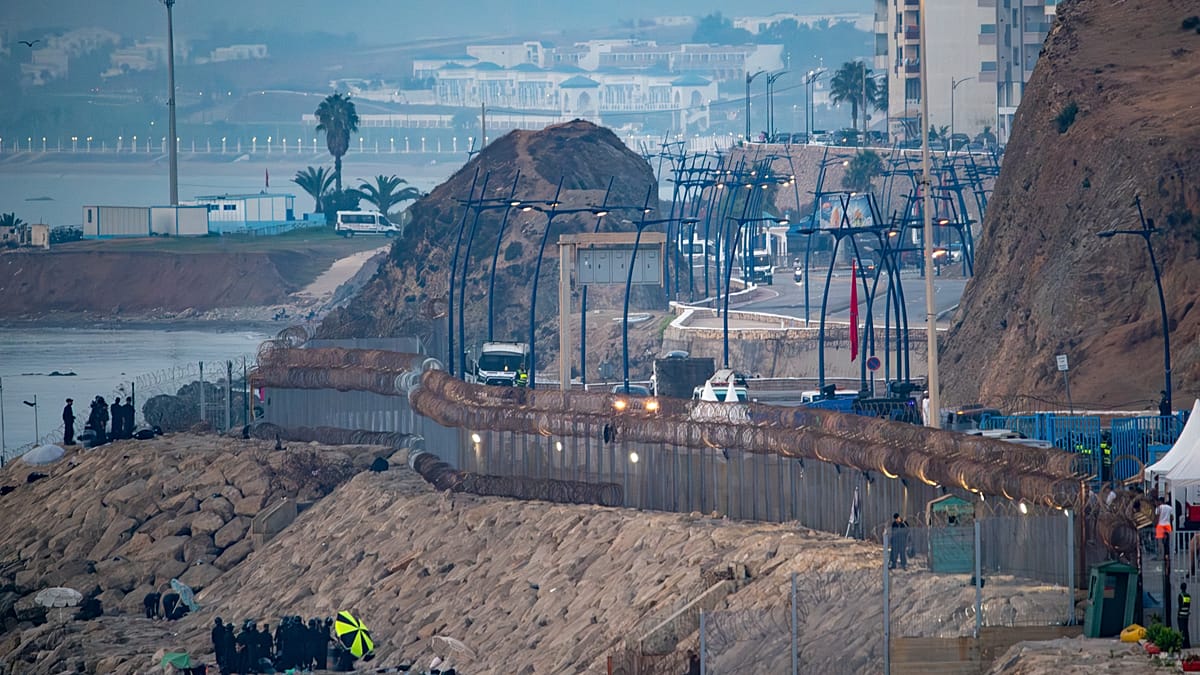
Spain's Civil Guard has issued a warning about a potential mass crossing attempt at the border of Ceuta, the Spanish enclave on Morocco's Mediterranean coast, expected on 15 August. According to internal security assessments, migrant smugglers may be organizing a coordinated push, similar to the large-scale incursions seen in previous years. Local authorities in Ceuta have already reinforced patrols and are coordinating with Moroccan security forces to prevent a breach. The warning comes amid heightened migration pressure across the western Mediterranean route, with arrivals to Spain up significantly this summer. For context, the Civil Guard's specific alert has been circulating among regional police units since the weekend.
France's cold-call ban takes effect
Starting tomorrow, August 11, France will enforce a sweeping ban on unsolicited cold calls to consumers. The measure, part of a broader consumer protection package, prohibits companies from calling individuals who have not explicitly consented to receive such calls. The ban covers all sectors, including energy, home improvement, and telecommunications, which have historically been the most frequent offenders. Violators face fines of up to €75,000 for individuals and €375,000 for companies. The French government hopes the move will reduce the estimated 1.5 billion nuisance calls made to French households each year. This is a significant step in the EU's ongoing efforts to strengthen digital consumer rights, following similar regulations in Germany and Belgium. For more on the specifics, see France's consumer crackdown.
Markets and business
European stock markets opened mixed this morning, with the DAX in Frankfurt slightly up, while the CAC 40 in Paris dipped after a weak session in Asia. Investors are eyeing the European Central Bank's next policy meeting, with expectations of a possible rate cut in September. Meanwhile, the euro is trading at $1.08, its lowest level in three weeks, as concerns over the German manufacturing sector persist. In corporate news, Airbus announced a new order from a Middle Eastern carrier, boosting its shares in early trading.
Weather and travel
Much of southern Europe is bracing for another day of extreme heat, with temperatures expected to exceed 40°C in parts of Spain, Italy, and Greece. Authorities in Rome have activated heat emergency plans, opening cooling centers and advising residents to stay indoors during peak hours. In contrast, the UK and Ireland are experiencing unseasonably cool and wet weather, with heavy rain causing localized flooding in parts of Scotland. Travelers are advised to check for disruptions, particularly on rail services in the north of England.
Culture and technology
In Madrid, the Prado Museum has unveiled a striking new video installation that uses artificial intelligence to reimagine its masterpieces under the eerie light of a solar eclipse. The project, which runs through September, has drawn large crowds and sparked debate about the role of AI in art. The Prado's AI video is a must-see for visitors to the Spanish capital this summer.
Looking ahead
Later today, EU foreign ministers will meet in Brussels to discuss the situation in the Sahel and the bloc's response to recent coups in the region. On the economic front, the European Commission is expected to release its summer growth forecasts, which will likely be revised downward due to the energy crisis and slowing global demand. We'll bring you full coverage of these developments as they unfold.
For a deeper dive into yesterday's key stories, check our morning briefing from August 9 and the midday update from August 8.